Photovoltaic Technology: Efficient Solar Energy Conversion Explained

Get a Free Quote

Our representative will contact you soon.
Email
Mobile/WhatsApp
Name
Company Name
Message
0/1000
Bifacial Photovoltaic Panels: Harnessing Dual-Sided Solar Energy

Bifacial Photovoltaic Panels: Harnessing Dual-Sided Solar Energy

Discover the transformative potential of bifacial photovoltaic panels from Ruihan New Energy. As a leading provider since 2018, we specialize in innovative solar solutions, offering advanced solar panels designed to maximize energy capture from both sides. Our bifacial panels are engineered to enhance efficiency and sustainability, making them the ideal choice for diverse energy needs across international markets.
Get A Quote

Advantages of the product

Renewable and Clean Energy Solution

As a technology based on solar energy, photovoltaic systems offer a renewable and clean energy source. Solar energy is abundant and sustainable, never running out. Photovoltaic power generation produces no greenhouse gas emissions, air pollutants, or waste during operation. By adopting photovoltaic technology, individuals, businesses, and communities can significantly reduce their carbon footprint and contribute to a greener, more sustainable environment, helping to combat climate change.

Decentralized Power Generation

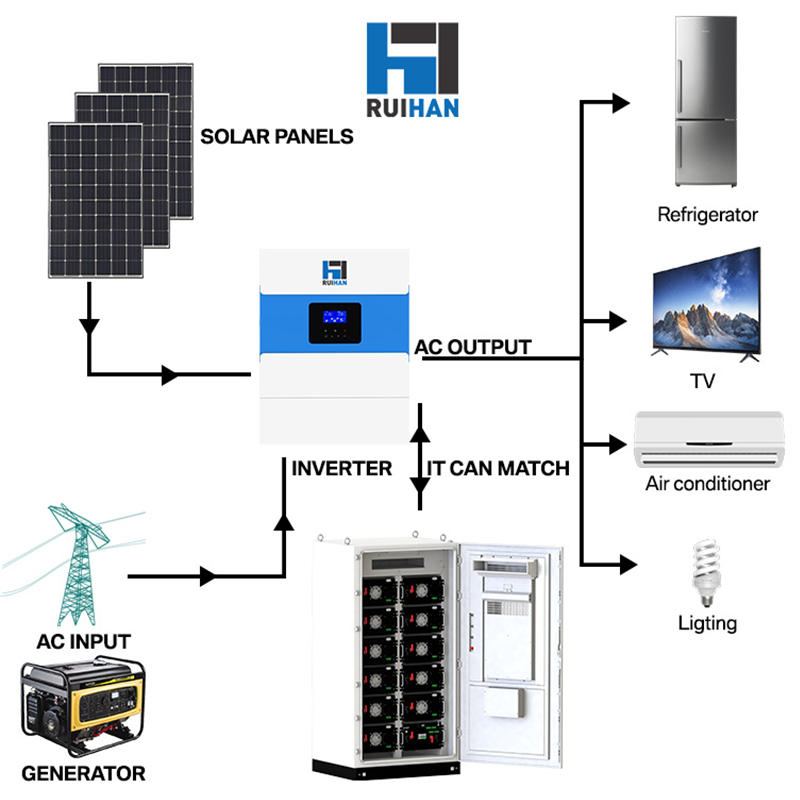
Photovoltaic systems support decentralized power generation. They can be installed on rooftops of residential and commercial buildings, in small - scale off - grid setups, or in large - scale solar farms. This decentralization reduces reliance on centralized power grids, enhances energy resilience, and provides more control over energy production. It also allows for power generation closer to the point of use, minimizing transmission losses and improving overall energy efficiency.

Related products

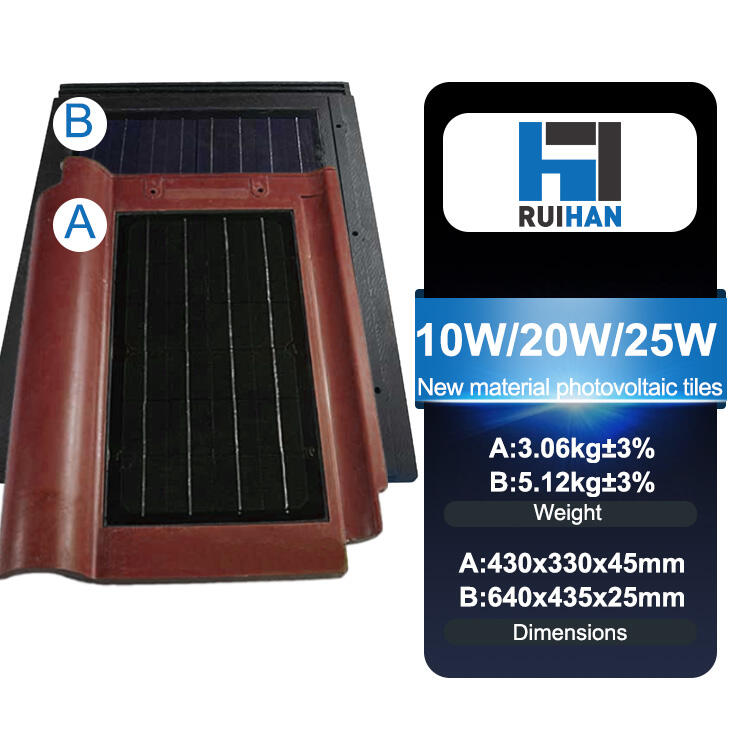
Bifacial photovoltaic panels are engineered to harness solar energy from both the front and rear surfaces, enhancing energy production. These panels utilize transparent backsheets or glass - to - glass (g-s-g) constructions, which capture light bouncing off the ground or refl ective surfaces for conversion to electricity. Depending on the installation conditions, bifacial panels can surpass traditional single - sided panels by 10 - 30% in power generation. They are ideal for a range of applications including solar farms with ground mirrors mounted on the turf, as well as rooftops surrounded by bright areas, thereby providing a more economical and efficient solar energy option.

Common problem

How does photovoltaic technology benefit the environment?

Photovoltaic technology uses renewable solar energy, producing no emissions during electricity generation. It helps reduce carbon footprints and dependence on fossil fuels, protecting the environment.
While initial investment in photovoltaic systems is high, long-term savings from free solar energy and decreasing technology costs make it cost-effective over time, especially with government incentives.
Photovoltaic systems rely on sunlight, so they don't generate electricity at night. However, with battery storage, excess daytime energy can be saved for use during nighttime.

Related article

The Role of Energy Storage in Maximizing Solar Power Efficiency

16

Jun

The Role of Energy Storage in Maximizing Solar Power Efficiency

Why Energy Storage is Crucial for Solar Power Systems Bridging the Gap Between Supply and Demand The solar systems depends naturally on the weather, so that resulting electricity generation amounts are also uncertain and changeable. This intermi...
View More
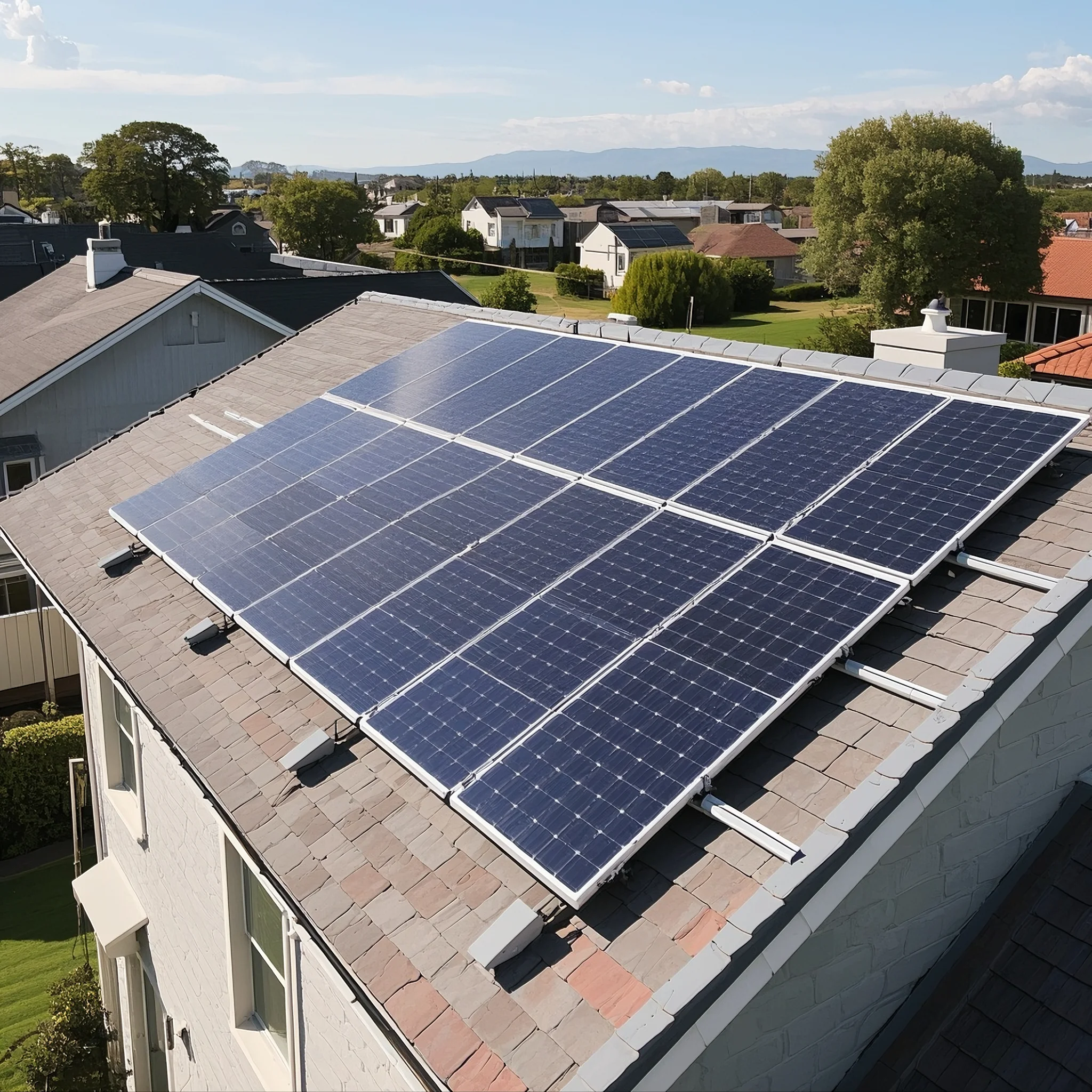
Transforming Your Roof into a Solar Power Station

07

May

Transforming Your Roof into a Solar Power Station

Assessing Your Roof's Solar PotentialEvaluating Roof Orientation and Sun ExposureThe orientation of your roof and the way it affects the capture of the sun’s energy is something key that you should understand. 2- South-facing roofs get the...
View More
The Advantages of Using Photovoltaic Technology in Your Home

17

Jun

The Advantages of Using Photovoltaic Technology in Your Home

Environmental Benefits of Photovoltaic Technology Reducing Carbon Footprint with Solar Power Systems Solar tech helps cut down on greenhouse gases because it provides clean, renewable power instead of dirty alternatives. The EPA estimates that your...
View More
Why Solar Inverters Are Essential for Your Energy System

07

May

Why Solar Inverters Are Essential for Your Energy System

The Critical Role of Solar Inverters in Modern Energy Systems DC to AC Conversion Explained Solar inverters play a key role in changing the direct current (DC) electricity produced by solar panels into alternating current (AC), which most homes need...
View More

Customer Reviews

Liam

I'm very satisfied with the photovoltaic components in my solar setup. They're efficient, durable, and have made a big difference in my energy consumption. Ruihan's expertise shines through.

Emma

The photovoltaic technology offered by Ruihan is outstanding. It's a smart choice for anyone looking to harness solar energy effectively. I'm happy with the performance and reliability of their products.

Get a Free Quote

Our representative will contact you soon.
Email
Mobile/WhatsApp
Name
Company Name
Message
0/1000
Versatile Application Scenarios

Versatile Application Scenarios

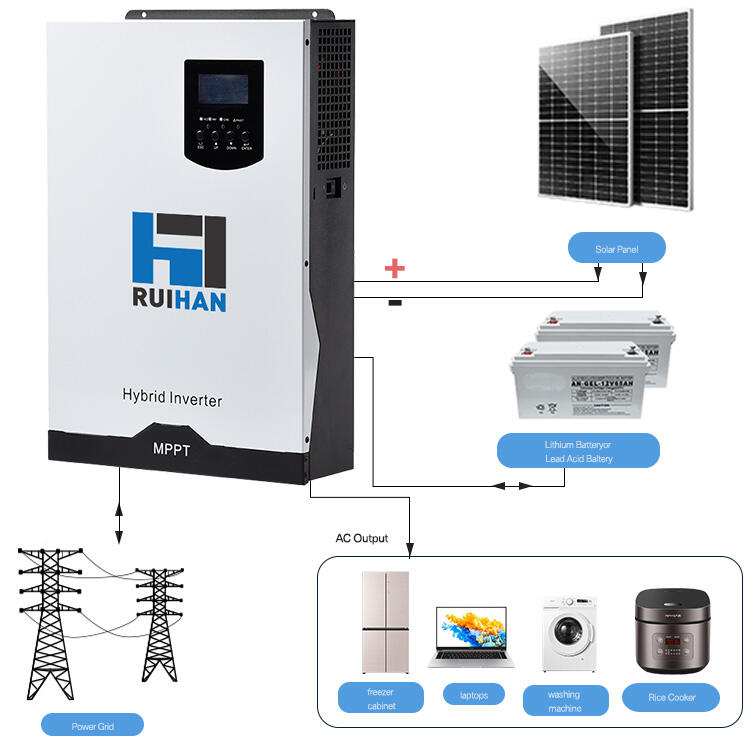
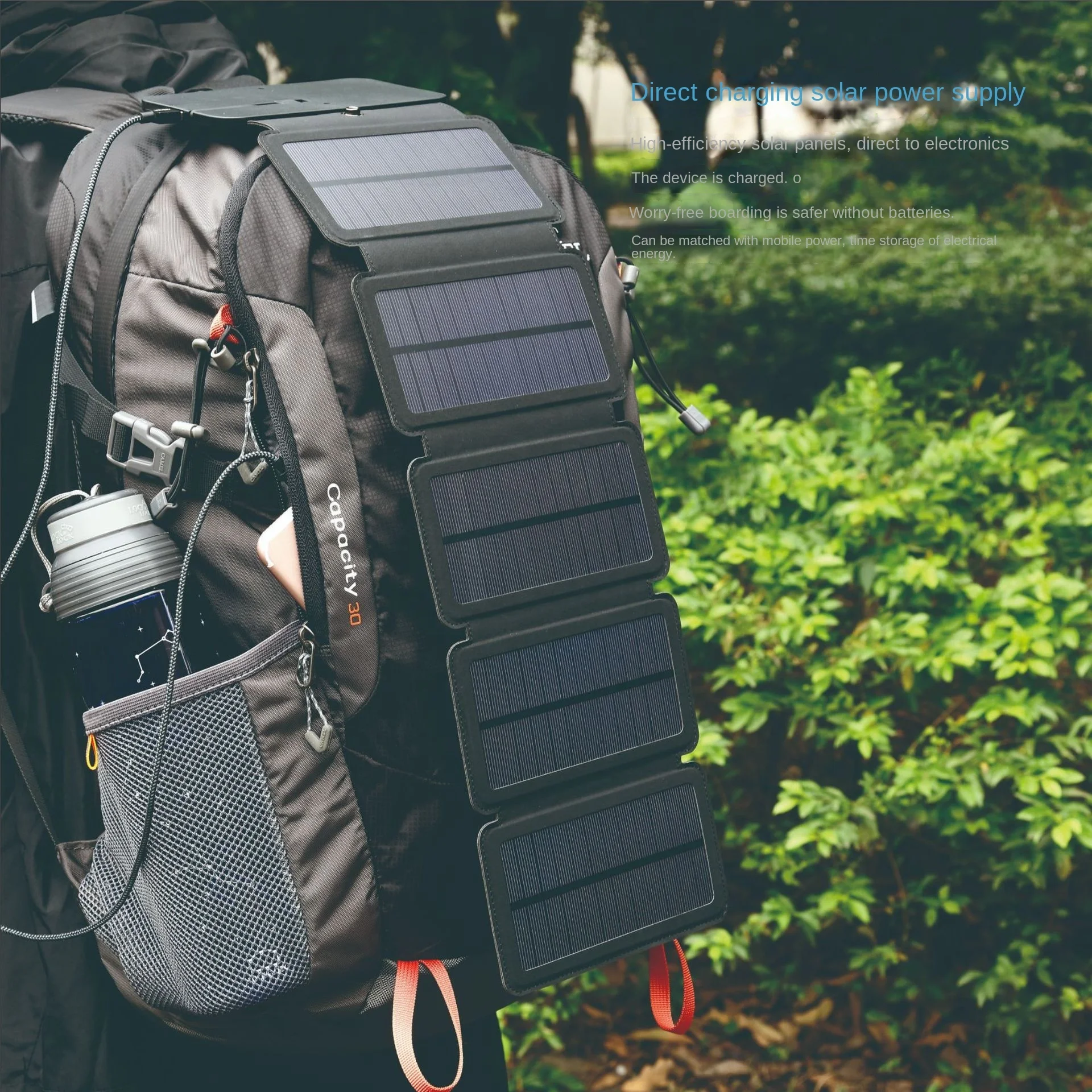
Photovoltaic technology has a wide range of application scenarios. It can power small electronic devices like calculators, smartphones, and solar chargers. In residential settings, it can meet household electricity needs, including lighting, heating, and appliance operation. In commercial and industrial sectors, photovoltaic systems can be used for large - scale power generation, reducing operational costs. It can also be applied in remote areas without access to the grid, providing electricity for basic living and economic activities.
Maximized Energy Output

Maximized Energy Output

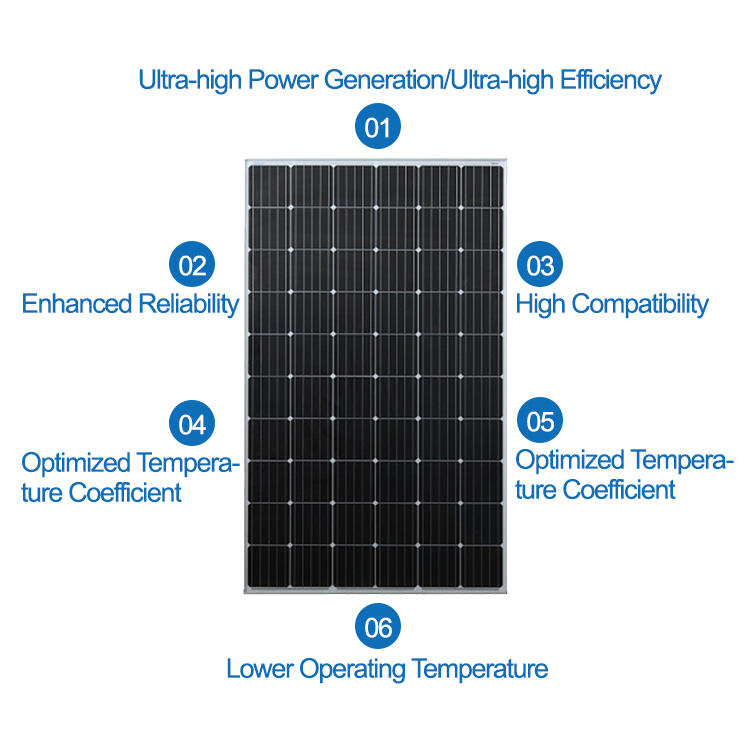
Our bifacial photovoltaic panels capture sunlight from both sides, significantly increasing energy output compared to traditional panels. This dual-sided technology allows for enhanced performance, especially in reflective environments, ensuring that you get the most out of your solar investment, even in less-than-ideal weather conditions.