 ×
×
As clean energy adoption grows, choosing the right battery storage depends on your needs. Below is a simplified breakdown of how grid-scale, commercial, and residential systems differ—critical for efficiency, compliance, and ROI.
1. Grid-Scale Storage (Utility-Scale): Powering the Entire Grid
The largest, most impactful category, designed to support regional/national electrical grids.
Scale: Starts at 10+ megawatt-hours (MWh) — enough for 10,000+ homes daily.
Tech: Uses lithium-ion arrays, pumped hydro, or compressed air storage.
Use: Stabilizes grid frequency, manages peak demand, and stores excess renewable energy (solar/wind).
Regs: Needs strict approvals (grid agreements, environmental checks) due to grid impact.
2. Commercial Storage: Optimizing Business Energy
Tailored for businesses, factories, and mid-sized operations—between residential and grid-scale.
Scale: 10 kilowatt-hours (kWh) (small offices) to 10 MWh (large data centers).
Tech: Compact lithium-ion batteries with business-focused controls.
Use: Cuts costs via off-peak charging/peak discharging, reduces demand fees, provides backup power, and supports on-site solar.
Regs: Requires commercial permits and zoning compliance (not for residential areas).
3. Residential Storage: Home Energy Independence
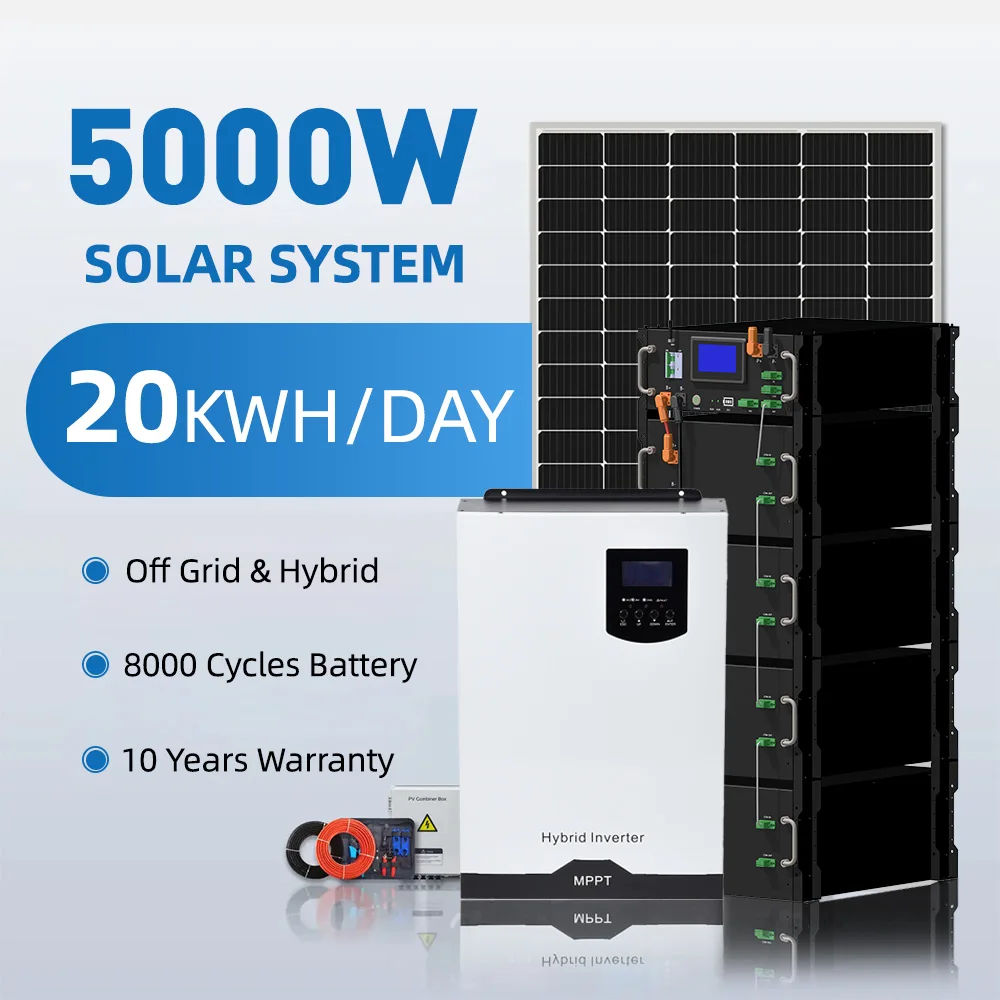
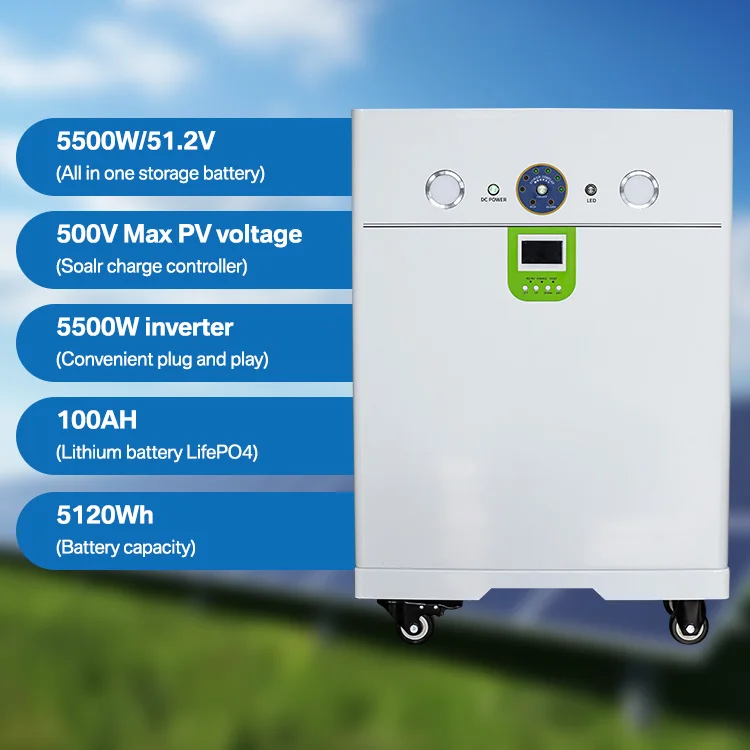
Compact systems for individual homes, often paired with rooftop solar.
Scale: 5–30 kWh — powers essentials (fridges, lights) for 1–3 days.
Tech: User-friendly lithium-ion units (e.g., Tesla Powerwall) for easy wall/floor installation.
Use: Maximizes solar self-use (stores day energy for night), provides outage backup, and lowers electricity bills.
Regs: Needs residential electrical permits and utility grid approval.
Key Distinction: Behind-the-Meter vs. Front-of-the-Meter
Front-of-the-Meter (FTM): Grid-scale systems connect directly to the grid, benefiting all utility customers by stabilizing energy supply.
Behind-the-Meter (BTM): Commercial/residential systems sit on the customer’s side of the utility meter—prioritizing their energy needs (cost savings, backup) and reducing grid reliance.
How to Choose?
Utilities: Grid-scale is a must for renewable integration and grid stability.
Businesses: Commercial storage works if you face high demand charges or need backup power.
Homeowners: Residential storage fits if you have solar, want outage protection, or want lower bills.
Ready to Find Your Solution?
Our experts can assess your needs and design a compliant system.
 Hot News
2026-02-04
2026-02-03
2026-01-28
2026-01-27
2026-01-23
2026-01-22
Guangdong Ruihan Electronics Technology Co., Ltd. offers premium solar inverters, panels, and energy storage systems. Our advanced technology and automated production ensure superior performance and durability. Trusted by partners worldwide. Request a quote today.
Room 1603, Building 1, Tian'an Headquarters Center, No. 555 Panyu Avenue North, Donghuan Street,Guangzhou,Guangdong
Copyright © 2025 by Guangdong Ruihan Electronics Technology Co., Ltd. Privacy Policy

 EN
EN