 ×
×

जिंगल बेल्स~ क्रिसमस की घंटियाँ बज उठी हैं! रुइहान एनर्जी सभी ग्राहकों को शुभकामनाएँ: एक प्रसन्नतापूर्ण क्रिसमस, शीतकाल में लगातार गर्मजोशी और जीवन में चमकते तारों और मिठास से भरा हो ✨ इस दिन को मसालेदार वाइन की सुगंध, क्रिसमस ट्री की नरम चमक और आसपास के लोगों की कोमल साथ-साथगति से भरा हो ~
अधिक पढ़ें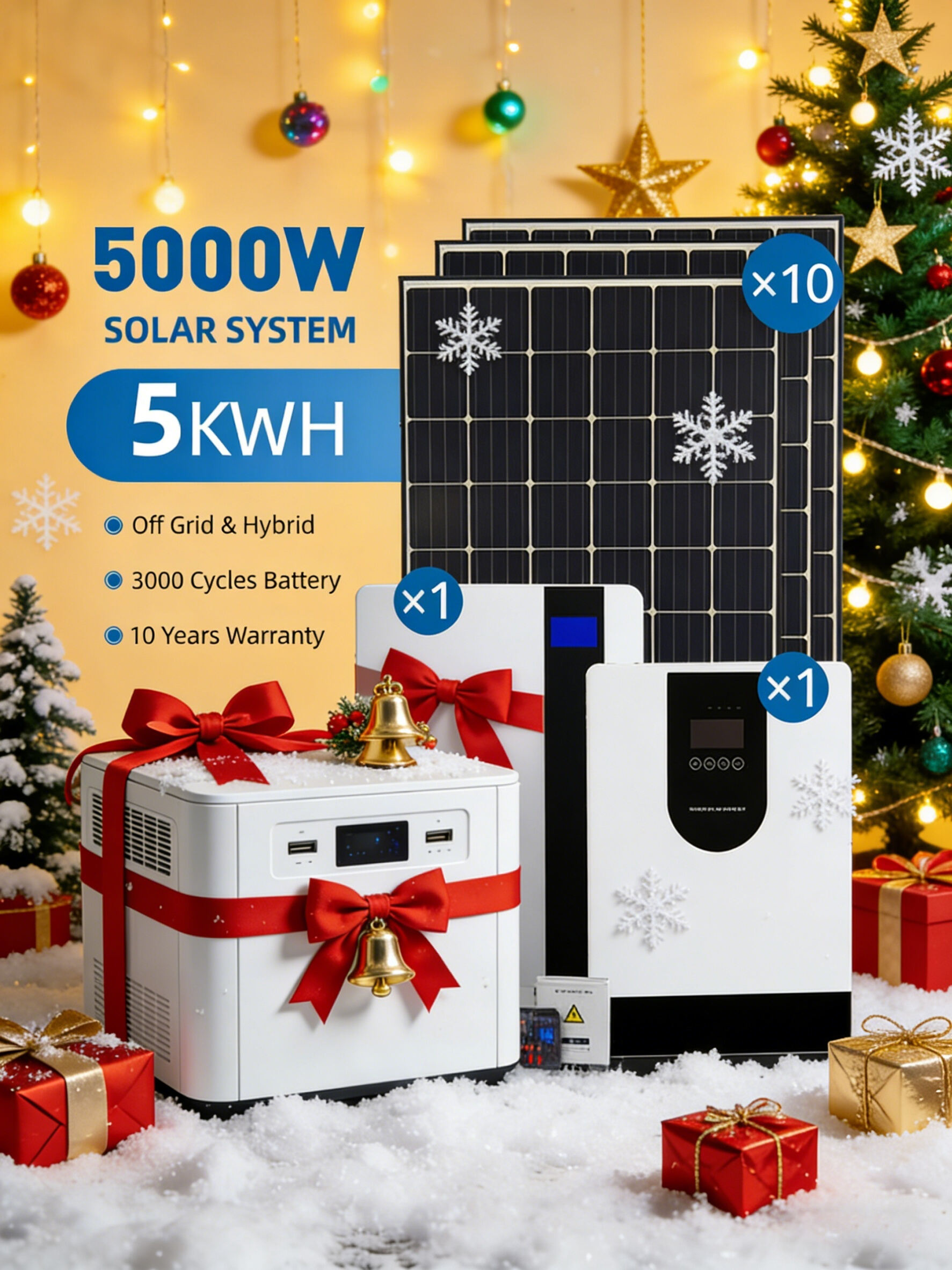
आज रात, क्रिसमस की पूर्व संध्या पर, रुइहान दुनिया भर के अपने ग्राहकों को "हरित ऊर्जा" के उपहार के साथ छुट्टी की शुभकामनाएँ भेजता है—जो आपके शीतकालीन जीवन और उत्पादन को लगातार ऊर्जा प्रदान करने के लिए एक सीमित संस्करण क्रिसमस पैकेज वाली 5000W सौर प्रणाली लॉन्च करता है। प्रणाली की प्रमुख विशेषताएँ: 5000W शक्ति + 5KWH क्षमता, ऑफ-ग्रिड और ग्रिड-कनेक्टेड दोनों मोड का समर्थन करता है, घर और छोटे स्थलों की बिजली आवश्यकताओं के सभी परिदृश्यों के लिए उपयुक्त। बैटरी चक्र जीवन 3000 चक्र तक, 10 वर्ष की वारंटी के साथ, जो दीर्घकालिक स्थिर ऊर्जा आपूर्ति सुनिश्चित करती है। क्रिसमस थीम वाला पैकेजिंग डिज़ाइन, "गर्म बिजली आपूर्ति" के ब्रांड की गर्मजोशी को त्योहारी माहौल के साथ प्रस्तुत करता है। रुइहान आपके लिए एक आरामदायक और आनंदमय क्रिसमस की पूर्व संध्या की कामना करता है, और आशा करता है कि यह "प्रकाश का उपहार" आपके साथ हर उज्ज्वल और विश्वसनीय क्षण में रहे।
अधिक पढ़ें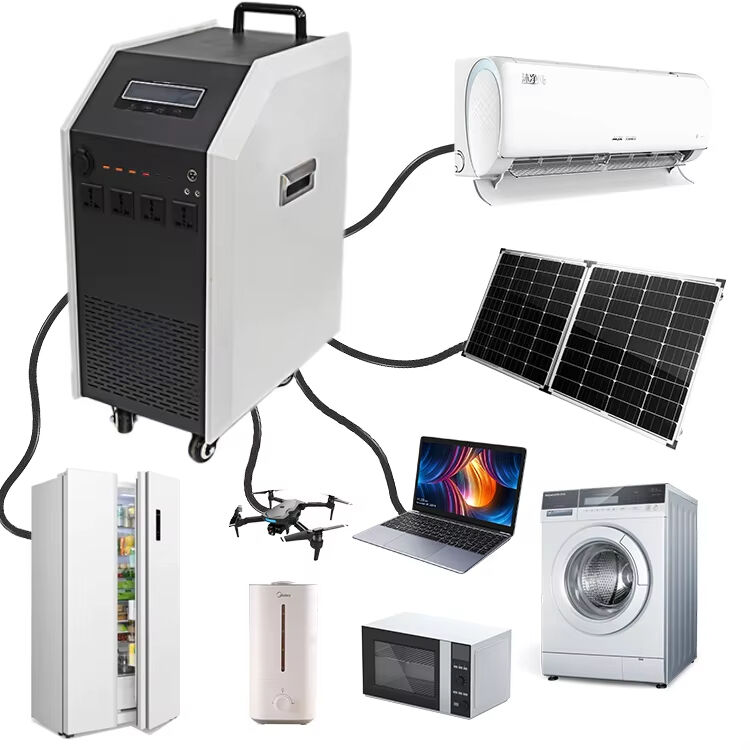
परिचय: कल्पना कीजिए कि एक कैम्पिंग यात्रा के दौरान आपके आरवी (RV) का एयर कंडीशनर केवल आधे घंटे के उपयोग के बाद बंद हो जाए, जिससे आपके भोजन बनाने की प्रक्रिया में बाधा आए; या एक खुले स्थान पर निर्माण साइट पर एक पावर ड्रिल अचानक रुक जाए, जिससे परियोजना में देरी और संभावित जुर्माना हो; या पहाड़ी क्षेत्र में आपातकालीन राहत स्थल पर बिजली की कमी के कारण चिकित्सा उपकरण सामान्य रूप से काम न कर पाएं – खुले स्थानों और आपात स्थितियों में बिजली आपूर्ति की चुनौतियों को तत्काल समाधान की आवश्यकता है! अब एक नया 5000W पोर्टेबल पावर स्टेशन उपलब्ध है, जिसमें 5325Wh की बड़ी क्षमता वाली लिथियम आयरन फॉस्फेट बैटरी और टिकाऊ सभी-धातु केसिंग है, जो 220V शुद्ध साइन वेव आउटपुट प्रदान करता है और आरवी, निर्माण स्थल, आपात स्थिति, कैम्पिंग और अन्य परिस्थितियों में बिजली आपूर्ति की समस्याओं को आसानी से दूर करता है! प्रमुख विशेषताएँ, सीधे बिजली की आवश्यकताओं को पूरा करते हुए: ✅ 5000W उच्च आउटपुट + 10000W शिखर शक्ति, भारी भार को आसानी से संभालता है: एक शुद्ध साइन वेव इन्वर्टर से लैस, आउटपुट तरंग रूप बिजली ग्रिड के समान है, और स्थिर 220V वोल्टेज विभिन्न उच्च-शक्ति उपकरणों को सुरक्षित रूप से बिजली प्रदान कर सकता है – यह न केवल 2000W ड्रिल, 3000W वेल्डिंग मशीन और 1500W आरवी एयर कंडीशनर जैसे औद्योगिक और खुले स्थान के उपकरणों को बिजली प्रदान कर सकता है, बल्कि बाहरी प्रोजेक्टर, इलेक्ट्रिक ओवन और कॉफी मेकर जैसे घरेलू उपकरणों को भी एक साथ बिजली प्रदान कर सकता है। 10000W शिखर शक्ति डिज़ाइन मोटर से चलने वाले उपकरणों के आरंभ होने के समय आने वाली तात्कालिक उच्च धारा को आसानी से संभालता है, जिससे अपर्याप्त बिजली के कारण उपकरण के बंद होने या क्षति होने से बचा जा सकता है। ✅ 5325Wh बड़ी क्षमता + लंबी आयु, चिंता मुक्त और लागत प्रभावी: ऑटोमोटिव-ग्रेड लिथियम आयरन फॉस्फेट बैटरी का उपयोग करते हुए, 5325Wh नाममात्र क्षमता का परीक्षण किया गया है – आरवी यात्राओं के दौरान, यह एयर कंडीशनर, रेफ्रिजरेटर और प्रकाश व्यवस्था को लगातार 3 दिनों तक संचालित रख सकता है; खुले स्थान पर निर्माण साइटों पर, यह ड्रिल, कटिंग मशीन और अन्य उपकरणों को लगातार 8 घंटे तक संचालित रख सकता है; घर में बिजली आउटेज के दौरान, यह डबल-डोर रेफ्रिजरेटर, हीटिंग उपकरण और चिकित्सा उपकरण जैसे आवश्यक उपकरणों के 5 दिनों से अधिक संचालन की गारंटी दे सकता है। 80% डिस्चार्ज गहराई (DOD) पर 3000 से अधिक चक्र जीवन के साथ, यह प्रति महीने 10 उपयोग के आधार पर 25 वर्षों तक विश्वसनीय रूप से उपयोग किया जा सकता है, जो सामान्य लेड-एसिड बैटरी ऊर्जा भंडारण उपकरणों की तुलना में काफी बेहतर है। ✅ टिकाऊ सभी-धातु केसिंग + उपयोगकर्ता-अनुकूल पोर्टेबिलिटी, खुले स्थानों के लिए अत्यधिक व्यावहारिक: बॉडी 1.2 मिमी कोल्ड-रोल्ड स्टील प्लेट से बनी है, समग्र रूप से ढाली गई है और स्क्रैच और जंग रोधी कोटिंग्स से संसाधित की गई है। यह 1.5 मीटर की ऊंचाई से गिरने का विरोध कर सकती है बिना केसिंग में विकृति या आंतरिक घटकों को नुकसान पहुंचाए, जिससे खुले स्थानों पर निर्माण या कैम्पिंग के दौरान झटकों और धक्कों का सामना करने में सक्षम होता है। गतिशीलता की आवश्यकता के लिए, इसमें 100 किग्रा की भार क्षमता वाला विशेष रूप से डिज़ाइन किया गया मोटा टेलीस्कोपिक खींच रॉड और निश्चल सार्वभौमिक पहिए (360° घूर्णन बिना अटके) हैं। 48 किग्रा के शुद्ध वजन के साथ, एक वयस्क पुरुष इसे एक हाथ से आसानी से खींच सकता है, जिससे इसे कार के ट्रंक से कैम्पसाइट या निर्माण स्थल तक ले जाना आसान हो जाता है। ✅ तीन-मोड त्वरित चार्जिंग + कई इंटरफेस, सभी परिदृश्यों के लिए बिजली आपूर्ति: सौर, मुख्य बिजली और कार चार्जिंग के तीन चार्जिंग मोड का समर्थन करता है। मुख्य त्वरित चार्जिंग मोड में, इसमें 16A उच्च-धारा चार्जिंग मॉड्यूल है, जो बैटरी को केवल 2.5 घंटे में 100% तक चार्ज कर देता है; जब खुले स्थानों पर मुख्य बिजली उपलब्ध नहीं होती है, तो दो 400W सौर पैनलों को जोड़कर इसे 6-8 घंटे में पूरी तरह चार्ज किया जा सकता है, जो दूरस्थ क्षेत्रों की निरंतर बिजली की आवश्यकताओं को पूरा करता है; जब आरवी में यात्रा करते समय, यह कार के सिगरेट लाइटर इंटरफेस के माध्यम से चार्ज किया जा सकता है, जिससे आप ड्राइविंग करते समय ऊर्जा भंडारण उपकरण को बिजली प्रदान कर सकते हैं। इकाई में 6 USB पोर्ट, 4 AC आउटलेट और 2 DC पोर्ट हैं, जो एक साथ 12 उपकरणों को बिजली प्रदान करने में सक्षम हैं। गुणवत्ता आश्वासन, सभी परिदृश्यों में सुरक्षित उपयोग: उत्पाद ने सीई, रोहस और यूएन38.3 सहित कई अंतरराष्ट्रीय प्रमाणन पारित किए हैं। इसमें अतिभार, लघु परिपथ, अतिचार्ज, अतिताप, अतिवोल्टेज और रिसाव के खिलाफ छह सुरक्षा सुरक्षाएं हैं, जिससे बैटरी के फूलने और सर्किट आग जैसे जोखिमों को खत्म कर दिया जाता है। -20℃ से 60℃ की विस्तृत संचालन तापमान सीमा के साथ, यह उत्तरी-पूर्वी चीन की कठोर सर्दियों में लगातार संचालित हो सकता है और दक्षिणी चीन की तपती 40℃ की गर्मी में भी नाममात्र शक्ति आउटपुट बनाए रख सकता है, जो आरवी यात्रा, खुले स्थान पर निर्माण, आपातकालीन राहत और वन्य कैम्पिंग के लिए पूरी तरह उपयुक्त है।
अधिक पढ़ें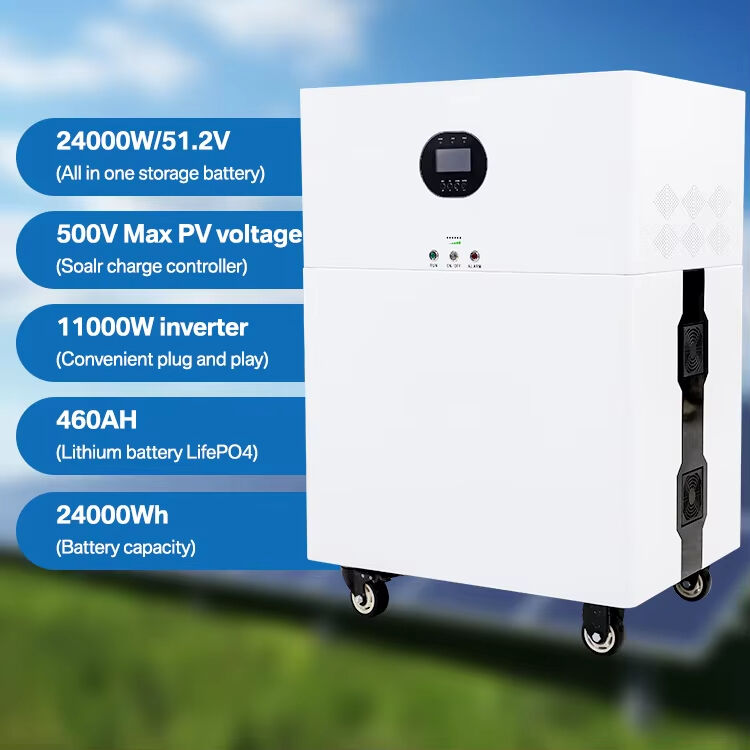
परिचय: एक तटीय तूफान के दौरान तीन दिनों की बिजली आउटेज ने रेफ्रिजरेटर में रखे सभी समुद्री खाद्य पदार्थों को खराब कर दिया; उत्तरी क्षेत्र में ठंड की लहर के दौरान पावर ग्रिड की विफलता के कारण फर्श के हीटिंग सिस्टम का काम रुक गया, जिससे कमरे का तापमान अचानक गिर गया; दूरस्थ क्षेत्रों में लगातार होने वाले बिजली कटौती के कारण बच्चों की ऑनलाइन कक्षाएँ और वयस्कों का घर से काम करना प्रभावित हुआ – घरेलू बिजली आउटेज के कारण होने वाली परेशानियाँ चिंताजनक हैं! 11kW/24kWh एकीकृत घरेलू सौर ऊर्जा भंडारण प्रणाली अब उपलब्ध है, जिसमें लंबे जीवन वाला लिथियम आयरन फॉस्फेट कोर और दोहरे चैनल वाला उच्च दक्षता वाला फोटोवोल्टिक पावर जनरेशन डिज़ाइन शामिल है, जो घर की सभी बिजली की आवश्यकताओं को पूरा करता है। लगातार 72 घंटे तक की बिजली आउटेज के दौरान भी, यह सुनिश्चित करता है कि परिवार का जीवन और काम पूरी तरह से अप्रभावित रहे! मुख्य लाभ: आपके पूरे घर की बिजली आपूर्ति की सुरक्षा: ✅ 24kWh की बड़ी क्षमता, पूरे घर के लिए चिंतामुक्त बिजली: 11kW की नामिक आउटपुट शक्ति पूरे घर के उच्च-भार वाले उपकरणों को आसानी से संभाल सकती है – एक 1.5 हॉर्सपावर केंद्रीय एयर कंडीशनर (1200W), फर्श हीटिंग (3000W), डबल-डोर रेफ्रिजरेटर (150W), ड्रम वाशिंग मशीन (500W) और 5 अन्य घरेलू उपकरणों को एक साथ बिजली प्रदान कर सकती है, जो दैनिक बिजली की आवश्यकताओं को पूरी तरह से पूरा करता है। 24kWh नामिक क्षमता का परीक्षण किया गया है, औसत तीन सदस्यों वाले परिवार के लिए यह 2-3 दिनों तक बिजली प्रदान कर सकता है। यदि केवल आवश्यक बिजली (रेफ्रिजरेटर, रोशनी आदि) बनाए रखी जाती है, तो बैटरी जीवन को 5 दिनों तक बढ़ाया जा सकता है, जिससे लंबे समय तक चलने वाले आउटेज के दौरान "बिजली राशनिंग" की जबरदस्ती की आवश्यकता नहीं होती। ✅ दोहरे चैनल फोटोवोल्टिक इनपुट, उच्च दक्षता वाला बिजली उत्पादन और लागत बचत: दो स्वतंत्र MPPT नियंत्रकों से लैस, अधिकतम 5500W*2 फोटोवोल्टिक इनपुट का समर्थन करता है, जो दो पंक्तियों के सौर पैनलों को समानांतर बिजली उत्पादन के लिए जोड़ सकता है, जिससे एकल चैनल इनपुट प्रणालियों की तुलना में 40% तक बिजली उत्पादन दक्षता में वृद्धि होती है। मेरे देश के उत्तर में धूप वाली परिस्थितियों में, यह एक दिन में 19.2kWh बिजली संग्रहित कर सकता है (80% चार्ज), परिवार की पूरी दैनिक बिजली की आवश्यकता को पूरा करता है; चोटी और ऑफ-पीक बिजली कीमतों के अंतर (चोटी 0.8 युआन/kWh, ऑफ-पीक 0.3 युआन/kWh) के साथ संयुक्त, "ऑफ-पीक चार्जिंग, चोटी समय उपयोग + फोटोवोल्टिक पूर्ति" मॉडल का उपयोग करके, एक औसत परिवार वार्षिक रूप से 3000 युआन से अधिक बिजली बिल में बचत कर सकता है, जो 3-5 वर्षों में उपकरण लागत का एक हिस्सा वसूल कर लेता है। ✅ ऑटोमोटिव-ग्रेड लिथियम आयरन फॉस्फेट बैटरी, दस साल तक चिंतामुक्त टिकाऊपन: CATL के समान ऑटोमोटिव-ग्रेड लिथियम आयरन फॉस्फेट बैटरी का उपयोग करते हुए, बैटरी सेल में 150Wh/kg की ऊर्जा घनत्व होती है। मधुकोश ऊष्मा अपव्यय संरचना और बुद्धिमान संतुलन प्रबंधन प्रणाली के साथ संयुक्त करने पर, बैटरी 80% डिस्चार्ज गहराई (DOD) पर 3000 से अधिक चक्र प्राप्त करती है। एक दैनिक "सौर चार्जिंग + चोटी/ऑफ-पीक डिस्चार्जिंग" चक्र के आधार पर, यह 10 वर्षों से अधिक तक विश्वसनीय रूप से काम कर सकता है, जो सामान्य टर्नरी लिथियम बैटरी (2000 चक्र) की तुलना में एक बैटरी प्रतिस्थापन लागत की बचत करता है। एकल प्रणाली के लिए कुल जीवनकाल लागत बचत 60,000 RMB से अधिक हो सकती है। ✅ सार्वभौमिक रूप से संगत और स्थापित करने में आसान, नए और पुराने दोनों घरों के लिए उपयुक्त: 230VAC±5% व्यापक वोल्टेज आउटपुट दुनिया भर में प्रमुख घरेलू सर्किट मानकों को कवर करता है, 50/60Hz आवृत्ति स्व-अनुकूलन के साथ, जो घरेलू और विदेशी आवास दोनों के साथ सीधे संगत बनाता है। प्रणाली सौर नियंत्रक, इन्वर्टर और बैटरी पैक को एक इकाई में एकीकृत करती है, जिसका आकार केवल 120cm × 60cm × 80cm है (लगभग एक डबल-डोर अलमारी के आकार के बराबर), जिसे बालकनी के कोने या गेराज स्टोरेज क्षेत्र में रखा जा सकता है। मॉड्यूलर वायरिंग डिज़ाइन के कारण पेशेवर स्थापना टीमें मानकीकृत घटकों का उपयोग करके केवल 2 घंटे में वायरिंग और डिबगिंग पूरी कर सकती हैं, जिससे पुराने घरों में व्यापक सर्किट संशोधन की आवश्यकता नहीं होती। सभी परिस्थितियों में शांति के लिए गुणवत्ता आश्वासन: उत्पाद CE और CQC द्वारा प्रमाणित है, और ISO9001 गुणवत्ता प्रबंधन प्रणाली मानकों के अनुरूप है। इसमें अतिभार, लघु परिपथ, अतिचार्ज, अतितापमान और लीकेज के खिलाफ पांच-गुना सुरक्षा सुरक्षा शामिल है, जो बैटरी सूजन और सर्किट आग जैसे जोखिमों को रोकती है। -20℃ से 65℃ तक की व्यापक संचालन तापमान सीमा सभी जलवायु के लिए उपयुक्त है – उत्तरी चीन (-15℃) में ठंडी सर्दियों में स्वचालित बैटरी प्रीहीटिंग सक्रिय होती है ताकि सामान्य बिजली आपूर्ति सुनिश्चित हो सके; दक्षिणी चीन (40℃) में तपती गर्मियों में बलपूर्वक वायु शीतलन सक्रिय होता है ताकि स्थिर आउटपुट बना रहे। ठंडी उत्तरी सर्दियों और गर्म दक्षिणी गर्मियों दोनों में इसका आत्मविश्वास से उपयोग किया जा सकता है।
अधिक पढ़ें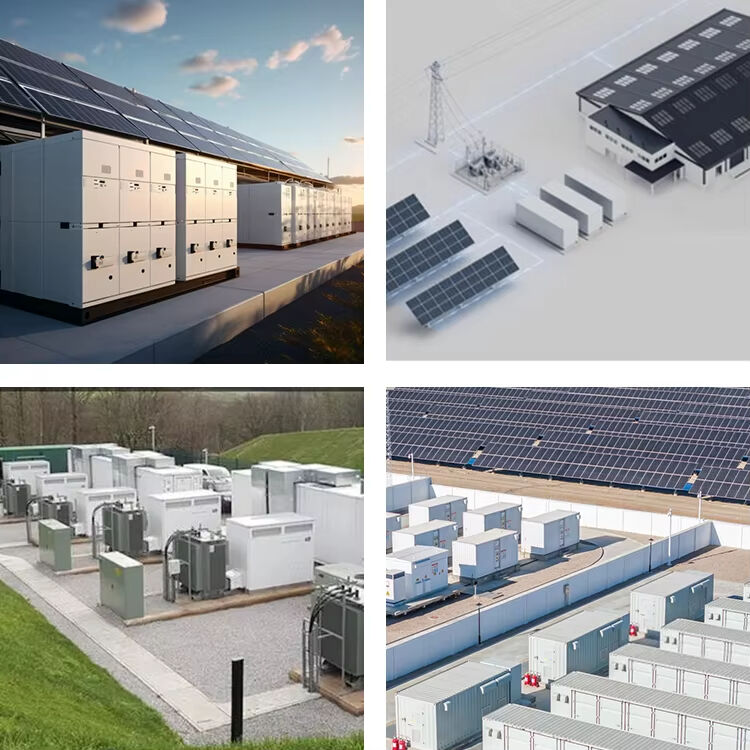
परिचय: एक इलेक्ट्रॉनिक्स फैक्ट्री में बिजली कटौती के कारण 4 घंटे की उत्पादन लाइन बंदी हुई और 200,000 युआन से अधिक का नुकसान हुआ; एक चेन सुपरमार्केट में ठंडी श्रृंखला में व्यवधान के कारण ताजा सब्जियां खराब हो गईं और एक दिन में 50,000 युआन का नुकसान हुआ—औद्योगिक और वाणिज्यिक क्षेत्रों में बिजली कटौती के जोखिम चिंताजनक हैं! हमारी 120kW/128kWh औद्योगिक और वाणिज्यिक ऊर्जा भंडारण प्रणाली अब तुरंत बिक्री के लिए उपलब्ध है। इसमें लंबे जीवन वाले लिथियम आयरन फॉस्फेट कोर और 10ms की निर्बाध बैकअप बिजली तकनीक शामिल है, जो कारखानों, सुपरमार्केटों और डेटा केंद्रों के लिए एक मजबूत बिजली सुरक्षा बाधा प्रदान करती है! मुख्य लाभ, औद्योगिक और वाणिज्यिक समस्याओं का समाधान: ✅ अत्यधिक लंबी आयु, दस वर्षों तक प्रतिस्थापन की आवश्यकता नहीं, अधिक शांति के साथ: CATL की ऑटोमोटिव-ग्रेड लिथियम आयरन फॉस्फेट बैटरी से लैस, जिसमें षट्कोणीय ऊष्मा अपव्यय संरचना है, जो 80% गहरी डिस्चार्ज (DOD) पर 6000 से अधिक चक्र जीवन प्राप्त करती है। एक कारखाने के दैनिक चक्रीय चार्ज-डिस्चार्ज चक्र के आधार पर, यह प्रणाली 15 वर्षों से अधिक समय तक स्थिर रूप से काम कर सकती है, सामान्य तृतीयक लिथियम बैटरी (2000 चक्र) की तुलना में प्रतिस्थापन लागत में तीन गुना कमी लाती है। एकल प्रणाली पूरे जीवनकाल में 80,000 युआन से अधिक बचत कर सकती है। ✅ 99% उच्च दक्षता + निर्बाध बैकअप बिजली, उत्पादन बंदी का शून्य जोखिम: त्रिकल फुल-ब्रिज इन्वर्टर तकनीक का उपयोग करते हुए, अधिकतम रूपांतरण दक्षता 98%-99% तक पहुंच जाती है। 128kWh की ऊर्जा भंडारण क्षमता के साथ, केवल 1.28kWh की हानि होती है, जिससे लगभग शून्य अपव्यय होता है। अचानक ग्रिड विफलता की स्थिति में, प्रणाली 10ms के भीतर स्वचालित रूप से ऊर्जा भंडारण बिजली पर स्विच कर जाती है, जो मानव प्रतिक्रिया समय से कहीं अधिक तेज है। कारखाने की उत्पादन लाइन के मोटर्स अचानक नहीं रुकते, सुपरमार्केट के रेफ्रिजरेटेड डिस्प्ले केबिनेट तापमान बनाए रखते हैं, और डेटा केंद्र के सर्वर क्रैश नहीं होते, जिससे बिजली कटौती के नुकसान से पूरी तरह बचा जा सकता है। ✅ व्यापक वोल्टेज अनुकूलन + सार्वभौमिक संचार, संचालन और रखरखाव के लिए अत्यधिक सुविधाजनक: 220V-400V व्यापक वोल्टेज आउटपुट एकल-चरण/त्रि-चरण उपकरणों को कवर करता है, 50/60Hz आवृत्ति अनुकूलन, सीधे कारखाने की इंजेक्शन मोल्डिंग मशीन (380V), सुपरमार्केट प्रकाश व्यवस्था (220V), चार्जिंग स्टेशन चार्जिंग पिलर (400V) आदि से जोड़ा जा सकता है। इथरनेट, 4G, RS485 और CAN बहु-इंटरफ़ेस संचार का समर्थन करता है। प्रशासक मोबाइल ऐप के माध्यम से बैटरी क्षमता और आउटपुट शक्ति की वास्तविक समय में निगरानी कर सकते हैं, दूरस्थ रूप से चार्जिंग और डिस्चार्जिंग की अनुसूची बना सकते हैं, जिससे स्थानीय रखरखाव कर्मचारियों की आवश्यकता कम हो जाती है। ✅ चरम परिस्थितियों में स्थिर संचालन, उत्तरी और दक्षिणी क्षेत्रों दोनों के लिए उपयुक्त: -25℃ से +55℃ तक की व्यापक संचालन तापमान सीमा, एक बुद्धिमान तापमान नियंत्रण प्रणाली से लैस—ठंडे उत्तरी क्षेत्रों में बैटरी प्रीहीटिंग को स्वचालित रूप से सक्रिय करता है, -25℃ पर भी 85% नामित शक्ति बनाए रखता है; उच्च तापमान वाले दक्षिणी वातावरण में, बलपूर्वक वायु शीतलन सक्रिय हो जाता है, 45℃ से नीचे 120kW पूर्ण भार आउटपुट बनाए रखता है, 45℃ से 55℃ के बीच में थोड़ी सी शक्ति कमी होती है, जो चीन के उत्तर-पूर्व में कार्यशालाओं और हैनान में सुपरमार्केटों जैसी विभिन्न जलवायु परिदृश्यों में पूरे वर्ष स्थिर बिजली आपूर्ति सुनिश्चित करता है। गुणवत्ता आश्वासन, बहु-परिदृश्य अनुकूलन: उत्पाद ISO9001, CE, RoHS और चीन CQC प्रमाणित है। इसमें अतिभार, लघु परिपथ, अति तापमान और अति चार्ज से चार स्तरीय सुरक्षा सुरक्षा निर्मित है। बैटरी पैक नीडल पेनिट्रेशन, संपीड़न और अग्नि परीक्षणों से सफलतापूर्वक गुजरा है।
अधिक पढ़ें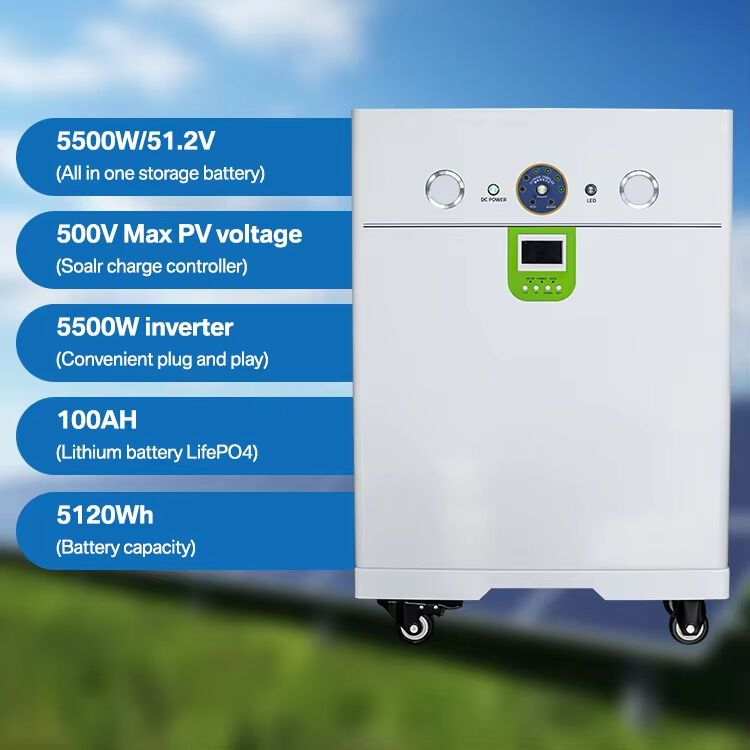
परिचय: क्या आपके 10 वर्गमीटर के बालकनी पर बड़े उपकरण लगाने की जगह नहीं है? किराए के घर में तारों को फिर से जोड़ने की परेशानी के बारे में चिंतित हैं? छोटी बिजली कटौती के कारण रेफ्रिजरेटेड टीके खराब हो रहे हैं या बच्चों के ऑनलाइन क्लास बाधित हो रहे हैं? छोटे अपार्टमेंट्स की समस्याओं को दूर करते हुए, 5.5kW/5.12kWh एकीकृत घरेलू सौर ऊर्जा भंडारण प्रणाली को आधिकारिक तौर पर लॉन्च किया गया है। इसके "कॉम्पैक्ट आकार, मजबूत अनुकूलन क्षमता और आसान स्थापना" के साथ, यह एक ही छत के तहत ऊर्जा समाधान प्रदान करता है। यहां तक कि 10 वर्गमीटर की बालकनी में भी आसानी से इसे लगाया जा सकता है, जिससे छोटी बिजली कटौती के दौरान भी बिजली की आपूर्ति बाधित नहीं होती! मुख्य विशेषताएं, सीधे छोटे अपार्टमेंट्स की आवश्यकताओं को पूरा करते हुए: ✅ एकीकृत डिज़ाइन, जगह बचाने वाला और आसान स्थापना: फोटोवोल्टिक नियंत्रक, इन्वर्टर और ऊर्जा भंडारण बैटरी को एक ही इकाई में एकीकृत करता है, उपकरण का आकार केवल 60 सेमी × 45 सेमी × 20 सेमी है (लगभग एक छोटी वाशिंग मशीन के आकार के बराबर)। इसे बालकनी के कोने में या लिविंग रूम के स्टोरेज कैबिनेट के बगल में रखा जा सकता है। दीवार पर लगाने और फर्श पर रखने दोनों विकल्प उपलब्ध हैं, जिससे किराएदारों को मौजूदा वायरिंग में बदलाव करने की आवश्यकता नहीं होती। एक पेशेवर तकनीशियन केवल एक घंटे में वायरिंग और डिबगिंग पूरी कर सकता है, और शिफ्ट होने पर इसे आसानी से डिसएसेम्बल करके ले जाया जा सकता है। ✅ उच्च प्रदर्शन वाली लिथियम आयरन फॉस्फेट बैटरी, बिना चिंता के बिजली: ऑटोमोटिव-ग्रेड लिथियम आयरन फॉस्फेट बैटरी से लैस, 5.12kWh की नाममात्र क्षमता एक परिवार की 8 घंटे की मुख्य बिजली आवश्यकताओं को पूरा कर सकती है – एक साथ एक रेफ्रिजरेटर (150W), एक एयर कंडीशनर (1.5 हॉर्सपावर), दो डेस्क लैंप और एक लैपटॉप को बिजली दे सकती है, जो दैनिक जीवन की आवश्यकताओं को पूरी तरह से कवर करता है। तृतीय-पक्ष परीक्षण के अनुसार, 80% डिस्चार्ज गहराई चक्र जीवन 3000 चक्रों से अधिक है। मान लीजिए प्रतिदिन एक चार्ज और डिस्चार्ज चक्र, सामान्य उपयोग में यह 10 साल से अधिक तक चल सकता है, जो सामान्य लेड-एसिड बैटरी की तुलना में काफी बेहतर है। ✅ सभी परिदृश्यों में अनुकूलन क्षमता, आपातकाल के लिए अधिक लचीला: 220/230/240VAC व्यापक वोल्टेज इनपुट और आउटपुट का समर्थन करता है, और 50/60Hz आवृत्ति स्व-अनुकूलन। इसे घरेलू और विदेशी दोनों छोटे अपार्टमेंट्स में सीधे उपयोग किया जा सकता है। बिजली कटौती के मामले में, प्रणाली 10ms के भीतर स्वचालित रूप से ऊर्जा भंडारण बिजली आपूर्ति पर स्विच कर जाती है। मिलीसेकंड स्तर की प्रतिक्रिया रेफ्रिजरेटर के लिए निरंतर शीतलन और ऑनलाइन कक्षाओं/दूरस्थ कार्य को बाधित होने से बचाती है, जो चिकित्सा शीतलन और घर पर कार्य जैसे उच्च बिजली आपूर्ति स्थिरता की आवश्यकता वाले परिदृश्यों के लिए विशेष रूप से उपयुक्त है। ✅ व्यापक संचालन तापमान सीमा, उत्तरी और दक्षिणी क्षेत्रों दोनों के लिए उपयुक्त: चार्जिंग तापमान सीमा 0~65℃ है, और डिस्चार्जिंग तापमान -20℃ तक जा सकता है। यह उत्तर-पूर्व चीन की कठोर सर्दियों में (-15℃) भी सामान्य रूप से शुरू हो सकता है और दक्षिण के तपते 40℃ गर्मी में अति ताप संरक्षण का अनुभव नहीं करेगा। बैटरी में एक निर्मित बुद्धिमान तापमान नियंत्रण प्रणाली है जो तापमान अत्यधिक होने पर स्वचालित रूप से ऊष्मा विकिरण करती है और कम तापमान पर प्री-हीटिंग सक्रिय करती है, जो विभिन्न जलवायु क्षेत्रों में पूरे वर्ष स्थिर उपयोग सुनिश्चित करती है। गुणवत्ता आश्वासन, चिंता मुक्त खरीदारी: उत्पाद ने सीई, आरओएचएस और घरेलू 3सी प्रमाणन पारित किए हैं, और अतिभार, लघु परिपथ, अतिचार्ज और अतिताप के खिलाफ चार-गुना सुरक्षा सुरक्षा सुविधा प्रदान करता है। उपयोग के दौरान बैटरी के फूलने या रिसाव का कोई जोखिम नहीं है।
अधिक पढ़ें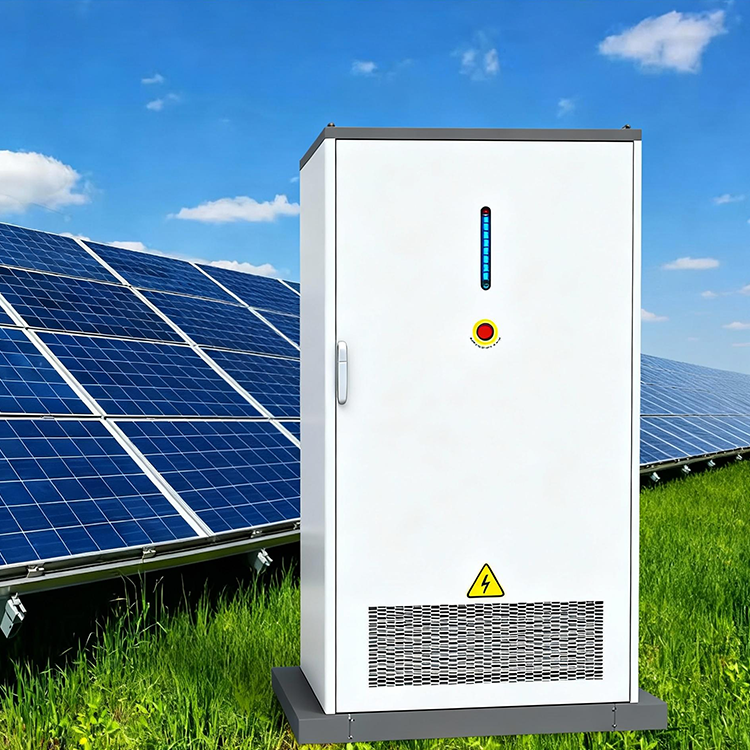
औद्योगिक गोदामों के लिए बिजली के उच्च बिल? ठंडी श्रृंखला लॉजिस्टिक्स में बाधा के कारण बिजली कटौती से भारी नुकसान? अब 120kW/225kWh सौर ऊर्जा भंडारण प्रणाली उपलब्ध है! इसकी सभी-एक-में-एक डिज़ाइन सभी परिदृश्यों के लिए अनुकूल है, जो व्यवसायों के लिए लागत में कमी और स्थिर बिजली आपूर्ति के लिए एक नया विकल्प बनाती है! तीन-ग्रिड मोड बिना किसी चिंता के बिजली उपयोग सुनिश्चित करते हैं: ऑफ-ग्रिड, ग्रिड-कनेक्टेड और हाइब्रिड ग्रिड मोड के बीच मुक्त स्विचिंग का समर्थन करता है; 10ms में बिजली कटौती की स्वच्छ पुनर्प्राप्ति ठंडी श्रृंखला गोदामों और सटीक उपकरण वर्कशॉप के लिए बिजली की निर्बाध आपूर्ति सुनिश्चित करती है; ग्रिड से जुड़े होने पर, सौर ऊर्जा भंडारण को प्राथमिकता दी जाती है, जो शिखर-घाटी मूल्य अंतर का लाभ उठाते हुए प्रति वर्ष 1,00,000 युआन से अधिक की बिजली लागत बचाती है। मजबूत कॉन्फ़िगरेशन, सुरक्षित और टिकाऊ: ✅ लिथियम आयरन फॉस्फेट बैटरी: 6000 से अधिक चार्ज-डिस्चार्ज चक्र, आयुष्य 15 वर्ष तक, उच्च और निम्न तापमान वातावरण में स्थिर। ✅ उच्च-दक्षता MPPT नियंत्रक: सौर ऊर्जा रूपांतरण दक्षता 99% तक, बादल छाए दिनों में भी कुशल ऊर्जा संग्रह। ✅ कई स्थापना विकल्प: दीवार पर लगाने योग्य/स्टैक करने योग्य/रैक-माउंटेड विकल्प उपलब्ध, संकरी गोदामों में भी लचीली व्यवस्था, जगह बचाता है।
अधिक पढ़ें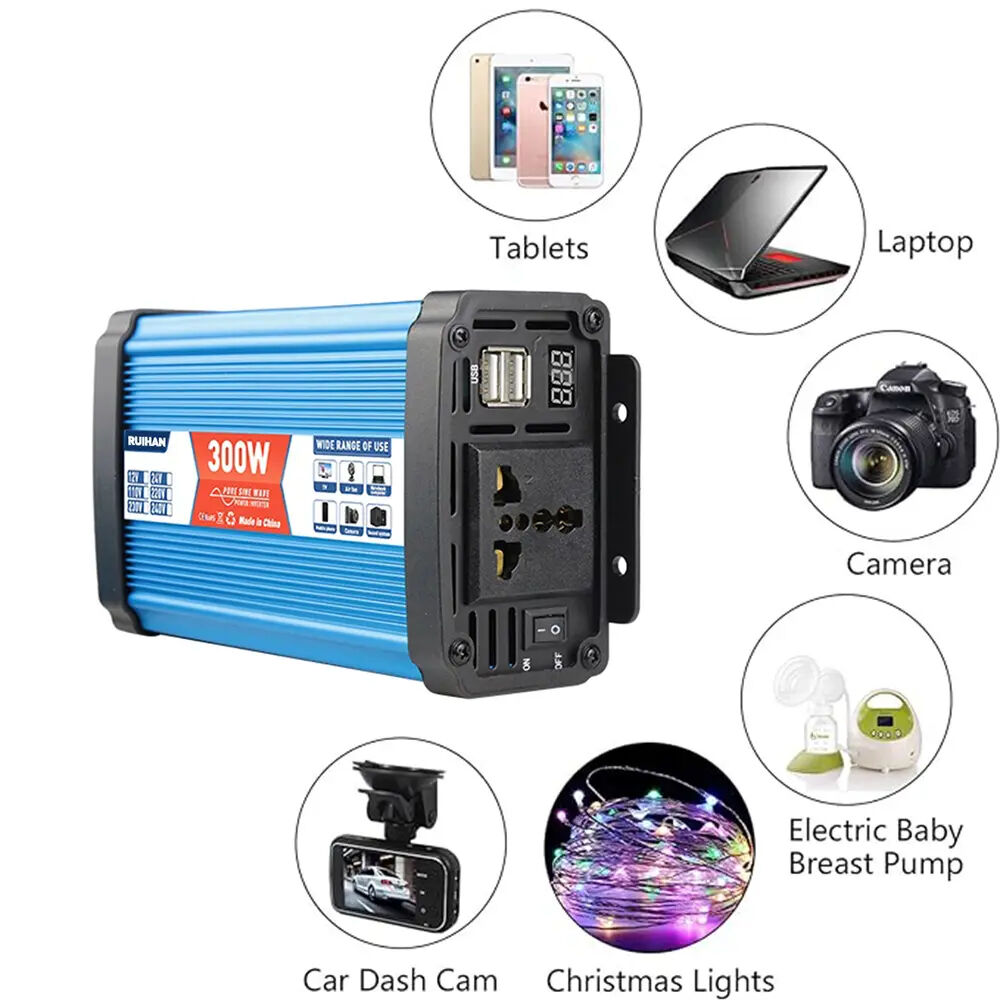
परिचय: हाल ही में लॉन्च किए गए, एक नया 300W शुद्ध साइन वेव इन्वर्टर पेश किया गया। अपनी पूर्णतः अनुकूलित सेवा, बहु-राष्ट्रीय मानक प्लग विन्यास और स्थिर प्रदर्शन के साथ, यह आसानी से घरेलू आपातकालीन और वाहन बिजली आपूर्ति के परिदृश्यों में अनुकूलन करता है, वैश्विक उपयोगकर्ताओं के लिए "सीमित बिजली उपयोग परिदृश्य" की समस्या का समाधान करता है। प्रमुख बिजली संबंधी समस्याएं इन्वर्टर को आवश्यक बनाती हैं: ड्राइविंग के दौरान फ़ोन या ड्रोन के लिए बिजली खत्म हो जाना? घर में बिजली कटौती से राउटर और छोटे रेफ्रिजरेटर को बिजली न मिलना? क्रॉस-बॉर्डर उपयोगकर्ताओं के सामने प्लग असंगतता की समस्या? ये दैनिक बिजली संबंधी समस्याएं उपभोक्ताओं के लिए मुख्य समस्याएं बन रही हैं। "अपने विदेशी रोड ट्रिप पर ले जाया गया मेरा कॉफी मशीन हमेशा गलत प्लग की वजह से काम नहीं करता था, और सामान्य इन्वर्टर अस्थिर होते हैं," एक आउटडोर उत्साही ने टिप्पणी की, जो कई उपयोगकर्ताओं की भावनाओं को दर्शाता है। नया लॉन्च किया गया 300W शुद्ध साइन वेव इन्वर्टर ठीक इन्हीं समस्याओं को हल करने के लिए बनाया गया है। तीन मुख्य विशेषताएं, विविध आवश्यकताओं के अनुकूल: नया उत्पाद "अनुकूलन, मजबूत अनुकूलन क्षमता और उच्च स्थिरता" पर केंद्रित है, जो विभिन्न लाभ बनाता है और घरेलू और ऑटोमोटिव दोनों परिदृश्यों की आवश्यकताओं को पूरा करता है। पहला, पूर्ण अनुकूलन सेवा, ब्रांड और कार्यक्षमता को इच्छानुसार समायोजित किया जा सकता है: कॉर्पोरेट उपहार और ब्रांड प्रचार की आवश्यकताओं को पूरा करने के लिए ब्रांड लोगो के कस्टम प्रिंटिंग का समर्थन करता है; आउटपुट वोल्टेज और इंटरफ़ेस प्रकार को उपयोगकर्ता परिदृश्यों के अनुसार समायोजित किया जा सकता है, मापदंडों से लेकर उपस्थिति तक "आवश्यकतानुसार अनुकूलन" की सुविधा प्रदान करता है, विभिन्न उद्योगों की खरीद आवश्यकताओं के अनुकूल। दूसरा, बहु-देशीय प्लग विन्यास, क्रॉस-बॉर्डर उपयोग में बिना किसी चिंता के: मानक विन्यास में यूरोपीय, अमेरिकी, ब्रिटिश और ऑस्ट्रेलियाई प्लग जैसे अंतरराष्ट्रीय मानक प्लग शामिल हैं, जिससे अतिरिक्त एडेप्टर की आवश्यकता नहीं होती। चाहे क्रॉस-बॉर्डर ड्राइविंग के लिए हो या ओवरसीज घरेलू उपयोग के लिए, यह सीधे स्थानीय सॉकेट में अनुकूलन कर सकता है, "प्लग असंगतता" की मुख्य समस्या का समाधान करता है। तीसरा, शुद्ध साइन वेव आउटपुट, उपकरणों के लिए स्थिर सुरक्षा: 300W शक्ति मोबाइल फोन, लैपटॉप और छोटे रेफ्रिजरेटर जैसे सामान्य उपकरणों को आसानी से ऊर्जा प्रदान कर सकती है। शुद्ध साइन वेव आउटपुट तरंग रूप स्थिर है, जो सामान्य इन्वर्टर के कारण नाजुक इलेक्ट्रॉनिक उपकरणों को होने वाले नुकसान से बचाता है, जिससे घरेलू आपातकालीन उपयोग और वाहन में चार्जिंग के लिए सुरक्षित होता है। गुणवत्ता आश्वासन, चिंता मुक्त खरीदारी: यह 300W शुद्ध साइन वेव इन्वर्टर CE और RoHS प्रमाणन से गुजर चुका है। उत्पाद गर्मी प्रतिरोधी, अतिभार प्रूफ और उपयोग में सुरक्षित है। कंपनी 7-दिन की बिना किसी प्रश्न के वापसी नीति और 1 वर्ष की वारंटी प्रदान करती है, जो उपयोगकर्ताओं की बिक्री के बाद की चिंताओं को दूर करती है।
अधिक पढ़ें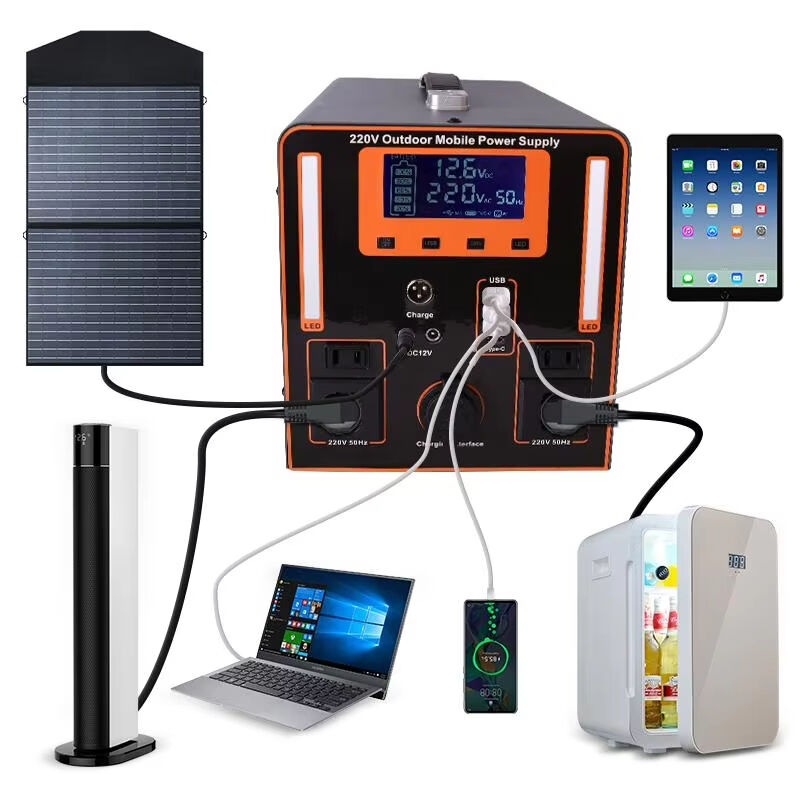
प्रकाशित: 22 नवंबर, 2025 | स्रोत: XX पोर्टेबल एनर्जी टेक्नोलॉजी कंपनी लिमिटेड। क्या आप अपने कैम्पिंग के दौरान ओवन को बिजली नहीं दे पा रहे हैं? बिजली आउटेज के दौरान फ्रिज को डी-फ्रॉस्ट करने की आवश्यकता है? 1920Wh लिथियम आयरन फॉस्फेट बैटरी + 2500W इन्वर्टर मेटल-केस वाला पोर्टेबल ऊर्जा भंडारण प्रणाली अब उपलब्ध है! उच्च शक्ति, लंबी बैटरी लाइफ, मजबूत और टिकाऊ, यह आपकी सभी आउटडोर आराम और आपातकालीन बिजली की आवश्यकताओं को पूरा करता है। आवश्यक बिजली की आवश्यकताओं को पूरा करने वाले तीन मुख्य लाभ: 1. 2500W शक्तिशाली आउटपुट, बड़े उपकरणों को आसानी से चलाएं 220V शुद्ध साइन वेव आउटपुट के साथ, 2500W नामित शक्ति आसानी से इलेक्ट्रिक ओवन, इंडक्शन कुकर, और एयर कंडीशनर जैसे उच्च शक्ति वाले उपकरणों को चलाती है। यह कैम्पिंग में हॉट पॉट, आउटडोर वेल्डिंग मशीनों, और घर पर आपातकालीन फ्रिज के लिए बिजली की आपूर्ति के लिए आदर्श है, "कम शक्ति वाले बेकार" की समस्या को खत्म करता है। 2. लंबे समय तक चलने वाली बिजली के लिए 1920Wh लिथियम आयरन फॉस्फेट बैटरी, अब बिजली की चिंता नहीं एक बड़ी क्षमता वाली लिथियम आयरन फॉस्फेट बैटरी द्वारा संचालित, पूरी तरह चार्ज होने पर यह प्रदान करता है: एक प्रोजेक्टर के लिए 15 घंटे तक निरंतर प्लेबैक, एक इलेक्ट्रिक कुकर के लिए 8 घंटे, और एक घरेलू फ्रिज के लिए 12 घंटे, विभिन्न परिदृश्यों की आवश्यकताओं को पूरा करता है और एक बार चार्ज करने पर दो दिनों तक पर्याप्त बिजली प्रदान करता है। 3. टिकाऊ मेटल शेल + पोर्टेबिलिटी, कहीं भी विश्वसनीय सभी-धातु का शेल गिरने और पहनने के लिए सुरक्षित है, आउटडोर झटकों और चोटों के प्रति प्रतिरोधी; मजबूत हैंडल के साथ, इसे ले जाना और ढोना आसान है। चाहे पहाड़ों में कैम्पिंग हो, निर्माण कार्य हो, या परिवार में आपातकाल हो, यह हर जगह उपलब्ध है और कठोर परिस्थितियों में भी स्थिर बिजली प्रदान करता है। परिदृश्य परीक्षण: दृश्यमान बिजली स्वतंत्रता - आरवी कैम्पिंग: एयर कंडीशनिंग, कॉफी मशीन और रोशनी को बिजली देता है; पूरी तरह चार्ज होने पर पूरे सप्ताहांत की यात्रा के लिए पर्याप्त है, चार्जिंग स्टेशन ढूंढने की आवश्यकता नहीं। - परिवार आपातकाल: तूफान के दौरान बिजली कटौती के दौरान, फ्रिज, राउटर और रोशनी के निरंतर संचालन को सुनिश्चित करता है, दैनिक जीवन को बिना बाधा के जारी रखता है। - आउटडोर निर्माण: 8 घंटे तक ड्रिल और कटिंग मशीनों को बिजली देता है, बिजली के तारों के बंधन से मुक्ति दिलाता है और निर्माण दक्षता को दोगुना कर देता है।
अधिक पढ़ें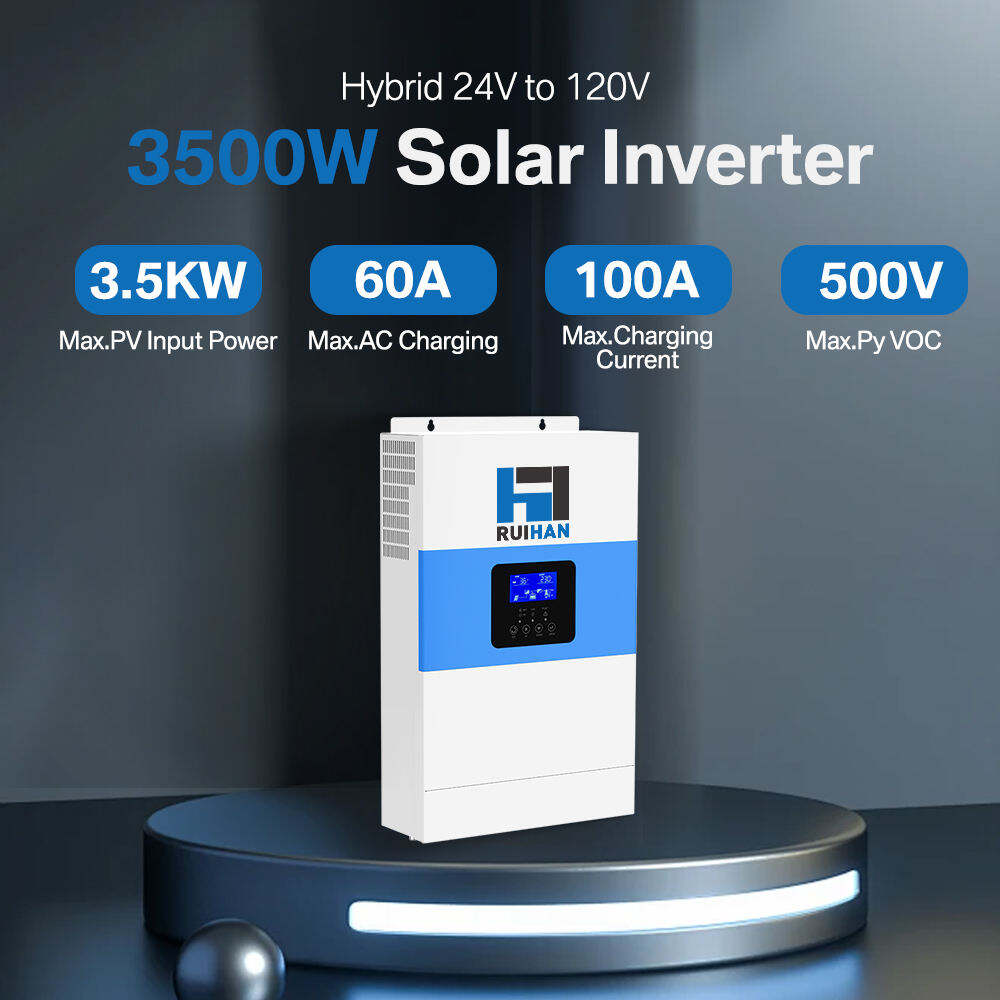
दूरस्थ क्षेत्रों या आउटडोर प्रोजेक्ट्स में ऑफ-ग्रिड बिजली की समस्या से जूझ रहे हैं? सौर पैनल की ऊर्जा ठीक से संग्रहित नहीं हो रही है, उपकरणों की बिजली असंगत है? नए लॉन्च किए गए XX हाइब्रिड समानांतर इन्वर्टर 3KW से 5.5KW तक कई विनिर्देशों में उपलब्ध हैं, जिसमें उच्च दक्षता वाला MPPT अंतर्निहित है और डुअल/सिंगल-फेज + तीन-फेज बिजली के लिए लचीला अनुकूलन है, जो स्थिर और चिंतामुक्त ऑफ-ग्रिड बिजली आपूर्ति सुनिश्चित करता है। प्रमुख विशेषताएँ: ऑफ-ग्रिड बिजली की पीड़ादायी समस्याओं का सटीक समाधान 1. बहु-शक्ति कवरेज, सभी उपकरणों के लिए उपयुक्त 3KW से 5.5KW तक (मुख्यधारा 5000W विनिर्देश सहित), अपनी आवश्यकताओं के अनुसार चुनें; आउटपुट धारा 100A तक, स्थिर 230V AC बिजली आपूर्ति (±5% त्रुटि), सौर जल पंप, जल संवर्धन उपकरण और आउटडोर निर्माण मशीनरी जैसे भारी भार को आसानी से चलाना, बिजली की कमी की चिंता किए बिना। 2. उच्च दक्षता वाला MPPT + 93.5% रूपांतरण दर: अधिक बिजली उत्पन्न करें और अधिक ऊर्जा संग्रहित करें। उच्च दक्षता वाले MPPT नियंत्रक को अंतर्निहित करने से सौर पैनल की ऊर्जा को अधिकतम पकड़ा जा सकता है, जो सामान्य इन्वर्टर की तुलना में 18% अधिक बिजली उत्पन्न करता है; 93.5% की अत्यधिक रूपांतरण दर ऊर्जा की हानि को कम करती है; 48V बैटरी पैक के लिए मजबूत अनुकूलन क्षमता; ऑफ-ग्रिड परिदृश्यों में बिजली उत्पादन, भंडारण और खपत के लिए एक बंद लूप बनाता है। 3. डुअल/सिंगल-फेज और तीन-फेज के बीच लचीला स्विचिंग, सभी परिदृश्यों के लिए अनुकूल। डुअल/सिंगल-फेज और तीन-फेज आउटपुट के बीच स्विचिंग का समर्थन करता है, 50Hz/60Hz आवृत्ति अनुकूलन, विभिन्न क्षेत्रीय बिजली मानकों के लिए अनुकूल; आवासीय ऑफ-ग्रिड फोटोवोल्टिक प्रणालियों, व्यावसायिक आउटडोर प्रोजेक्ट्स और दूरस्थ क्षेत्रों में बिजली आपूर्ति प्रोजेक्ट्स में बिना किसी रुकावट के जुड़ता है। 4. हल्का और पोर्टेबल, स्थापना में आसान। केवल 8.44 किग्रा वजन और 302*490*110 मिमी के माप के साथ, इसका संक्षिप्त आकार जगह बचाता है; सरल वायरिंग डिज़ाइन के कारण किसी पेशेवर टीम की आवश्यकता नहीं होती, जिससे त्वरित स्थापना और कमीशनिंग संभव होता है, निर्माण लागत में काफी कमी आती है। वास्तविक परीक्षण: ऑफ-ग्रिड बिजली अत्यधिक विश्वसनीय है - ग्रामीण पशुपालन फार्म: 5.5KW मॉडल तापमान नियंत्रण उपकरण और जल पंप को बिजली प्रदान करता है, स्थिर फोटोवोल्टिक बिजली आपूर्ति के साथ, प्रति माह 2000 युआन से अधिक बिजली लागत बचाता है; - आउटडोर निर्माण शिविर: सौर पैनल के साथ जुड़े 3KW मॉडल प्रकाश, एयर कंडीशनिंग और उपकरणों के लिए बिजली प्रदान करता है, बिजली कटौती का शून्य प्रभाव; - दूरस्थ गेस्टहाउस: 5KW मॉडल पूरे गेस्टहाउस की बिजली आवश्यकताओं का समर्थन करता है, उपकरणों के जीवनकाल को सुनिश्चित करने और मेहमान अनुभव को बढ़ाने के लिए स्थिर 230V वोल्टेज।
अधिक पढ़ें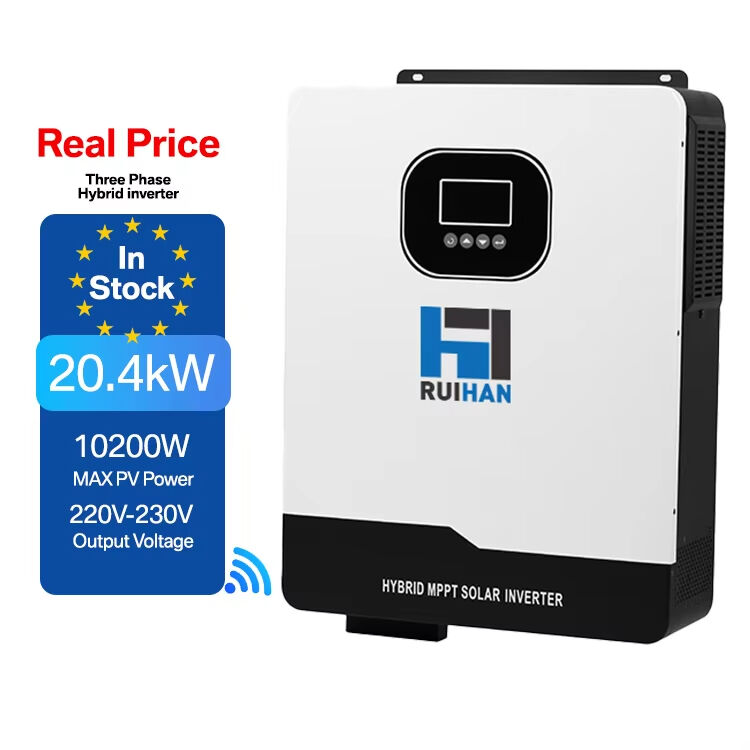
क्या आपके घर की सौर पीवी प्रणाली बिजली को संग्रहित करने में असमर्थ है? क्या बिजली आउटेज के दौरान यह आपका साथ छोड़ देती है? हाल ही में लोकप्रिय 10.2kW हाइब्रिड सौर इन्वर्टर, अपने बुद्धिमान MPPT और शुद्ध साइन वेव आउटपुट तकनीकों के साथ-साथ लिथियम बैटरी समाधान के साथ, "अधिक उत्पादन, बेहतर भंडारण और कम उपयोग" की उपलब्धि करता है, जो घरेलू ऊर्जा अपग्रेड के लिए शीर्ष विकल्प बनाता है। घरेलू सौर पीवी की समस्याओं को दूर करने वाले 3 प्रमुख बिंदु: 1. बुद्धिमान MPPT, सौर ऊर्जा के उपयोग को अधिकतम करना: उच्च दक्षता वाले MPPT नियंत्रक से लैस, यह सौर पैनलों के अधिकतम शक्ति बिंदु को ट्रैक करने में 99.2% दक्षता प्राप्त करता है, जो सामान्य इन्वर्टर की तुलना में 15% अधिक बिजली उत्पन्न करता है। बादल छाए रहने के दिनों या असमान सूर्यप्रकाश वाले क्षेत्रों में भी, यह सौर ऊर्जा के संग्रहण को अधिकतम करता है। 10.2kW का उच्च शक्ति आउटपुट अधिकांश घरेलू सौर सरणियों के साथ संगत है, जो दैनिक घरेलू उपकरणों की आवश्यकताओं को पूरा करने के लिए पर्याप्त बिजली उत्पन्न करता है। 2. चिंतामुक्त उपकरण उपयोग के लिए शुद्ध साइन वेव आउटपुट: एकल-चरण शुद्ध साइन वेव आउटपुट, 220V±5% के स्थिर वोल्टेज और सटीक 50Hz की आवृत्ति के साथ, फ्रिज, एयर कंडीशनर और वाशिंग मशीन जैसे सभी घरेलू उपकरणों के साथ संगत है। पारंपरिक इन्वर्टरों से जुड़ी "ध्वनि क्षति" की समस्या से बचाता है, उपकरणों के जीवनकाल को बढ़ाता है, विशेष रूप से वोल्टेज-संवेदनशील कंप्यूटर और स्मार्ट घर उपकरणों के लिए उपयुक्त है। 3. हाइब्रिड ऊर्जा भंडारण + आपातकालीन बिजली, बिना बाधा के बिजली के उपयोग के लिए: घरेलू लिथियम बैटरी समाधान के लिए विशेष रूप से डिज़ाइन किया गया, यह "फोटोवोल्टिक प्राथमिकता वाली बिजली आपूर्ति + बैटरी में अतिरिक्त बिजली भंडारण + ग्रिड बैकअप" के बीच बुद्धिमान स्विचिंग प्राप्त करता है। ग्रिड बिजली आउटेज की स्थिति में, यह 0.1 सेकंड में स्वचालित रूप से बैटरी बिजली पर स्विच हो जाता है, जिससे फ्रिज, रोशनी और राउटर लगातार काम कर सकते हैं; अतिरिक्त बिजली को लिथियम बैटरी में भंडारित किया जा सकता है और पीक घंटों में उपयोग किया जा सकता है, जिससे मासिक बिजली बिल पर सीधे 50% से अधिक की बचत होती है। घर पर वास्तविक परीक्षण: सामान्य परिवारों के लिए ऊर्जा क्रांति बीजिंग में श्री झांग का घर (100 वर्ग मीटर): स्थापना के बाद, मासिक फोटोवोल्टिक बिजली उत्पादन लगभग 800 किलोवाट-घंटा है। अतिरिक्त बिजली को लिथियम बैटरी में पीक घंटों और आपातकालीन बैकअप के लिए संग्रहित किया जाता है। औसत मासिक बिजली बिल 300 युआन से घटकर 80 युआन रह गया है, जिससे प्रति वर्ष 2600 युआन की बचत होती है। अपेक्षित रिटर्न की अवधि 5 वर्ष है।
अधिक पढ़ें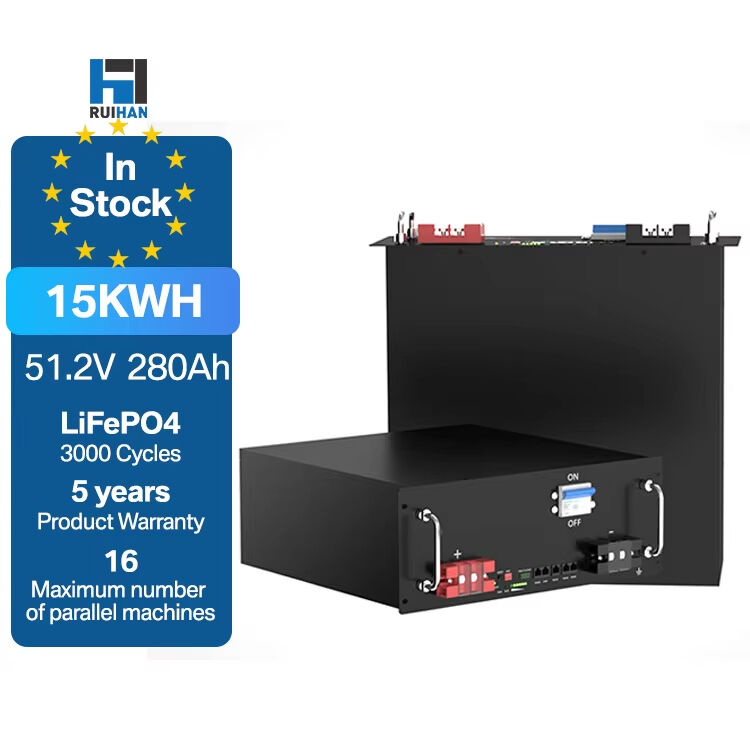
अस्पतालों के लिए, बिजली कटौती जानलेवा होती है; डेटा केंद्रों के लिए, इसका अर्थ लाखों डॉलर का नुकसान होता है। यह 15kW ऊर्जा भंडारण प्रणाली (51.2V 280Ah) इन महत्वपूर्ण समस्याओं को दूर करने के लिए विशेष रूप से तैयार की गई है—इसके ड्यूल-बैटरी विकल्प, बुद्धिमान नियंत्रण और व्यापक संगतता के साथ, यह आपका सबसे विश्वसनीय बैकअप बिजली साझेदार है। प्रमुख लाभ: चुनने के 4 कारण 1. लचीली आवश्यकताओं के लिए ड्यूल-बैटरी विकल्प लीड-एसिड (आर्थिक) और लिथियम-आयन (लंबे जीवन, उच्च दक्षता) दोनों का समर्थन करता है। 280Ah की क्षमता अस्पताल के वेंटिलेटर या डेटा केंद्र के सर्वर जैसे महत्वपूर्ण उपकरणों के लिए 8-12 घंटे तक निरंतर बिजली प्रदान करती है। 2. अधिकतम दक्षता के लिए बुद्धिमान नियंत्रण MPPT/ PWM ड्यूल नियंत्रकों से लैस, सौर ऊर्जा रूपांतरण दक्षता अधिकतम 99% तक बढ़ जाती है। मुख्य बिजली और बैकअप बिजली के बीच 10 मिलीसेकंड के भीतर स्वचालित स्विचिंग चिकित्सा प्रक्रियाओं या डेटा संचरण में शून्य बाधा सुनिश्चित करता है। 3. व्यापक संगतता, बिना किसी रुकावट के एकीकरण - आउटपुट: 110-220V वोल्टेज, 50/60Hz आवृत्ति, वैश्विक उपकरण मानकों के अनुरूप। - इन्वर्टर: एकल-चरण / स्प्लिट-चरण / त्रि-चरण चयन योग्य, विभिन्न लोड आवश्यकताओं को पूरा करता है। - सौर सुसंगतता: मोनोक्रिस्टलाइन N-प्रकार / टॉपकॉन / PERC सौर पैनलों के साथ पूर्णतः संगत, एक हरित "सौर + ऊर्जा भंडारण" प्रणाली का निर्माण करता है। 4. औद्योगिक-श्रेणी की विश्वसनीयता UL और CE प्रमाणित। -20℃ से 60℃ के तापमान वाले वातावरण में स्थिर रूप से काम करता है, चिकित्सा क्लीनरूम या डेटा केंद्र सर्वर कक्षों के लिए उपयुक्त। व्यावहारिक अनुप्रयोग मूल्य - अस्पताल: 20 से अधिक ICU उपकरणों को लगातार बिजली प्रदान कर सकता है; ऑपरेटिंग रूम को निर्बाध बिजली आपूर्ति सुनिश्चित करता है। - डेटा केंद्र: 50 से अधिक सर्वर के लिए बैकअप बिजली का समर्थन करता है; सौर एकीकरण के माध्यम से मासिक बिजली की लागत में 18% तक की कमी आ सकती है। विशेष प्रस्ताव: चिकित्सा और आईटी उद्योगों के लिए निःशुल्क स्थल पर बिजली आवश्यकता का आकलन! अभी अपना बैकअप बिजली समाधान अनुकूलित करें।
अधिक पढ़ें ताज़ा समाचार
2026-02-04
2026-02-03
2026-01-28
2026-01-27
2026-01-23
2026-01-22
ग्वांगडॉंग रुइहान इलेक्ट्रॉनिक्स टेक्नोलॉजी कंपनी, लिमिटेड प्रीमियम सोलर इन्वर्टर्स, पैनल, और ऊर्जा स्टोरेज सिस्टम प्रदान करती है। हमारी अग्रणी प्रौद्योगिकी और स्वचालित उत्पादन उत्कृष्ट प्रदर्शन और स्थायित्व को विश्वसनीय बनाती है। विश्वभर के साथीओं द्वारा विश्वसित। आज ही एक अनुरोध करें।
कमरा 1603, इमारत 1, तियान'अन हेडक्वार्टर सेंटर, नंबर 555 पान्यू एवेन्यू नॉर्थ, डॉनघुआन स्ट्रीट, ग्वांगज़ौ, ग्वांगदोंग
कॉपीराइट © 2025 ग्वांगडॉन्ग रुइहान इलेक्ट्रॉनिक्स टेक्नोलॉजी कंपनी, लिमिटेड। गोपनीयता नीति

 EN
EN