
 EN
EN



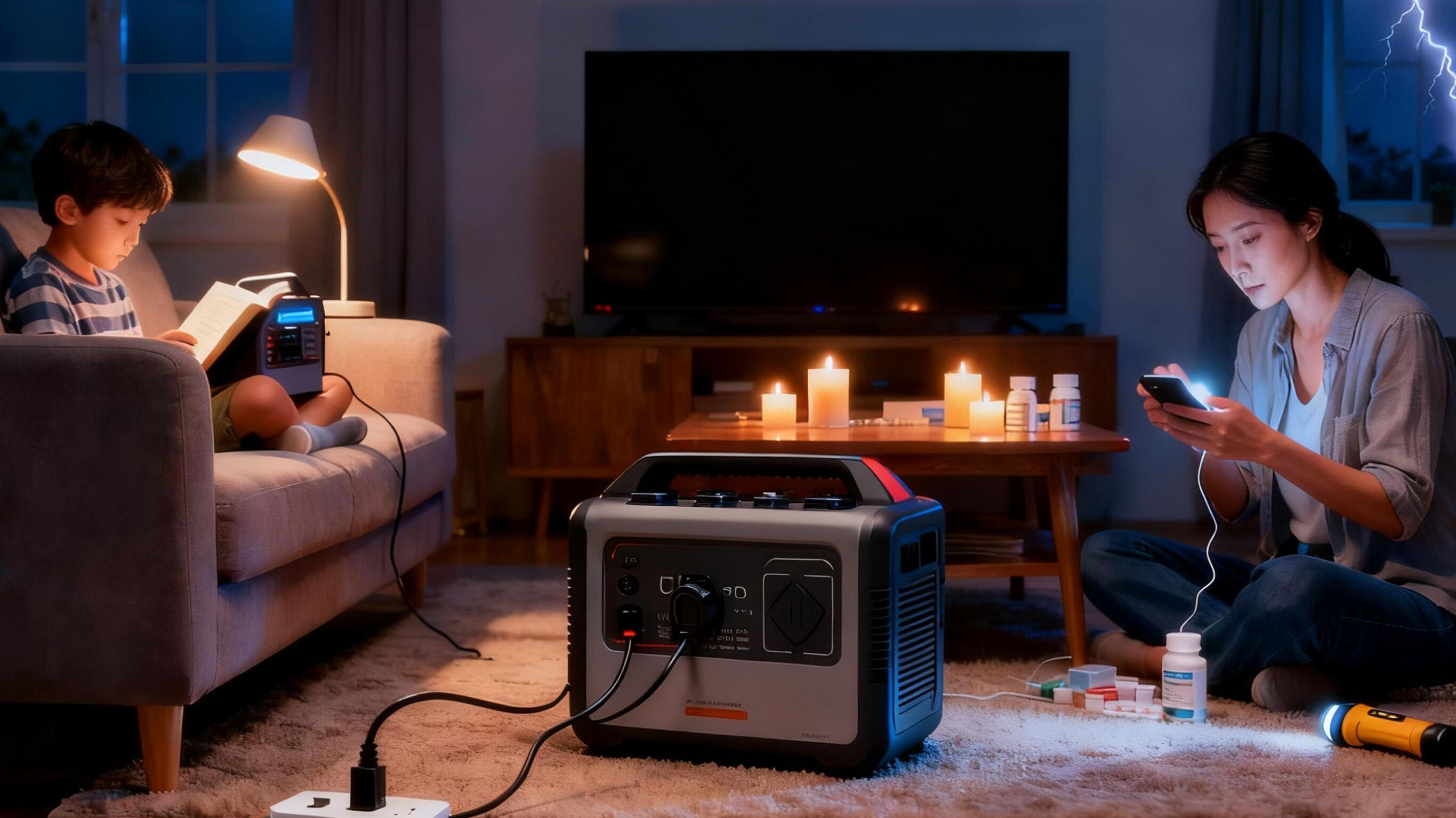
Why Emergency Solar Generators Are Essential for Power Outages
Reliable power for essential home appliances during blackouts
During hurricanes or when ice storms knock out power lines, solar generators keep fridges and freezers running so food doesn't spoil. Americans typically lose around $740 each year from spoiled groceries during long power cuts according to recent studies. A decent sized solar unit holding between 1500 to 3000 watt hours will generally keep refrigerator temperatures safe for anywhere from 18 to 36 hours. This means perishables stay fresh longer and important medicines such as insulin remain at proper storage conditions until electricity comes back on. For families dealing with unexpected weather events, having this backup option makes all the difference in avoiding both financial loss and health risks.
Critical support for medical devices like CPAP machines
According to the 2023 Energy Resilience Study, solar powered generators can run CPAP machines nonstop for more than three full days without those annoying voltage spikes that might fry delicate electronic components. For the roughly 22 million people across America relying on sleep apnea treatments, this kind of dependable power makes all the difference. Missing just a single night's worth of therapy can actually send blood oxygen levels plummeting below safe thresholds at 88% or lower, something medical professionals have documented time and again in their studies.
Keeping communication devices charged: phones, radios, and laptops
Solar generators recharge smartphones more than 30 times per cycle via multiple USB-C ports while simultaneously powering emergency radios through 12V DC outputs. This dual functionality ensures continuous access to weather alerts, emergency services, and family communications–especially crucial when cellular networks remain unstable for days after a disaster.
Clean, quiet, and safe alternative to gas generators
Gas powered generators spew out carbon monoxide while making noise levels above 67 decibels, which is pretty loud actually. Solar generators work completely silent at about 42 dB, similar to what you'd hear in a quiet library, plus they don't release any harmful emissions whatsoever. According to recent FEMA guidelines, these solar options are safe to use indoors when bad weather hits, something that traditional propane or gas units just can't offer because of those dangerous fumes they give off. This makes all the difference for people stuck inside during power outages without proper ventilation.
How Solar Generators Work: Solar Panels, Power Stations, and Energy Storage
Solar Panel Charging and Battery Storage (Wh Rating Explained)
Solar generators take sunlight and turn it into electricity through those photovoltaic panels we all know about. The energy gets sent to what's called a charge controller, basically acting as traffic cop for how much power goes into the batteries. When talking about storage capacity, folks usually measure it in watt-hours (Wh). Let's put this into perspective: if someone has a 1,200Wh system sitting around, they could probably keep a regular sized fridge running for about twelve straight hours. These days most premium units are going with lithium-iron-phosphate (LiFePO4) batteries because they last forever basically. We're talking over 3,500 charge cycles before needing replacement. A recent study from somewhere in 2025 showed that today's best systems manage around 22 to 25 percent efficiency when converting sunlight to usable power. That means on a good sunny day, these systems can fully recharge themselves within four to six hours depending on various factors like angle and cloud cover.
Output Ports and Compatibility With Common Household Devices
Solar generators offer diverse output options to meet emergency needs:
- AC outlets (300–2,200W) for refrigerators, medical devices, and power tools
- USB-C ports (60–100W) for fast-charging laptops and phones
- 12V DC outputs for CPAP machines and LED lighting
Most units support simultaneous device operation, provided total power draw stays within the inverter’s limit. For critical applications, ensure your unit has sufficient surge capacity to handle motor-driven appliances like sump pumps or HVAC systems.
Understanding Runtime Estimates for Refrigerators, Lights, and HVAC Systems
Runtime depends on battery capacity and appliance wattage. Use this formula:Runtime (hours) = Battery Wh × 0.85 (efficiency buffer) × Device Wattage
| Appliance | Avg. Wattage | 1,200Wh Solar Generator Runtime |
|---|---|---|
| Refrigerator | 150W | 6.8 hours |
| LED Lighting | 15W | 68 hours |
| Window AC Unit | 1,000W | 1.0 hour |
With the average U.S. outage lasting 7.2 hours (Ponemon 2023), systems with 2,000Wh+ capacity are ideal for sustaining essential loads. For extended resilience, consider modular battery packs that increase storage without replacing the entire unit.
Battery Technology Compared: LiFePO4 vs NMC for Long-Term Reliability
LiFePO4 vs NMC: Lifespan, safety, and performance in emergencies
When it comes to emergency situations, LiFePO4 batteries generally perform better than NMC ones because they handle heat much better and last longer overall. Tests conducted by independent labs indicate that these lithium iron phosphate batteries can keep around 80% of their original power even after going through between 3,000 to 6,000 charging cycles. That's pretty impressive when compared to nickel manganese cobalt batteries which tend to degrade faster, usually losing significant capacity after only 1,000 to 2,000 cycles. Another important factor during power outages is temperature stability. LiFePO4 stays safe and functional at temperatures as high as 140 degrees Fahrenheit, making them far less likely to catch fire. Meanwhile, NMC batteries start getting problematic once things heat up past about 113 degrees, where they become vulnerable to dangerous thermal events.
Real-world durability vs marketing claims: What to expect
Manufacturers love to tout NMC batteries for their impressive energy density numbers around 200 to 250 Wh per kg compared to just 90 to 160 Wh per kg for LiFePO4, but most don't mention how quickly these NMC cells degrade over time. Real world testing shows that after about 18 months of normal usage, NMC battery systems can drop anywhere from 15% to 20% in efficiency. Meanwhile LiFePO4 batteries only lose less than 5% during the same period. When planning for emergencies or critical operations where reliability matters most, it makes more sense to look at independently verified cycle life statistics instead of getting caught up in those flashy watt hour ratings on spec sheets.
Why LiFePO4 is ideal for long-term emergency preparedness
| Factor | LiFePO4 Advantage |
|---|---|
| 10-Year Reliability | Retains 70–80% capacity after 10 years vs NMC’s 40–50% |
| Extreme Temperatures | Operates at -20°C to 60°C (-4°F to 140°F) without performance drops |
| Total Ownership Cost | 30% lower 10-year cost despite higher upfront price due to triple the lifespan |
For powering critical systems like medical devices or communication equipment during week-long outages, LiFePO4’s stable discharge curve delivers consistent voltage when reliability matters most.
Recharging Options and Weather Resilience During Emergencies
Multiple Recharge Methods: Solar, Wall, Car, and Hybrid Inputs
Modern solar generators feature redundant charging options to ensure power availability. Solar panels harness renewable energy during daylight, wall outlets allow rapid pre-storm charging, and car adapters enable emergency top-ups from vehicle batteries. Hybrid-capable models can integrate with gas generators, providing all-weather readiness when sunlight is limited.
Solar Recharging Speed and Efficiency in Low-Light Conditions
Even in overcast conditions, high-efficiency monocrystalline panels capture 20–25% of available sunlight, extending recharge times by 50–100% compared to sunny days. Models equipped with MPPT (Maximum Power Point Tracking) technology optimize energy harvest in low light, ensuring gradual but reliable battery replenishment during prolonged cloudy periods.
Minimizing Weather Dependency with Smart Charging Strategies
Energy management that looks ahead helps when the weather isn't cooperating. Keeping batteries at least half charged throughout storm season means they can recharge faster once the sun comes back out. Portable solar panels that fold up small work best when placed where they get maximum sunlight, even if space is tight around the house. Medical gear and other essential appliances should definitely come first when power runs low during long storms. Many folks are now mixing solar setups with old fashioned fuel sources like propane tanks too. This gives peace of mind knowing there's still some power available no matter how bad things get.
Choosing the Right Solar Generator for Home Backup Power
Key factors: capacity, portability, output needs, and scalability
When picking out a solar generator, look for something with around 2,000Wh capacity if it needs to run refrigerators or medical equipment beyond a full day. The lighter models weighing under 50 pounds come with those handy telescoping handles that cut down on setup time quite a bit when there's an emergency situation. For long term value, consider systems designed to grow with your needs. These usually have space for adding extra batteries later on and can handle solar panels ranging from 200 to 2,000 watts. This kind of flexibility makes sense for anyone planning ahead since technology keeps improving all the time anyway.
Solar generator vs gas generator: Which suits your emergency plan?
Gas generators fail in 17% of critical outages due to fuel contamination (Ponemon Institute 2023), while solar models remain operational throughout multi-day blackouts. Solar units eliminate carbon monoxide hazards and operate at 55dB–quieter than normal conversation–making them safer for indoor use, especially with sensitive medical equipment.
Top considerations for B2B and residential preparedness planning
For businesses looking at solar generators, going for something with at least 5,000Wh capacity makes sense when protecting sensitive IT equipment. The pure sine wave inverters are worth the extra cost too since they prevent those pesky voltage spikes that can damage servers and networking gear. Home users will find value in models offering eight or more charging ports these days. Nobody wants to wait hours for their phone to charge while trying to work remotely during a blackout. And if we look at what SolarTech Online published last year in their emergency power guide, there's some interesting data on hybrid systems combining solar panels with regular wall outlets and even car chargers. These multi-source models seem to get batteries back up to 80% capacity nearly three times quicker than standard solar setups when sunlight is limited.
Frequently Asked Questions
What is the main benefit of solar generators during emergencies?
Solar generators provide reliable, clean, and quiet power during emergencies, ensuring essential appliances like refrigerators and medical devices continue to operate without the risks of carbon monoxide poisoning or noise pollution associated with gas generators.
How long can a solar generator run my refrigerator during a power outage?
A 1,200Wh solar generator can keep a refrigerator running for about 6.8 hours. For longer outage durations, a system with at least 2,000Wh capacity is recommended.
Why are LiFePO4 batteries preferred over NMC batteries in solar generators?
LiFePO4 batteries offer greater lifespan, better temperature stability, and retain a higher capacity over time compared to NMC batteries, making them ideal for long-term emergency preparedness.
Can solar generators be used indoors?
Yes, solar generators are safe for indoor use as they do not produce harmful emissions like gas generators, making them suitable for powering sensitive medical equipment during indoor confinement.
What factors should I consider when choosing a solar generator for home backup?
Consider capacity, portability, output needs, and scalability when choosing a solar generator. A capacity of around 2,000Wh is ideal for most home backup needs, with additional batteries for extended outages.
Table of Contents
- Why Emergency Solar Generators Are Essential for Power Outages
- How Solar Generators Work: Solar Panels, Power Stations, and Energy Storage
- Battery Technology Compared: LiFePO4 vs NMC for Long-Term Reliability
- Recharging Options and Weather Resilience During Emergencies
- Choosing the Right Solar Generator for Home Backup Power
-
Frequently Asked Questions
- What is the main benefit of solar generators during emergencies?
- How long can a solar generator run my refrigerator during a power outage?
- Why are LiFePO4 batteries preferred over NMC batteries in solar generators?
- Can solar generators be used indoors?
- What factors should I consider when choosing a solar generator for home backup?