
 EN
EN



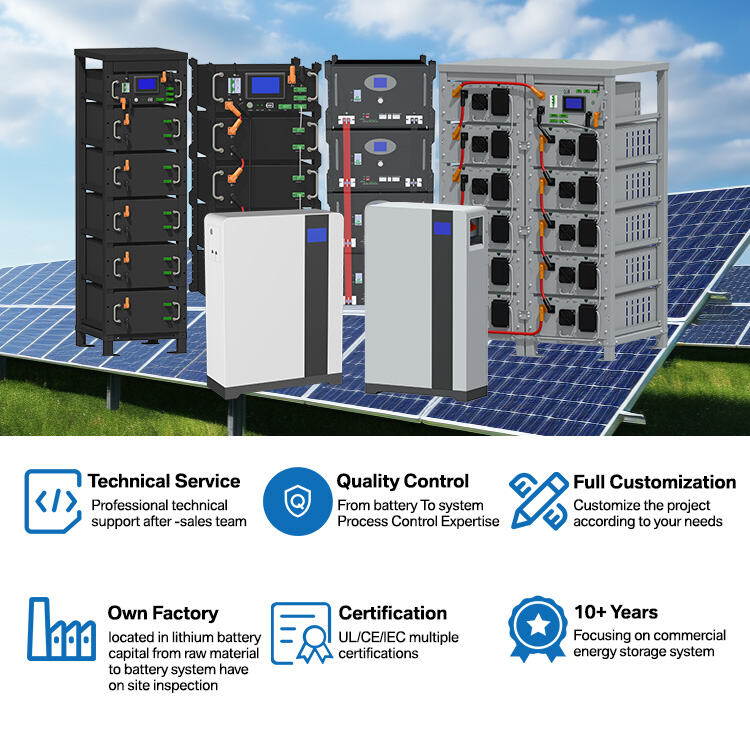
Why High-Capacity Solar Batteries Increase Energy Autonomy
Bridging the Gap: Aligning Solar Generation Peaks with Real-World Demand Patterns
Most solar panels produce their peak output around midday when the sun shines brightest. But interestingly enough, homes usually need electricity the most right after waking up in the morning and again in the late afternoon hours. This timing difference means people still have to pull power from traditional grids whenever their solar system isn't generating much. That's where big battery systems come into play. These storage units grab extra electricity made during sunny days and then release it exactly when households require it later on. Take for instance how power saved at lunchtime can run lights throughout dinner time, handle kitchen appliances, and even keep heating or cooling going strong at night. All while cutting down on regular grid usage but still maintaining all the comforts we've come to expect from modern living.
How Capacity, Depth of Discharge, and System Efficiency Determine Usable Storage Duration
Three interrelated technical factors define how long a solar battery can sustain your home:
- Capacity (kWh): The total energy the battery can store. Larger capacity enables more surplus solar to be retained for later use.
- Depth of Discharge (DoD): The percentage of capacity safely drawn before recharging. Modern lithium-ion batteries support 80−90% DoD−far exceeding legacy lead-acid systems (~50%).
- Round-Trip Efficiency: The proportion of energy retained after charging and discharging. High-quality lithium-ion systems achieve 90−95%, meaning only 5−10% is lost per cycle.
Usable storage duration is calculated as:
(Capacity − DoD) − Round-Trip Efficiency = Usable kWh
A 10 kWh battery with 90% DoD and 94% efficiency delivers 8.46 usable kWh, enough to power an average U.S. home (30 kWh/day) for 6−8 hours overnight−or longer when paired with load management. System losses from inverter inefficiency and temperature effects must be factored into real-world sizing.
Lithium-Ion Solar Battery Technologies Enabling Long-Duration Storage
LFP vs. NMC: Safety, Cycle Life, and Energy Density Trade-offs for Residential Solar Battery Systems
Residential solar storage requires balancing performance, safety, and lifetime value−two lithium-ion chemistries dominate this space:
- LFP (Lithium Iron Phosphate) excels in safety and longevity: thermally stable, with minimal fire risk and 6,000+ cycles−ideal for daily full-depth cycling. Its lower energy density (~120 Wh/kg) means larger physical footprints but superior resilience in extreme temperatures.
- NMC (Nickel Manganese Cobalt) offers higher energy density (150−200 Wh/kg), enabling compact installations where space is constrained. However, it demands robust thermal management and delivers fewer cycles (2,000−3,000), making it less cost-effective over time for high-cycling applications.
| Factor | LFP | NMC |
|---|---|---|
| Cycle Life | 6,000+ cycles | 2,000−3,000 cycles |
| Energy Density | ~120 Wh/kg | 150−200 Wh/kg |
| Safety | Stable chemistry; low fire risk | Requires advanced cooling systems |
When looking at backup solutions for multiple days, especially in areas prone to storms or off the grid altogether, lithium iron phosphate batteries stand out because they last longer and perform consistently over time, which means fewer replacements down the road. Nickel manganese cobalt batteries still have their place when space matters more than how long something will last. Both types offer around 90% efficiency when storing and releasing energy, but LFP batteries keep performing well even after going through thousands of full charge cycles. We're seeing this trend play out in real markets too. According to the latest data from 2024, lithium iron phosphate made up about two thirds of all new home battery installations last year, marking a significant jump compared to previous years according to the Energy Storage Report.
Sizing Your Solar Battery for Targeted Autonomy−From Daily Use to Multi-Day Backup
Accurately sizing your solar battery system hinges on three interdependent variables: your daily energy consumption, your target days of autonomy, and your battery’s usable specifications−primarily Depth of Discharge (DoD) and round-trip efficiency.
The core sizing formula is:
Battery Capacity (kWh) = (Daily kWh Usage − Days of Autonomy) ÷ (DoD − System Efficiency)
For instance, a home using 10 kWh per day seeking three days of backup with an LFP battery (90% DoD) and 95% system efficiency requires:
(10 − 3) ÷ (0.90 − 0.95) ∙ 35.1 kWh of installed capacity.
| Factor | Impact on Sizing | Typical Range |
|---|---|---|
| Days of Autonomy | Directly scales required capacity | 1−5 days (3−5 recommended for hurricane- or wildfire-prone regions) |
| Depth of Discharge | Higher DoD reduces required nameplate capacity | Lithium-ion: 80−90% Lead-acid: 50% |
| Local Weather & Solar Resource | Cloudy or low-sun regions require larger buffers | +20−40% capacity margin advised in Pacific Northwest or Great Lakes zones |
Lithium ion batteries allow for much deeper and safer discharges compared to those old battery tech options we used before. They basically get more usable energy out of each kilowatt hour that's installed. There was this actual case study from somewhere in the Pacific Islands where they put in high depth of discharge LFP storage systems and managed to cover all local electricity needs for three straight days when there were grid failures caused by cyclones hitting the area. When planning these systems though, don't forget to account for various losses along the way. Inverters usually eat up around 2 to maybe 5 percent of what goes through them. Temperature matters too - in really hot or cold conditions performance can drop as much as 15%. And batteries just naturally degrade over time. Getting the right size system depends heavily on what kind of risks someone is willing to take. If hospitals need reliable power for life support machines or businesses run mission critical operations, bigger systems make sense despite higher costs upfront. But for regular folks wanting to save money on their monthly bills through solar plus storage, focusing on how many times the system can be cycled efficiently becomes more important than having maximum capacity sitting unused most of the time.
Intelligent BESS Integration: Maximizing Solar Battery Utilization and Grid Resilience
Smart Charging Strategies, Solar Forecasting, and Grid-Services Arbitrage
Modern Battery Energy Storage Systems (BESS) go beyond passive backup−they actively optimize energy flow using AI-driven intelligence. Three integrated capabilities drive this evolution:
- Adaptive smart charging prioritizes solar-first replenishment during peak irradiance windows, minimizing grid draw even on partially cloudy days.
- Solar forecasting integration uses hyperlocal weather data and historical generation patterns to anticipate output, adjusting charge/discharge setpoints to increase effective usable capacity by 15−30%.
- Grid-services arbitrage leverages real-time utility pricing signals−automatically discharging during peak-rate periods (e.g., 4−9 p.m.) and recharging during off-peak or solar-rich hours−to cut bills and earn incentives.
The right approaches turn solar batteries from mere storage units into something much more valuable that actually generates income. According to research published by the Ponemon Institute last year, businesses that installed these battery energy storage systems saved around seven hundred forty thousand dollars each year on power outages and got their money back about two and a half years sooner than expected. Looking at things from another angle, when multiple BESS systems work together they help maintain stable electricity grids through functions like adjusting voltage levels, managing frequency fluctuations, and controlling how quickly power output changes. This kind of coordination makes home solar setups far more effective too, allowing families to use nearly all the electricity their panels generate throughout every single day without wasting any excess.
FAQs About High-Capacity Solar Batteries
What is the main advantage of high-capacity solar batteries?
High-capacity solar batteries allow homeowners to store surplus energy generated during peak sunlight hours and use it when demand is higher, such as in the mornings and evenings. This reduces reliance on the traditional power grid.
How does the Depth of Discharge (DoD) affect battery performance?
The Depth of Discharge (DoD) indicates how much of the battery's total capacity can be safely used before recharging. A higher DoD allows for more efficient use of battery capacity, reducing the frequency of recharging cycles.
What are the differences between LFP and NMC batteries?
LFP batteries offer superior cycle life and safety, making them ideal for environments where longevity and thermal stability are crucial. NMC batteries have higher energy density, offering compact solutions where space is limited but require more robust cooling systems.
How do intelligent BESS systems enhance solar panel utilization?
Intelligent Battery Energy Storage Systems (BESS) utilize adaptive charging strategies, solar forecasting, and grid-services arbitrage to dynamically optimize energy flows, increase storage efficiency, and reduce costs.
Table of Contents
- Why High-Capacity Solar Batteries Increase Energy Autonomy
- Lithium-Ion Solar Battery Technologies Enabling Long-Duration Storage
- Sizing Your Solar Battery for Targeted Autonomy−From Daily Use to Multi-Day Backup
- Intelligent BESS Integration: Maximizing Solar Battery Utilization and Grid Resilience
- FAQs About High-Capacity Solar Batteries