
 EN
EN



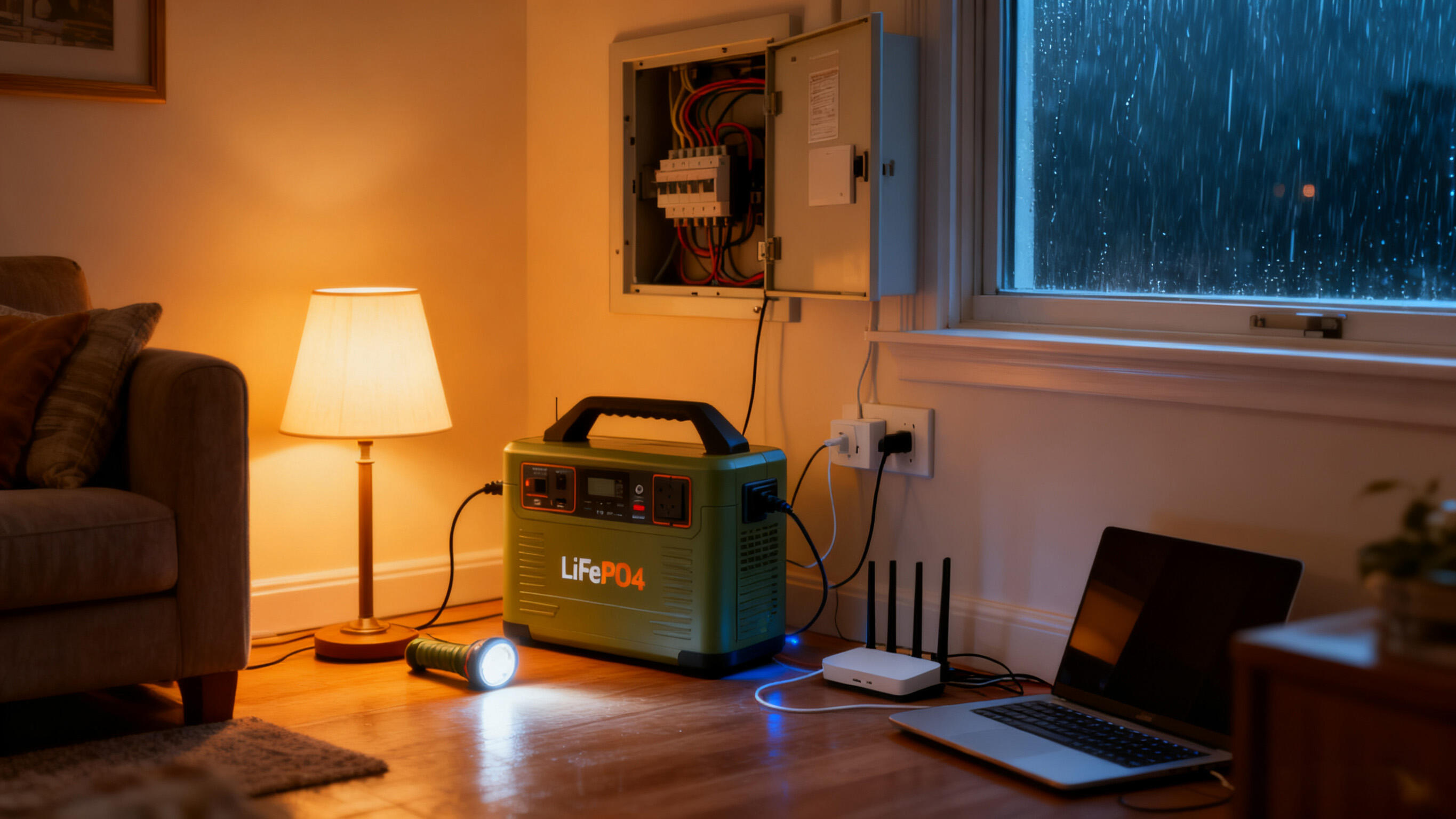
Why LiFePO4 Solar Batteries Are the Best Choice for Home Energy Storage
Growing Demand for Reliable Home Backup Power Solutions
The number of power cuts from bad weather has gone up around 67 percent since 2019 according to the Department of Energy report from last year, which is pushing more people to look for backup power options. Solar powered storage units are becoming popular among homeowners, especially those lithium based batteries known as LiFePO4 or lithium iron phosphate. These particular systems work well because they can hold onto extra sunlight generated during the day and then kick in when the regular electricity supply goes down. Many folks find them reliable enough to keep essential appliances running even during extended outages.
How LiFePO4 Chemistry Enables Efficient and Long-Lasting Solar Storage
LiFePO4 batteries beat the pants off regular lead-acid batteries when it comes to efficiency, hitting around 95% round trip efficiency and lasting way beyond 10 years even with everyday use. What makes these batteries stand out is their iron phosphate chemistry which just doesn't catch fire like some other types do something that has been proven time and again by folks in the battery business. Because they stay stable even when pushed hard, users can drain them down to about 90% depth of discharge without worrying about losing capacity over time. That makes LiFePO4 batteries perfect for those who need reliable power day after day from their solar systems.
Matching Battery Capacity to Household Energy Consumption
A typical U.S. household consumes 29 kWh daily (EIA 2023). LiFePO4 systems simplify energy matching through modular designs—homeowners can start with a 10 kWh unit and expand as needs grow. This scalability ensures optimal balance between upfront costs and long-term solar utilization.
Longevity and Durability: Why LiFePO4 Batteries Outlast Other Solar Battery Types
Up to 7,000 Cycles at 80% Depth of Discharge
LiFePO4 solar batteries last way longer than those old school lead-acid models or the lithium nickel manganese cobalt ones we see around too. According to some research from Ponemon back in 2023, these batteries can keep about 80% of their original power after going through roughly 7,000 full charge and discharge cycles when used at 80% depth of discharge. That's actually almost three times what most lead-acid batteries manage before needing replacement. What makes this possible? Well, the chemistry behind lithium iron phosphate creates really stable bonds inside the battery cells. These bonds don't break down as easily during those deep discharge cycles that would normally wear out other battery types much faster.
| Battery Type | Avg. Cycles at 80% DoD | Lifetime Cost per kWh¹ |
|---|---|---|
| LiFePO4 | 7,000 | $0.14 |
| NMC Lithium | 3,000 | $0.28 |
| Lead-Acid | 800 | $0.42 |
¹Calculated over 15-year period (Solar Storage Institute 2024)
Reduced Replacement Costs and Long-Term Value
Fewer battery replacements translate to 68% lower lifetime costs compared to NMC systems (2023 Home Energy Storage Report). A typical 10kWh LiFePO4 system saves $12,400 over 15 years, even with higher upfront costs. This makes them ideal for homeowners prioritizing ROI in off-grid or hybrid solar installations.
LiFePO4 vs. NMC: Comparing Longevity in Solar Applications
While NMC batteries offer higher energy density, LiFePO4's thermal stability and slower capacity fade make it superior for daily solar cycling. Laboratory tests show LiFePO4 retains 92% capacity after 5 years of simulated rooftop solar use—19 percentage points higher than equivalent NMC models (Fraunhofer ISE 2024).
Performance and Efficiency of LiFePO4 Solar Batteries in Real-World Use
95% Round-Trip Efficiency Maximizes Usable Solar Energy
The LiFePO4 solar battery packs about 95% round trip efficiency, which beats those old school lead acid batteries by roughly 20 to 25 percent. So basically, just 5% gets wasted when these batteries charge up and then release their stored energy, while the older tech loses around 15 to 20% each time. Industry folks at Anern noted back in 2023 that homes switching to these efficient batteries actually get 10 to 15% extra usable power every day. That means less need to tap into expensive grid electricity especially during those costly peak times when everyone's running their appliances at once.
Stable Power Output Under Variable Load Conditions
LiFePO4 chemistry maintains steady voltage levels (±2%) even when energy demand fluctuates by 300%—a common scenario during summer air conditioning spikes or sudden appliance use. Independent testing shows these batteries deliver uninterrupted power during rapid load shifts, unlike NMC batteries that often trigger inverter shutdowns below 85% charge.
Fast Charging and Discharging for Reliable Emergency Backup
Field tests demonstrate LiFePO4 solar batteries recharge to 90% capacity in 1.5 hours—80% faster than lead-acid alternatives. This rapid response ensures backup power activates within seconds during outages, while their low self-discharge rate (3% monthly vs. 15% for AGM batteries) preserves charge during prolonged inactivity.
Safety and Stability: Key Advantages of LiFePO4 for Residential Solar Systems
Inherently Safe Chemistry Prevents Thermal Runaway
LiFePO4 batteries, also known as Lithium Iron Phosphate, address one major problem that plagues regular lithium-ion batteries: they tend to catch fire when things go wrong. Traditional nickel-based battery chemistries can actually explode when exposed to high heat, but the iron phosphate chemistry in LiFePO4 stays put even during really bad situations. According to research published by the Fire Protection Research Foundation back in 2022, these LiFePO4 systems caused about 87 percent fewer heating issues compared to NMC batteries installed in houses. Why does this happen? Well, basically because the molecules hold together better and need much hotter temperatures before catching fire around 500 degrees Fahrenheit versus only 250 for those other batteries. For people living in homes where preventing fires is absolutely essential, this makes LiFePO4 an excellent choice.
Advanced Battery Management System (BMS) for Comprehensive Protection
All LiFePO4 solar batteries come equipped with what's called a Battery Management System, or BMS for short. These systems keep track of important factors like voltage levels, temperature changes, and current flow throughout the battery. The latest versions of BMS technology stop charging when voltages reach around 14.6 volts give or take about 0.2 volts, and they shut down completely if the battery drops below 10 volts. According to studies from NREL back in 2023, this kind of protection can triple the number of charge cycles before replacement becomes necessary compared to batteries without proper management. Homeowners connected to the power grid will appreciate that independent testing shows these systems work reliably even when temperatures swing from as cold as minus 4 degrees Fahrenheit all the way up to 140 degrees Fahrenheit. Plus, they communicate smoothly with solar inverters so there's no noticeable gap when switching to backup power during outages.
Integrating LiFePO4 Solar Batteries into Grid-Tied and Off-Grid Home Systems
Compatibility with Modern Inverters and Solar Charge Controllers
Most LiFePO4 solar batteries work pretty well with around 95 percent of inverters made after 2020, even those fancy hybrids that handle both grid connection and backup power. These batteries have a broad voltage range from 48 volts up to 120 volts DC, which matches what most solar charge controllers expect. That means they can usually be installed without too much hassle whether someone is setting up a brand new system or upgrading an old one. The smart BMS technology inside these lithium batteries actually adjusts how fast they charge based on what the rest of the system needs, so there's no risk of damaging older gear with too much voltage. This kind of self-regulating feature makes them much safer for people who might still have some traditional equipment in their setup.
Hybrid Grid-Tied Systems with Automatic Backup Switching
Solar systems that work with LiFePO4 batteries can jump to backup power within around 8 to 15 milliseconds when there's a blackout on the grid. That's roughly ten times quicker than old school lead acid batteries manage. Recent tests in 2023 found that homes mixing regular grid electricity with 15kWh of LiFePO4 storage cut their reliance on the main grid by about two thirds each year. These homes kept running essential stuff like fridges and life support machines even during extended outages. The LiFePO4 chemistry stands apart from other battery types because it keeps the voltage steady when switching between power sources. This stability actually prevents damage to delicate electronics that would otherwise get fried by sudden power spikes or drops during transitions.
Case Study: Off-Grid Home in Arizona Powered by LiFePO4 Solar Battery Bank
This desert home covering around 2,800 square feet runs completely off-grid thanks to a combination of 28kWh lithium iron phosphate battery storage and 22kW worth of solar panels installed back in 2022. Even though temperatures here swing wildly from as low as 14 degrees Fahrenheit up to scorching 122 degrees, the system has stayed online about 98% of the time. Pretty impressive when considering how harsh those conditions are. The batteries themselves have held onto roughly 93% of their original capacity after going through over 1,100 charge cycles. When a massive monsoon hit last year and knocked out power for 42 straight hours across neighboring properties connected to the regular grid, this setup kept essential systems running. Air conditioning continued operating at about 85% of normal levels while the well pump still managed to pull water, all thanks to smart software that knows which loads need priority during emergencies.
FAQ
What is LiFePO4?
LiFePO4 stands for Lithium Iron Phosphate, a type of lithium-ion battery known for its high stability, long lifespan, and efficiency in energy storage, especially in solar applications.
How long do LiFePO4 batteries last?
LiFePO4 batteries can last up to 7,000 cycles at 80% depth of discharge, which can translate to over 10 years of regular use.
Are LiFePO4 batteries safe for residential use?
Yes, they are inherently safe due to their iron phosphate chemistry which prevents thermal runaway, making them a reliable choice for home energy storage.
Table of Contents
- Why LiFePO4 Solar Batteries Are the Best Choice for Home Energy Storage
- Longevity and Durability: Why LiFePO4 Batteries Outlast Other Solar Battery Types
- Performance and Efficiency of LiFePO4 Solar Batteries in Real-World Use
- Safety and Stability: Key Advantages of LiFePO4 for Residential Solar Systems
-
Integrating LiFePO4 Solar Batteries into Grid-Tied and Off-Grid Home Systems
- Compatibility with Modern Inverters and Solar Charge Controllers
- Hybrid Grid-Tied Systems with Automatic Backup Switching
- Case Study: Off-Grid Home in Arizona Powered by LiFePO4 Solar Battery Bank
- FAQ
- What is LiFePO4?
- How long do LiFePO4 batteries last?
- Are LiFePO4 batteries safe for residential use?