
 EN
EN



Core Components of Off-Grid Solar Systems: Building Blocks for Energy Independence
Solar Panels and Energy Generation in Off-Grid Residential Setups
At the heart of any off grid solar setup lies the solar panel itself, which takes sunlight and turns it into direct current electricity. When looking at different panel types, monocrystalline models typically hit around 20 to 22 percent efficiency rates. These work best when there isn't much room on the roof for equipment. Polycrystalline panels come in at roughly 15 to 17 percent efficiency but tend to be cheaper, so they're popular among folks watching their budgets. For those living in open country spaces, ground mounted systems generally get better sun exposure than anything else. On the flip side, mounting panels directly onto roofs makes sense where space is tight, though this approach follows standard guidelines found throughout most off grid solar system designs today.
Charge Controllers and Inverters: Ensuring Stable Power Conversion
MPPT charge controllers generally work better than PWM ones since they can reach around 95% efficiency when converting energy, constantly tweaking voltage levels to fit what the batteries need at any given moment. Then there are inverters which take direct current from solar panels and turn it into standard household electricity at either 120 or 240 volts. Most newer models keep their efficiency pretty high too, somewhere between 90% and almost 95% when actually powering things. Both these parts help keep the electrical system stable so nothing gets damaged, especially important for homes that run entirely on sunshine. Without them, delicate electronics would be at risk every time weather conditions change or panels produce varying amounts of power throughout the day.
Battery Storage (LiFePO4 vs. Lead-Acid): Capacity, Lifespan, and Efficiency
LiFePO4 batteries have become pretty much the go-to choice for off grid systems these days because they last around 5,000 cycles and can be discharged down to 80%. That's way better than old fashioned lead acid batteries which only manage about 1,200 cycles before needing replacement and typically shouldn't be discharged beyond 50%. Sure, lithium ion systems do come with a price tag that's roughly two to three times what lead acid costs upfront. But when looking at the bigger picture, these lithium batteries tend to last between ten and fifteen years, which means replacing them costs anywhere from forty to sixty percent less over time. We've seen some interesting setups where people mix LiFePO4 cells with their existing lead acid banks. This approach helps strike a balance between getting good performance while keeping costs manageable during the transition period.
Integrated ESS and System Durability in Harsh Climates
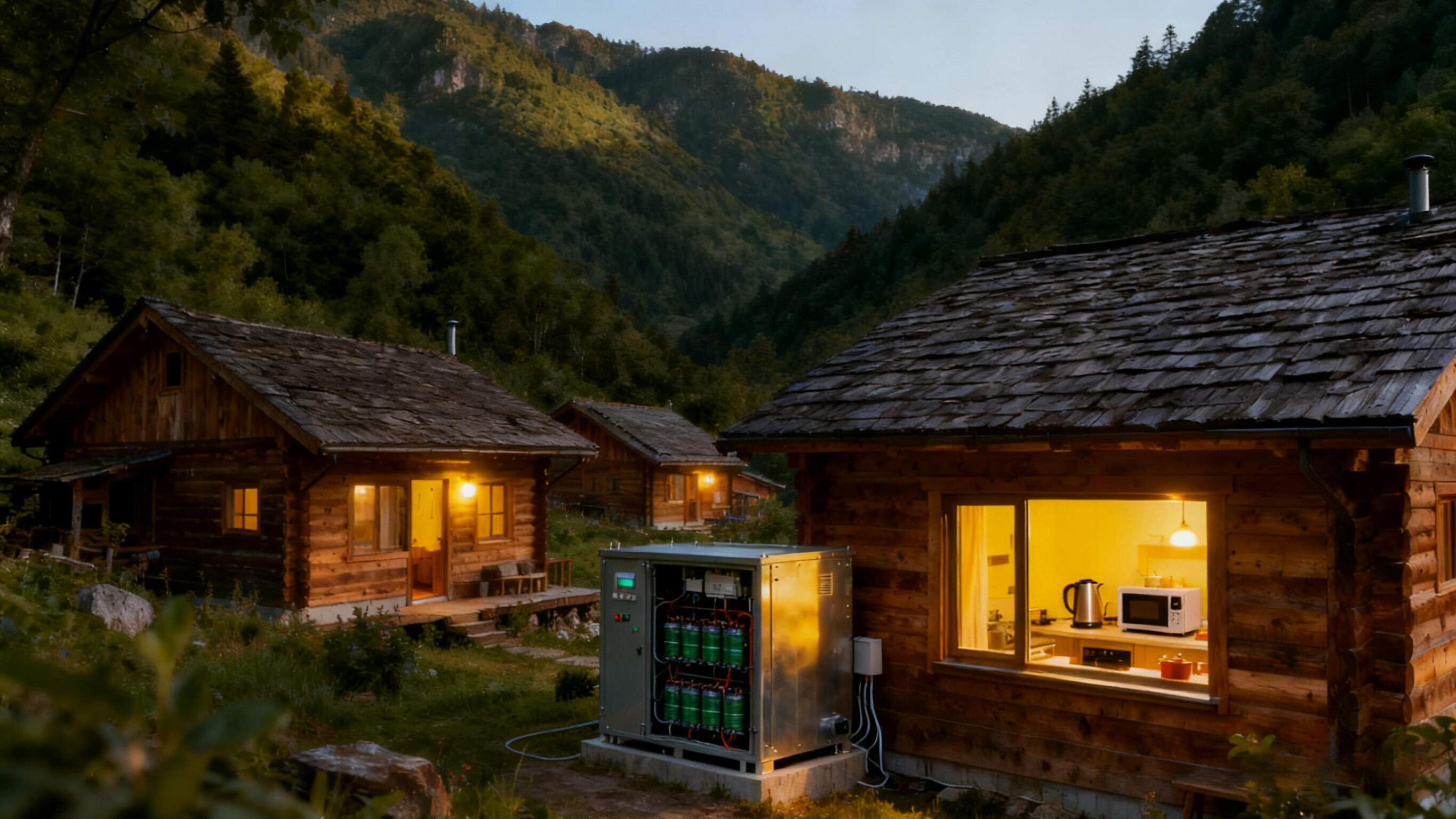
Energy storage systems combine battery packs with temperature control and charging mechanisms inside tough, weatherproof cases. The sealed lithium ion cells work well across a wide range of temperatures, from as cold as minus 20 degrees Celsius all the way up to 60 degrees. Special coatings on panels resist UV damage, so these systems can handle harsh conditions whether they're sitting in deserts or near saltwater coastlines. Another big plus is the modular design. When parts need replacing, technicians can swap them out without shutting down the whole system. This matters a lot when reliable power is needed in places where getting service might be difficult or dangerous.
Energy Load Assessment and System Sizing for Reliable Off-Grid Power
Assessing Energy Requirements: Calculating Watt-Hour Needs for Remote Homes
Getting energy planning right starts with figuring out how many watt-hours (Wh) something uses each day. The basic math is simple enough: multiply the power rating in watts by how long it runs. Take a fridge rated at 100 watts that operates around 8 hours a day – that adds up to roughly 800 watt-hours consumed daily. Most experts suggest throwing in an extra 20 to 30 percent just to be safe. Why? Because sunshine doesn't always cooperate, especially when seasons change. This buffer helps keep power flowing consistently even on those cloudy days when solar panels aren't performing at their peak. The 2023 Off Grid Solar Design Handbook actually covers this exact point in detail, but real world experience shows these margins make all the difference between having enough juice and facing unexpected shortages.
Energy Audit Techniques for Rural Residential Load Profiling
Doing a thorough audit means going through every electrical device in the house, noting down what wattage they draw and when people actually use them most often. There are various tools available for this task including load tables and those handy little energy meters that track electricity usage over time. These gadgets are especially good at spotting those sneaky standby power drains we call "phantom loads," which might not seem like much individually but together can eat away at around ten percent of our overall power bill. For folks living off the grid, figuring out which appliances truly matter becomes really important. Things like basic lighting, keeping food cold, and staying connected via radios or satellite phones should come first when planning solar panel systems or other renewable energy solutions. This kind of prioritization makes it easier to size the right equipment while still keeping costs manageable for budget conscious homeowners.
Design and Sizing of Off-Grid Systems to Match Household Demand
Effective system design depends on three key factors:
- Daily Energy Demand: Total Wh derived from audit results
- Days of Autonomy: Battery capacity needed to cover 2–5 days of cloudy weather
- Surge Capacity: Inverter size must accommodate peak loads (e.g., water pumps drawing 3– their rated wattage)
For example, a household consuming 5kWh daily with 3 days of autonomy requires a 15kWh battery bank. In regions averaging 4 sun hours per day, this would be paired with approximately 1.2kW of solar panels.
Scalability and Resilience of Off-Grid Systems for Growing Residential Needs
Modular designs using standardized components enable seamless expansion. A family adding new appliances can upgrade solar capacity from 1.2kW to 2kW and increase battery storage from 15kWh to 20kWh without overhauling core infrastructure. This flexibility ensures long-term resilience against changing energy demands and environmental stressors.
Solar Panel Efficiency and Placement: Maximizing Energy Harvest in Remote Locations
Climate and Solar Irradiance Considerations for Optimal Panel Placement
The amount of electricity produced by solar panels in remote areas really depends on where they're installed and how much sunshine hits them each day. Places near the equator generally get around 25 to 35 percent more sunlight throughout the year compared to places further north or south, based on recent numbers from NREL back in 2023. If someone wants their off-grid system to work properly, the location needs to average at least 4.5 hours of strong sunlight per day. This number comes from looking at worldwide solar radiation charts. Real world testing has found something interesting too. Take two exactly the same solar setups one placed in the super sunny Atacama Desert in Chile gets about 6.8 hours of good light daily while another similar setup in the often cloudy hills of Indonesia only produces about 40% less power despite being the same equipment.
Tilt Angle, Shading, and Orientation Strategies for Peak Efficiency
Getting solar panels positioned correctly makes a big difference in how much power they generate, typically boosting output somewhere between 18% and 25%. For folks living north of the equator, panels facing south work best when angled anywhere from about 15 degrees to 40 degrees depending on where exactly they live. Some places like Alaska actually adjust their panels seasonally, which can really help during winter months increasing production by around 32% over panels that stay fixed in one position all year long. Something else worth noting is that even small amounts of shade matter a lot. Just having 10% of a panel covered can cut overall energy production nearly in half for systems wired together in strings. That's why finding spots free from obstructions remains so important for anyone wanting to get the most out of their solar investment.
Durability of Solar Panels Under Extreme Weather Conditions
The equipment for off grid systems has to handle some pretty harsh conditions. We're talking about temperatures ranging from -40 degrees Fahrenheit all the way up to 120 degrees, wind speeds exceeding 100 miles per hour, and even hail storms. Panels made with bifacial design and tempered glass have shown remarkable durability, surviving hail impacts with about 99% success rate when tested against 25mm ice balls moving at 88mph. According to research from the Fraunhofer Institute back in 2023, solar panels that use EVA encapsulation maintained around 97% of their original efficiency after sitting through 15 years of desert conditions in Saudi Arabia. That's significantly better than those sealed with polyurethane, which lagged behind by roughly 23%. Thermal testing also shows these panels can take over 200 cycles of extreme temperature changes without cracking internally, something most manufacturers consider a major achievement in durability standards.
Battery Technology Comparison: LiFePO4 vs. Lead-Acid for Long-Term Reliability
Cycle Life, Depth of Discharge, and Maintenance: LiFePO4 Advantages
LiFePO4 batteries last way longer than most alternatives while providing better usable capacity and almost no maintenance headaches. These lithium iron phosphate cells can handle around 3,000 to 5,000 charge cycles, which is roughly ten times what we see from traditional lead-acid batteries that typically manage only 300 to 500 cycles before needing replacement. What makes them even more impressive is their depth of discharge capability reaching between 90% and 100%. This means users get nearly twice as much usable energy out of each battery compared to the 50% limit found in standard lead-acid options. And let's not forget about maintenance requirements either. Flooded lead-acid units need constant attention with water top-offs and terminal cleanings, whereas LiFePO4 systems just work without any fuss or additional care over time.
| Metric | LiFePO4 | Lead-Acid |
|---|---|---|
| Cycle Life | 3,000–5,000 cycles | 300–500 cycles |
| Depth of Discharge | 90–100% | 50% |
| Weight (per kWh) | ~4 kg | ~8 kg |
| Maintenance | None | Regular monitoring |
Cost Implications and Longevity of Lead-Acid Batteries in Remote Areas
While lead-acid batteries have a lower upfront cost ($150–$300/kWh versus $400–$800/kWh for LiFePO4), their shorter lifespan (3–5 years in harsh climates) leads to frequent replacements. In remote locations, where logistics and transportation increase costs, this adds significant long-term financial burden.
Controversy Analysis: Upfront Cost vs. Long-Term Savings in Battery Selection
Despite a 2–3x higher initial investment, LiFePO4 systems deliver superior lifetime value. Their extended service life translates to 40–60% lower total ownership costs over time, according to a 2023 solar energy report. This advantage is especially pronounced in isolated regions where battery delivery and installation expenses amplify replacement impacts.
Role of Battery Choice in Overall Solar Energy System Performance
Battery selection directly affects system reliability and efficiency. LiFePO4 achieves 95–98% round-trip efficiency, far exceeding lead-acid’s 80–85%. This means more of the harvested solar energy is available for use—critical during extended cloudy periods when every kilowatt-hour counts.
Real-World Impact and Economic Sustainability of Off-Grid Solar Energy
Electrification of Remote Homes and Villages Through Solar Microgrids
Right now, off grid solar microgrids are providing electricity to around 22 million homes worldwide according to the International Energy Agency report from last year. This is especially true in remote regions where connecting to the main power grid would cost about $740 per kilowatt hour as noted by Ponemon Institute studies two years back. These local power solutions let communities skip over old infrastructure problems while still getting essential services like lights at night, phone charging stations, and even running small farming equipment. A recent look at energy availability across different regions shows something interesting too. Villages that switched to solar power saw their access to reliable electricity jump by nearly half when compared with places still dependent on noisy diesel generators.
Case Study: Off-Grid Solar Deployment in Sub-Saharan African Villages
In Tanzania, a 50-kW solar microgrid reduced household energy costs by 63% and enabled vaccine refrigeration and food preservation. The World Bank estimates that electrified communities in sub-Saharan Africa see a 30% rise in average income due to longer productive hours and reduced fuel spending.
Benefits of Off-Grid Solar for Rural Electrification: Lighting, Appliance Use, and Safety
- Lighting: Replaces kerosene lamps, eliminating 4.3 tons/year of CO2 emissions per household (WHO 2023)
- Appliance Use: Powers water pumps, saving women and children an average of 14 labor hours per week
- Safety: Solar street lighting has been linked to a 42% reduction in nighttime crime in off-grid Kenyan villages (UN Habitat 2023)
Impact on Education and Quality of Life in Off-Grid Communities
Schools equipped with solar power report 27% higher student enrollment and a 53% increase in evening study time. A 2023 Community Development Study found that solar-electrified clinics improved maternal healthcare outcomes by 38% through reliable operation of medical devices.
Long-Term Cost Savings and Economic Models for Low-Income Regions
The average 3-kW off-grid system costs $4,200 upfront but achieves 92% cost recovery within seven years through avoided fuel expenses (IRENA 2023). Pay-as-you-go financing has expanded access to 12 million users in East Africa, transforming solar energy from a charitable intervention into a sustainable, market-driven solution.
FAQ
What are the main components of an off-grid solar system?
Off-grid solar systems primarily consist of solar panels, charge controllers, inverters, and batteries for energy storage.
Why are LiFePO4 batteries preferred over lead-acid batteries?
LiFePO4 batteries offer longer cycle life, higher depth of discharge, and require less maintenance compared to lead-acid batteries, making them more beneficial for long-term use.
What factors determine the efficiency of solar panels?
Solar panel efficiency is influenced by factors like panel type, tilt angle, shading, climate conditions, and geographic location.
How does off-grid solar power benefit remote communities?
Off-grid solar power provides reliable electricity supply, reduces fuel costs, improves safety, enhances education opportunities, and supports agricultural activities in remote communities.
Table of Contents
- Core Components of Off-Grid Solar Systems: Building Blocks for Energy Independence
- Energy Load Assessment and System Sizing for Reliable Off-Grid Power
- Solar Panel Efficiency and Placement: Maximizing Energy Harvest in Remote Locations
- Battery Technology Comparison: LiFePO4 vs. Lead-Acid for Long-Term Reliability
-
Real-World Impact and Economic Sustainability of Off-Grid Solar Energy
- Electrification of Remote Homes and Villages Through Solar Microgrids
- Case Study: Off-Grid Solar Deployment in Sub-Saharan African Villages
- Benefits of Off-Grid Solar for Rural Electrification: Lighting, Appliance Use, and Safety
- Impact on Education and Quality of Life in Off-Grid Communities
- Long-Term Cost Savings and Economic Models for Low-Income Regions
- FAQ