
 EN
EN



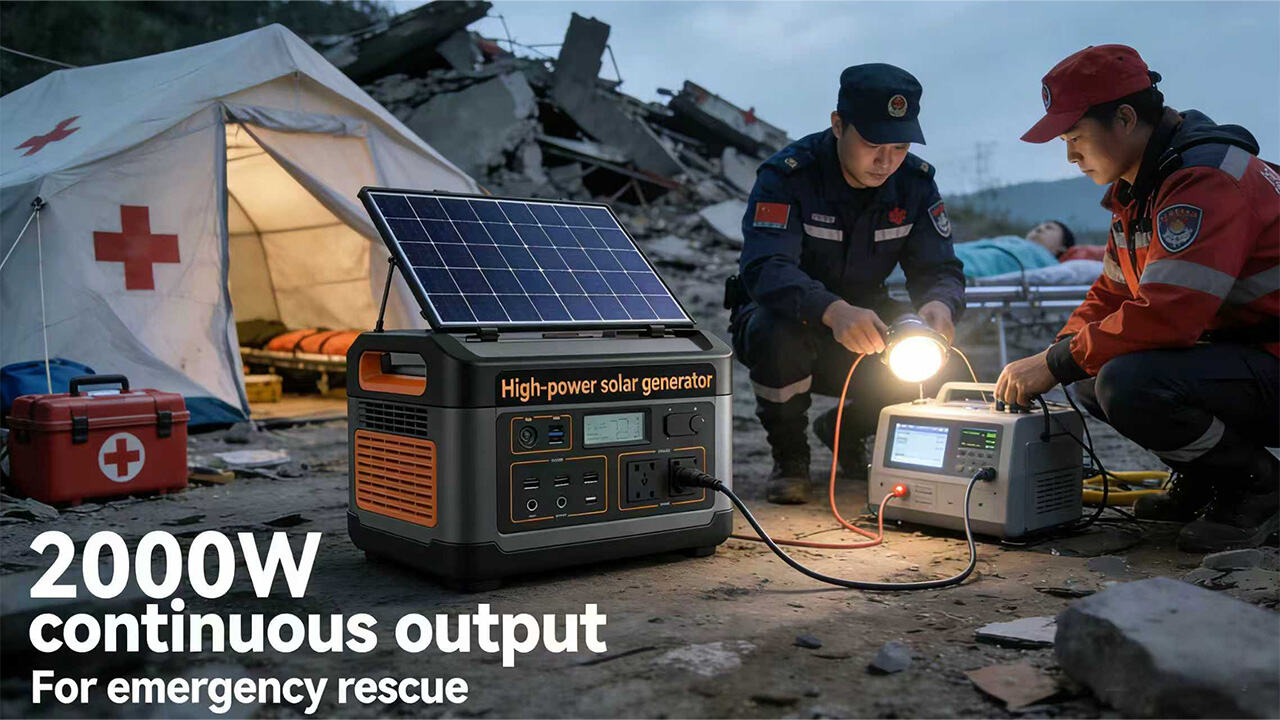
Critical Power Delivery: Matching Solar Generator Output to Rescue Equipment Needs
Real-World Load Profiles: CPAP Machines, Satellite Radios, LED Field Lighting, and Medical Devices
Getting the right power match is absolutely essential when running rescue operations with all the necessary equipment. Take CPAP machines for instance they typically need between 50 to 100 watts nonstop while satellite radios will eat up around 60 to 150 watts whenever transmitting. The high intensity LED lights used in the field require roughly 100 to 300 watts each unit, and those portable ultrasound gadgets can spike as high as 250 watts at times. When trying to run all these devices together, the power demands become complicated and layered, often surpassing 1000 watts in actual rescue situations out there. Solar generators have to maintain steady voltage and consistent frequency through all this mixed load of medical gear, communication tools, and lighting equipment. Even small drops or surges in power could knock out critical life saving devices during emergencies. According to recent research published in the Rescue Tech Journal last year, nearly four out of five power failures in rescue missions happen because generators simply cannot handle multiple devices running at once.
Sustained vs. Peak Output: Why True 3000W+ Continuous Power Matters More Than Surge Ratings in Rescue Scenarios
When looking at power specs, surge ratings are basically just marketing fluff what really matters is how much continuous power something can actually deliver day after day. Take medical refrigeration units for example they need at least 300 watts constantly running to keep things like insulin and blood plasma properly chilled around the clock. Then there's ventilators which typically need somewhere between 150 to 500 watts non stop. Even a brief power drop of just five seconds could have serious consequences for patients relying on these machines. That's why having genuine 3000 watt plus continuous output becomes so important when several big power hungry devices kick in all at once. This happens quite often during nighttime hours when lights stay on, communication equipment runs continuously, and various medical devices operate simultaneously. Consumer level generators tend to cut back power when they get hot but industrial grade solar powered alternatives built for 72 hour straight operation keep delivering without faltering. These specialized units prevent those dangerous chain reactions where one system failure leads to another in emergency situations where every second counts.
Rugged, Rapid-Deployable Solar Generator Design for Harsh Rescue Environments
IP65+ Enclosures, Drop Resistance, and Thermal Stability in MyGrid 10K and EcoFlow Delta Pro 3
Hardware used in rescue operations needs to handle extreme conditions without fail. The IP65+ rating means equipment stays protected from dust getting inside and can withstand powerful water jets, something that really matters when dealing with monsoons, flash floods, or those brutal desert sandstorms we all know too well. Equipment should also survive drops from around 1.5 meters high since accidents happen frequently at disaster sites filled with debris and unstable ground. Temperature ranges matter too. Most gear works reliably between -20 degrees Celsius down to 50 degrees Celsius (-4 Fahrenheit to 122 Fahrenheit). This matters because medical devices like ventilators, communication systems such as satellite radios, and various diagnostic tools need stable power regardless of whether temperatures plummet during a snowstorm or spike during a heatwave. None of these specs are just nice additions to a product spec sheet. They represent essential design choices that keep life-saving equipment running when every second counts and environmental challenges literally determine if systems stay online or go offline.
Mobility Optimized: Sub-45 kg High-Power Solar Generators for Urban Search-and-Rescue Teams
When responding to disasters in cities, time is literally money - sometimes lives depend on how fast help arrives. Lightweight solar generators weighing less than 45 kg (about 99 pounds) mean rescue crews of just two people can set up powerful 3000 watt plus systems even when buildings have fallen down or roads are blocked by rubble. These units come equipped with wheels for mobility, strong handles designed for comfort during transport, and small enough size so they won't get stuck anywhere tight. Because of these features, emergency workers can quickly establish critical services like temporary lighting for operations, portable water filters for survivors, or backup electricity for communication hubs right after reaching the scene. The impressive balance between portability and output makes all those usual obstacles work in favor of rescuers instead of holding them back, particularly during events like major quakes or structural failures where seconds matter most to save people trapped inside damaged buildings.
Solar Recharging Performance: Speed, Efficiency, and Reliability in Off-Grid Emergencies
High-Voltage PV Input (400W+) and >98% MPPT Efficiency for Rapid Daylight Recharge
When stuck off the grid during an emergency situation, how fast something charges matters a lot. Solar generators that take in at least 400 watts work pretty well, typically getting fully charged within four to eight hours of daylight. That makes them good options for staying powered up over several days without needing access to regular electricity. What really helps these systems perform so well are those MPPT controllers with efficiencies above 98 percent. These smart little devices constantly tweak voltage levels and current flow to squeeze out every bit of energy possible from whatever sunlight is available. Tests show MPPT tech grabs around 30% more usable power compared to older PWM methods, which becomes super important when dealing with early morning light, cloudy skies, or partially shaded panels. Going with higher voltage inputs also cuts down on energy loss through long cables, something that keeps things efficient even when equipment needs to be spread out over larger areas in the field.
Lithium Iron Phosphate (LiFePO₄) Batteries: 6000+ Cycles and –20°C Operation for Extended Disaster Response
How long batteries last and how they perform in cold weather really matters when missions need to go on for extended periods. Take LiFePO4 batteries for example these can handle over 6,000 complete charge cycles which means they last about three times longer than regular NMC batteries. Even better, they still hold around 80 percent of their original capacity after ten whole years. This kind of durability makes all the difference in situations where getting new batteries isn't an option. Cold weather performance is just as important too. Standard lithium ion batteries tend to fall apart when temperatures drop below freezing point but LiFePO4 keeps working reliably even at minus 20 degrees Celsius (that's about minus 4 Fahrenheit). Some major battery maker did tests simulating blizzard conditions and found that their LiFePO4 cells kept 96 percent of their usable power after sitting in those extreme temps for two whole days straight. Makes sense why these batteries are becoming so popular for search and rescue teams operating in Arctic conditions, equipment used high up in mountainous regions, or any situation where winter storms might strike unexpectedly.
FAQ
What is an IP65+ enclosure?
An IP65+ enclosure provides protection from dust and water, making it suitable for harsh conditions like monsoons and sandstorms.
Why is continuous power output more important than surge ratings in rescue scenarios?
Continuous power output ensures all devices function properly without interruptions, which is vital in rescue scenarios to avoid system failures.
How does an MPPT controller improve solar power efficiency?
MPPT controllers optimize voltage and current levels to extract maximum energy from sunlight, improving power efficiency by about 30% compared to older technologies.
What are the advantages of Lithium Iron Phosphate (LiFePO₄) batteries?
LiFePO₄ batteries last longer, with over 6,000 charge cycles, and work efficiently in cold conditions compared to standard lithium-ion batteries.