
 EN
EN



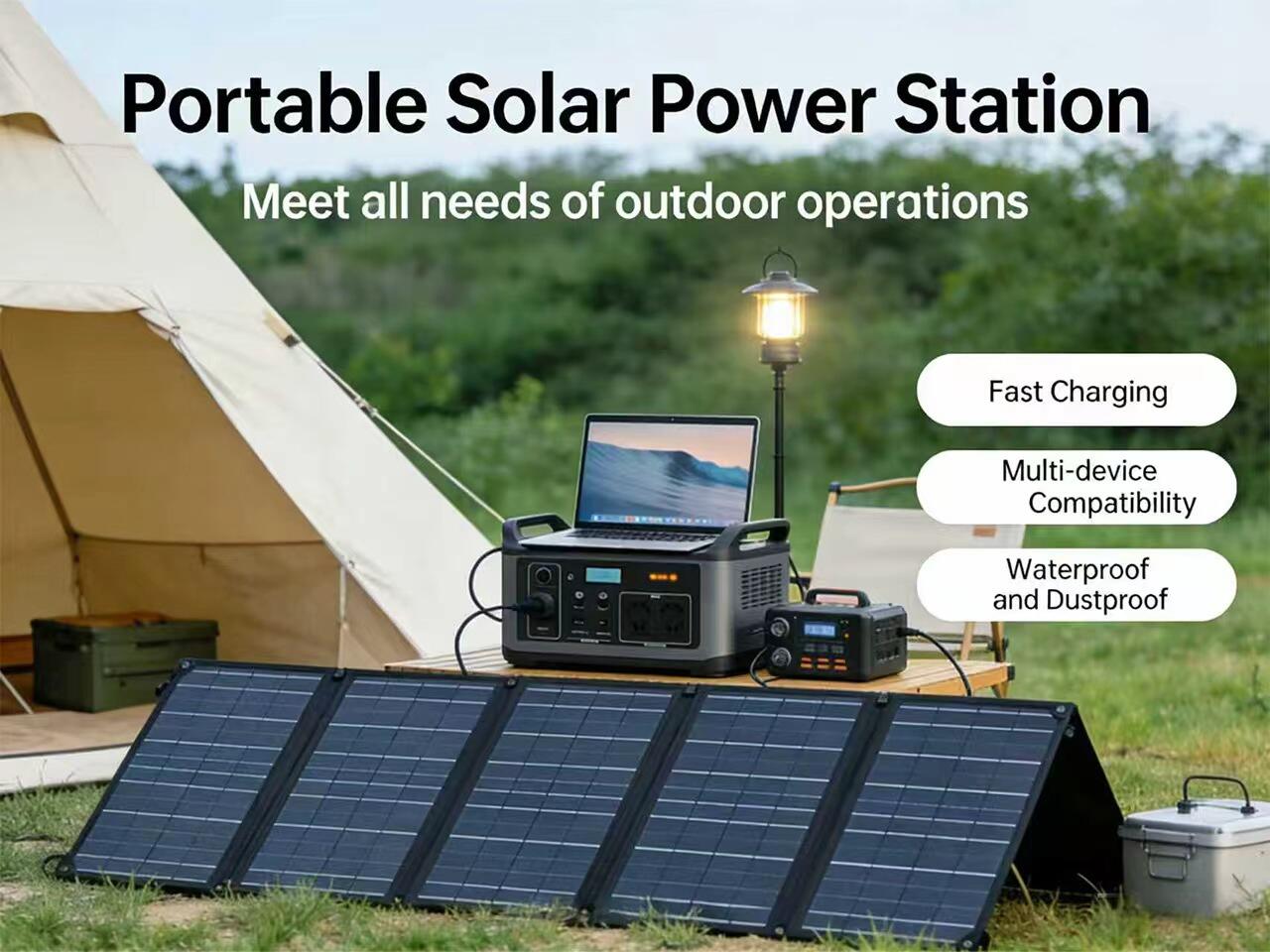
Sizing Your Portable Power Station for Real-World Field Demands
Matching Wattage and Wh Capacity to High-Draw Tools and Instruments
Matching a power station's specs to what the equipment actually needs is essential if we want to avoid problems when working out in remote areas. The first step? Figure out what maximum wattage will be needed at any given moment. Just add up all the running watts from whatever tools are going to run together. Take industrial floodlights at around 300 watts combined with a rotary hammer drill needing about 1200 watts gives us roughly 1500 watts as a baseline for continuous operation. But here's something important to remember about those big torque tools they often need 2 to 3 times their normal wattage just when turning on. That means our 1200 watt drill might actually pull close to 3600 watts for a short time. So whatever power station we choose needs to handle these surge demands too, not just the regular load.
When looking at power systems, it makes sense to compare the watt-hour capacity with how long we actually need it to run. Take for example a 1000Wh battery trying to power something that draws 400 watts continuously. Accounting for about 15% losses from the inverter plus some drop off in battery performance over time, this setup would give around two hours of actual runtime. Industry workers know better than to go right at the numbers though. Most experienced technicians recommend going for batteries with an extra 20 to 30% capacity beyond what calculations suggest. Why? Well, first there are always those surprise power draws nobody anticipated. But more importantly, batteries don't last forever. Their ability to hold charge drops significantly after hundreds of charge cycles, so having that buffer ensures things keep working when they need to, even as the battery ages through its 500 plus charge life cycle.
Runtime Estimation for Critical Electronics: Laptops, GPS, Drones, and Spectrometers
Getting accurate estimates for how long a device will run depends on looking at what the device itself consumes plus all the outside factors that affect it. Cold weather really takes a toll on batteries. Lithium ion cells start losing around 10% of their usable power for every 10 degrees Celsius drop below 20 degrees, and things get much worse when temperatures actually go below freezing point. When calculating expected runtime, most experts recommend building in about a 25% safety margin. This accounts for those inevitable temperature surprises, changes in screen brightness settings, regular calibration needs, and occasional power spikes that happen during operations like launching drones or running other high intensity functions.
| Device | Avg. Wattage | Field Use Case Considerations |
|---|---|---|
| Rugged Laptop | 60–90W | Screen brightness and background apps impact draw |
| Surveying GPS | 8–12W | Continuous operation during mapping or geotagging |
| Industrial Drone | 100–150W | Charging time vs. flight time ratios affect net energy demand |
| Soil Spectrometer | 45–70W | Warm-up periods and spectral calibration increase short-term draw |
To estimate daily Wh needs: multiply each device’s wattage by its expected active hours, sum totals, then add the 25% buffer. For example, running a 90W laptop and 50W spectrometer for 6 hours requires (90 × 6) + (50 × 6) = 840Wh—plus 210Wh buffer = 1,050Wh minimum usable capacity.
Solar-First Charging: Optimizing Portable Power Station Uptime Off-Grid
MPPT vs. PWM Controllers: Maximizing Solar Harvest in Variable Conditions
When working with solar power setups, the type of controller makes all the difference in how much actual energy gets harvested from those panels, which means everything for keeping operations running smoothly out in the field. Maximum Power Point Tracking controllers work differently than Pulse Width Modulation ones by constantly tweaking both voltage and current levels. Field tests show these MPPT controllers can pull around 30% more usable power from the same panels, particularly when dealing with messy real world situations we all know too well – like when half the array is in shadow while another part catches sunlight, or when clouds roll across quickly changing light conditions throughout the day. The extra juice matters a lot when there's no way to get fresh batteries delivered. Think about remote drone missions or scientific instruments needing complete charge before heading out on important data collection tasks. Another big plus? MPPT controllers handle mismatched voltages between different panels and battery banks without breaking a sweat. This tolerance allows technicians to build solar arrays that grow over time without worrying about perfect matching requirements, something that becomes super valuable in locations where weather patterns are anything but predictable.
Multi-Source Charging (Solar + AC + Vehicle) for Continuous Workflow
Keeping operations running nonstop requires smart recharging strategies beyond simple backup systems. Field crews who stay out there longer rely heavily on solar panels as their main power source when working away from grids. They also plug into AC outlets whenever they make quick stops back at base camp since many devices can jump from empty to 80% charge in less than an hour. And don't forget about those 12 volt car chargers that keep equipment powered while moving from job site to job site. Today's advanced power stations handle all these different energy sources automatically. Solar gets priority during daylight hours obviously, then switches to wall power at night or when bad weather hits. The vehicle charging feature keeps things going without completely draining the truck's own battery. With this kind of mixed approach, workers won't face any downtime even if sun conditions are unpredictable over several days straight.
Why Portable Power Stations Deliver Superior On-Site Reliability
Old school gas generators create real problems for people working in the field. The loud noise makes it hard to talk, messes with animal tracking efforts, and just generally gets in the way when interacting with local communities. Then there's the issue of exhaust fumes that can't be tolerated inside places like mobile laboratories or emergency shelter setups where clean air is essential. And let's not forget about all the headaches involved with managing fuel supplies. Transporting them around, finding safe storage spots, dealing with potential spills, and watching out for fuel that goes bad over time adds so much extra cost, hassle, and risk to operations.
Portable power stations today get around those limitations thanks to their quiet running and clean emissions plus they're built tough enough for rough handling. Models ranging from 1000 to 3000 watt hours can handle pretty much anything that draws serious power like power drills, lab equipment, even small air compressors on site. The built in pure sine wave inverters protect delicate gear from weird electrical fluctuations or sudden voltage jumps that could damage them. These units also come with good thermal controls and IP65 protection ratings so they work reliably whether it's freezing cold at minus 20 degrees Celsius or sweltering hot up to 60 degrees, and they hold up fine in rain or dust too. What really matters though is how well they play with solar panels when connected through those fancy MPPT charge controllers. This setup means total freedom from gas tanks and fuel lines, no waiting for deliveries, and absolutely zero downtime because someone forgot to stock up on diesel somewhere.
Key Selection Criteria for Professional Outdoor Use
Durability, Portability, and IP-Rated Protection for Rugged Environments
Power stations used in the field get hit with way more wear and tear than what regular consumers experience. Think about all that happens when they're moved around constantly - loading them up, unloading again, vibrations while being transported, plus dealing with dust blowing in, rain getting everywhere, and temperatures swinging between scorching hot and freezing cold. When shopping for one of these, focus on models with at least IP54 protection ratings. These enclosures keep out dust particles and handle water splashes no matter where they come from, making them ideal for rough environments like construction zones or when taking soil samples for environmental studies. Don't be fooled by marketing terms like "rugged" either. What really counts are things like reinforced plastic casings, those corner guards that absorb shocks, and good quality latches that actually stay closed. Weight distribution is another key factor too. Units weighing less than 30 pounds generally work best, especially if they have comfortable handles and their weight is evenly distributed so they don't feel top heavy. According to tests done last year by the Outdoor Power Equipment Institute, professional grade units can take about three times as much punishment from drops and vibrations compared to regular consumer models, which explains why they fail less often in actual field conditions.
Smart Monitoring, App Integration, and Remote Power Management
Having real time info on power status changes everything for technicians who used to spend hours fixing problems after they happened. Most top tier professional units come with Bluetooth and Wi-Fi apps that show how much runtime is left, what each outlet is drawing in watts right now, past energy usage patterns, and even details about battery condition like how many times it's been charged and roughly how long it will last. Field crews can shut off outlets that aren't essential once the battery gets low enough (say around 20%) so they save juice for important stuff like GPS tracking, communication systems, or keeping their data loggers running. These cloud based platforms collect all this usage info from multiple devices at once, which helps predict when maintenance might be needed and plan better for power needs during upcoming jobs. Some studies from folks at the National Association of Geoscience Teachers found that teams working with these connected stations had about 40 percent fewer unexpected breakdowns. They attributed this mostly to getting alerts about overloads early on and automatically cutting power to less important equipment before anything critical actually shuts down.
Frequently Asked Questions (FAQ)
What is the importance of matching wattage for portable power stations?
Matching the wattage ensures that the power station can handle both regular loads and higher surge demands, preventing equipment malfunction and downtime.
How does temperature affect battery performance?
Temperature drops below 20 degrees Celsius can reduce the usable power of lithium-ion batteries by approximately 10% for every 10-degree decrease.
Why are MPPT controllers preferred over PWM in solar setups?
MPPT controllers are more efficient as they can extract up to 30% more power from solar panels, especially in varying light and shadow conditions.
What are critical factors for selecting a portable power station?
Key factors include durability, IP-rated protection, portability, smart monitoring, app integration, and capability to manage multiple energy sources.