
 EN
EN



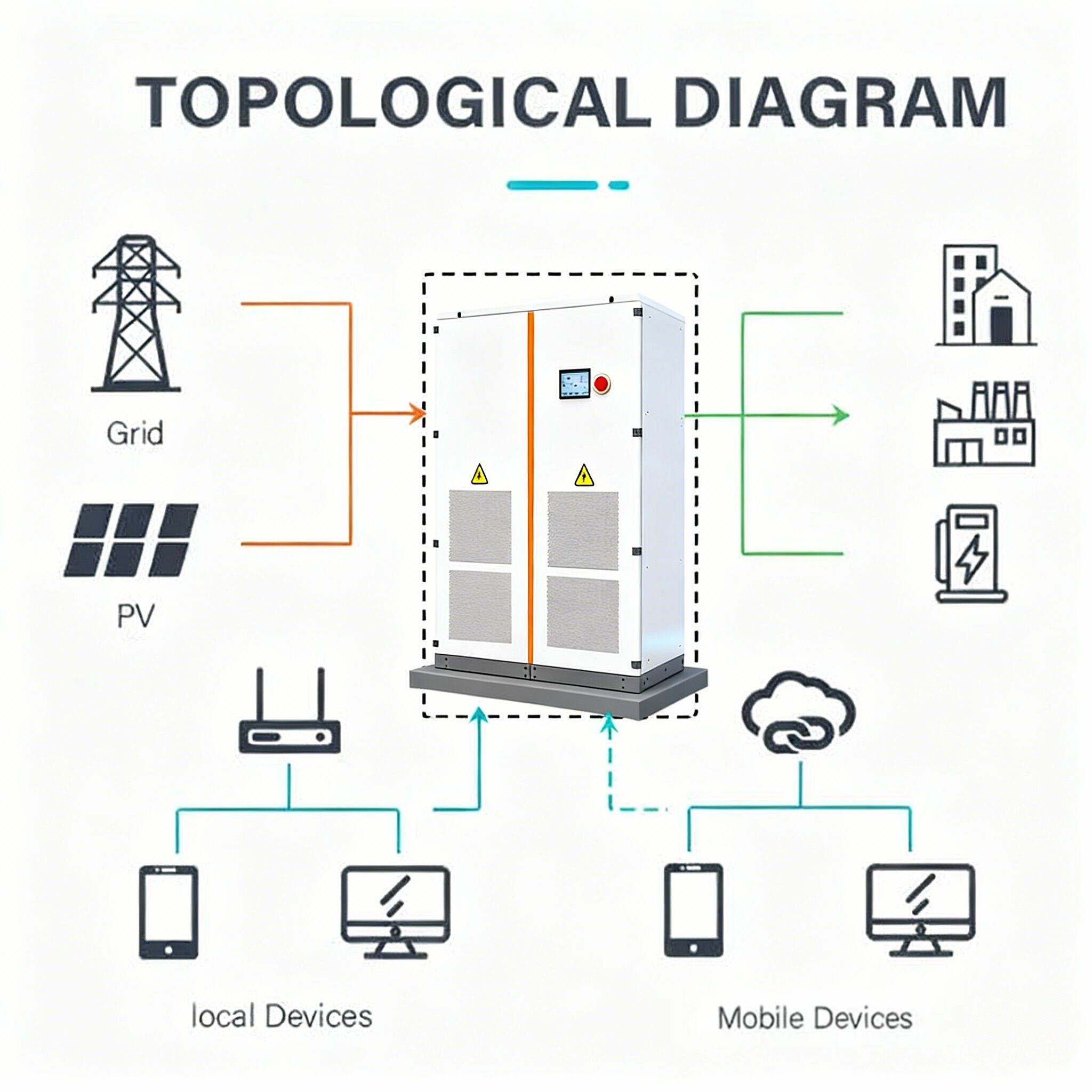
Core Photovoltaic System Design Factors That Determine Stability
PV Module Technology (TOPCon, Bifacial) and Its Impact on Long-Term Photovoltaic Output Consistency
The choice of photovoltaic modules really affects how stable the energy output will be over time. TOPCon technology gives around 1 to 2 percent better efficiency compared to regular PERC cells, plus these cells handle heat better since their temperature coefficients are lower. That makes them great for commercial installations where high temperatures can actually speed up equipment breakdowns according to recent studies from Fraunhofer ISE in 2023. Bifacial panels work differently too. They collect sunlight not just from above but also reflect off the ground beneath them, which means annual energy production goes up somewhere between 5 and 15 percent. Another nice thing is that when part of the array gets shaded, bifacial systems tend to maintain more consistent output levels. Since they gather light from both top and bottom surfaces, small amounts of dirt accumulation or temporary obstructions matter less than with traditional panels. This characteristic is particularly valuable at solar farms that need reliable power generation without unexpected dips.
System Configuration: Grid-Tied vs. Hybrid vs. Islanded — Trade-Offs in Photovoltaic Reliability and Resilience
The way power systems are built really affects how resilient they are when things go wrong. Grid connected systems save money upfront but leave buildings completely defenseless when the grid goes down. Facilities face an average hit of around $740,000 each time there's an outage according to Ponemon Institute research from last year. Hybrid setups combine batteries so important equipment stays running for anywhere between four to twenty-four hours, though this depends on what kind of power needs exist and how big the battery bank is. Fully independent microgrids give total control over energy supply, but require careful planning and bigger components than normal to handle changes throughout different seasons and unpredictable weather conditions. Hospitals and other essential services benefit greatly from hybrid approaches which stop about 98 percent of problems caused by power cuts as reported by NREL in their 2024 study. These systems automatically switch between solar power and stored electricity while managing loads in real time to keep operations going smoothly even during extended outages.
Energy Storage Integration to Augment Photovoltaic System Stability
Lithium-Ion and Flow Batteries: Aligning Storage Capacity and Response Time with Commercial Load Profiles
Storage needs in commercial buildings must match what happens when and what actually needs to happen. Lithium ion batteries respond super fast, under 100 milliseconds, making them great at handling those unexpected power spikes that occur during busy periods. Flow batteries work differently though. They can scale up and last much longer, which makes sense for situations where there might be power outages lasting several hours or even days. Many facilities are now combining these technologies. The lithium ions kick in quickly when needed most, while the flow systems handle the steady background power requirements. For instance, flow batteries often release stored energy at night after collecting excess from solar panels during the day. Meanwhile, lithium ions take care of those afternoon rushes when demand suddenly jumps. Flow systems typically give around ten hours of backup power, and lithium ions manage about 90% efficiency going in and out. This combination helps keep operations running smoothly even when solar power isn't available, all without spending way too much money on expensive equipment upfront.
Microgrid Enablement: How Distributed Photovoltaic Generation + Storage Delivers True Grid Independence
When we combine distributed photovoltaic generation with local energy storage, it forms what are called self-healing microgrids that can switch to island mode without any problems when the main grid goes down. The systems actually detect and isolate faults really fast, usually within just a few seconds. They keep powering essential infrastructure like emergency lighting and critical equipment even when everything else fails. And these setups manage to consume over 95% of their own generated electricity because they store the extra power made during the middle of the day for later use at night. Compared to traditional diesel generators that need constant fuel deliveries, solar plus storage solutions completely remove those logistical headaches, along with all the pollution and annoying noise that comes with burning fossil fuels. This makes them much better both in terms of running costs and environmental impact. Hospitals especially benefit from this kind of setup, as do large data centers and manufacturing facilities. These organizations see their grid demand charges drop by around 40% on average, which is significant savings. Plus, their operations become far less vulnerable to unpredictable changes in energy supply from outside sources.
Smart Operations: AI-Driven Monitoring and Predictive Maintenance for Photovoltaic System Resilience
Real-Time Performance Analytics and Anomaly Detection to Prevent Photovoltaic Downtime
When it comes to monitoring systems, AI takes all those sensor readings energy levels, voltage fluctuations, heat patterns, and inverter signals and turns them into something useful for operations teams. The machine learning stuff works out normal performance ranges and spots when things start going off track these could be tiny problems like small cracks forming, dirt building up on panels, whole strings producing less power than they should, or weird behavior from inverters running old software. Thermal cameras catch hot areas long before cells actually start peeling apart. Smart algorithms figure out which maintenance jobs matter most based on how much they affect electricity production and system availability. Automated warnings kick in repairs before little problems turn into big headaches across the entire installation. Systems using this kind of smart monitoring typically see around 35% fewer unexpected shutdowns, get more years out of their equipment, and keep running smoothly. For businesses relying on solar power to make money, this matters a lot since even short periods without power can cost thousands.
Commercial-Scale Photovoltaic Installation Types and Their Stability Implications
Rooftop, Ground-Mounted, Carport, and BIPV: Evaluating Photovoltaic Output Stability, Fault Tolerance, and O&M Accessibility
Four primary commercial-scale photovoltaic (PV) installation types—rooftop, ground-mounted, carport, and building-integrated photovoltaics (BIPV)—each present distinct stability implications. Key considerations include:
- Rooftop systems maximize underutilized space but contend with shading, roof obstructions, and structural limitations that can erode output consistency.
- Ground-mounted arrays enable optimal tilt, orientation, and spacing—maximizing irradiance capture and minimizing inter-row shading—while supporting modular expansion and straightforward fault isolation.
- Solar carports serve dual roles as covered parking and power generation, benefiting from elevated airflow that improves panel cooling and output stability—but require robust engineering to withstand wind, snow, and seismic loads.
- BIPV integrations embed PV functionality into façades, skylights, or roofing membranes, prioritizing aesthetics and space efficiency over serviceability; component replacement often requires disassembly of architectural elements, increasing mean time to repair.
The table below compares critical stability factors:
| Installation Type | Output Stability | Fault Tolerance | O&M Accessibility |
|---|---|---|---|
| Rooftop | Moderate (shading risks) | Medium (roof access limitations) | Challenging (safety harnesses required) |
| Ground-Mounted | High (optimal tilt/orientation) | High (easy component isolation) | Excellent (ground-level access) |
| Carport | Moderate-High (elevated airflow) | Medium (structural vulnerability) | Moderate (requires traffic management) |
| BIPV | Variable (integration-dependent) | Low (complex component removal) | Difficult (building material interference) |
Ground-mounted systems typically deliver superior photovoltaic reliability due to minimal shading, consistent cooling, and simplified maintenance access. BIPV installations trade resilience for architectural integration—making site-specific risk assessment essential to align photovoltaic stability goals with operational, financial, and aesthetic requirements.
FAQ
What are the benefits of using bifacial PV panels?
Bifacial panels collect sunlight from both their front and rear sides, increasing annual energy production by 5 to 15 percent. They're also more consistent in output even when shaded.
How do hybrid photovoltaic systems enhance power resilience?
Hybrid systems combine solar energy with battery storage, ensuring critical equipment remains operational during power outages, providing reliability for essential services.
What role does AI play in photovoltaic system maintenance?
AI assists in real-time monitoring and predictive maintenance by analyzing sensor data to detect performance anomalies, thereby reducing unexpected shutdowns and prolonging equipment lifespan.
How do microgrids support energy independence?
Microgrids, equipped with photovoltaic generation and storage, provide self-sufficient power solutions that can operate independently of the main grid, especially during outages.
Which commercial-scale PV installation offers the highest output stability?
Ground-mounted systems offer the highest output stability due to optimal tilt and orientation, minimal shading, and easy maintenance access.
Table of Contents
- Core Photovoltaic System Design Factors That Determine Stability
- Energy Storage Integration to Augment Photovoltaic System Stability
- Smart Operations: AI-Driven Monitoring and Predictive Maintenance for Photovoltaic System Resilience
- Commercial-Scale Photovoltaic Installation Types and Their Stability Implications
- FAQ