
 EN
EN



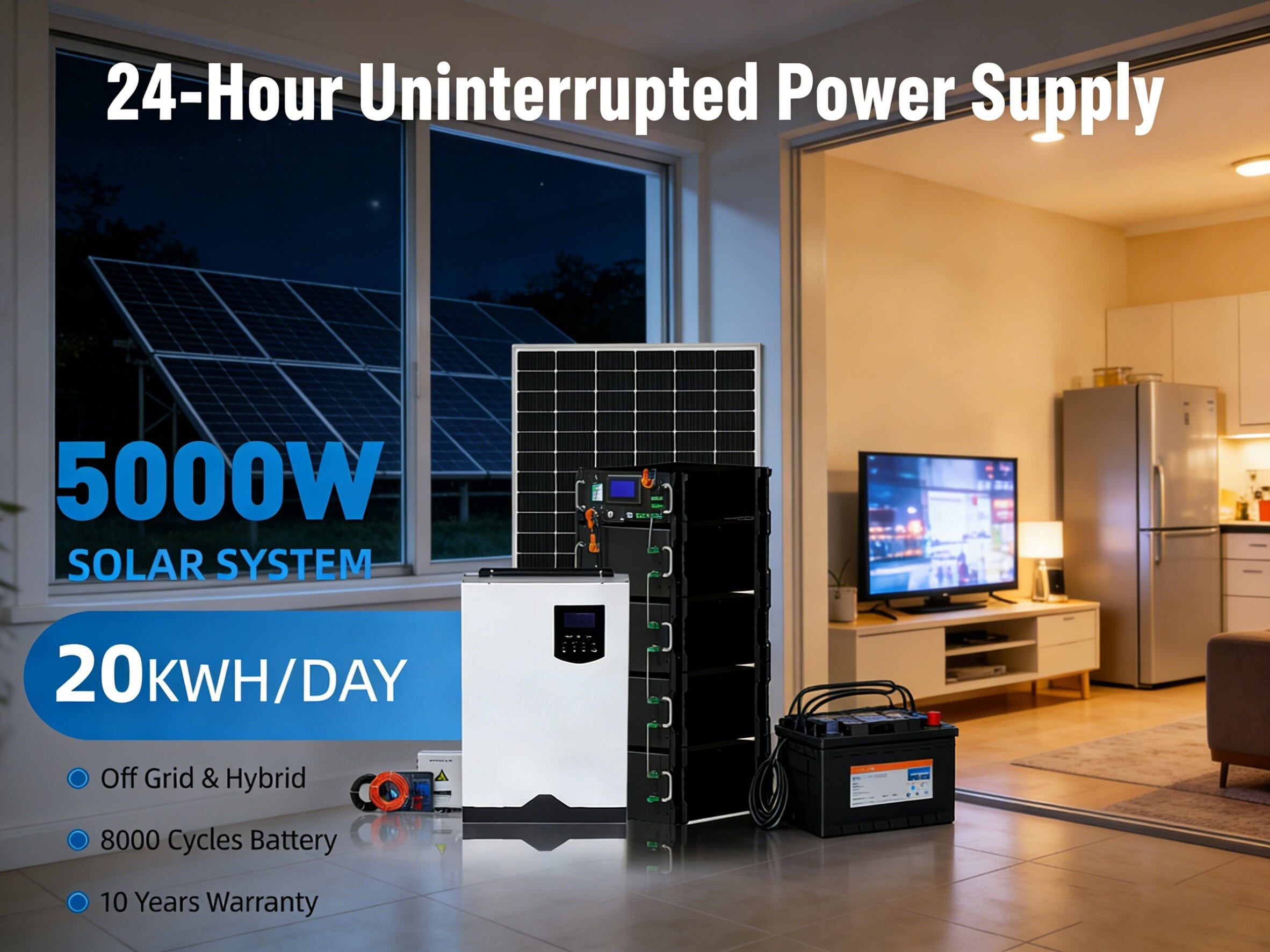
Why Solar Energy Alone Is Inherently Intermittent
Day–Night Cycles and Weather-Dependent Generation Limit Solar Energy Availability
Solar panels only work when there's sunlight, so they stop producing electricity once the sun goes down. The amount of power generated hits its highest point around midday but then drops off quickly as evening approaches, hitting zero at night just when people start turning on lights and appliances again. On cloudy days, solar output can fall by over half compared to clear skies, and bad weather might shut things down almost completely. In places north of the equator, winter brings significantly less solar power generation because days are shorter and the sun sits lower in the sky. All these limitations mean that grid managers have to bring other power sources online very quickly to keep everything running smoothly, which adds to operating expenses and makes relying solely on solar pretty unreliable for consistent power supply.
The Physics of Photovoltaics: No Sunlight, No Electron Flow
Solar panels work by turning sunlight into electricity using special materials called semiconductors. When light particles hit these solar cells, they knock loose electrons and create electric current. But if there aren't enough of these light particles around, the whole thing stops working completely. Take moonlight for instance it only gives about one tenth of one percent compared to daylight, so basically no power gets generated at night. Something interesting happens too when part of a solar panel gets shaded even just a little bit. Because most panels are wired together in series, this partial shade can actually stop electricity from flowing properly across the whole panel string, leading to bigger losses than expected. The bottom line is that solar power depends entirely on how much sun hits the panels at any given moment. That means we need backup power sources or energy storage solutions to make sure we have electricity whenever needed. Simply adding more panels won't fix this basic problem since it's built right into how solar technology works.
Solar Energy + Battery Storage: The Proven Path to 24-Hour Power
How Lithium Iron Phosphate (LFP) Batteries Enable Reliable Solar Energy Autonomy
LFP batteries help solve the problem of solar power being available only when the sun shines by storing extra electricity made during the day for nights or cloudy days. What makes these batteries stand out is their iron phosphate chemistry which doesn't overheat easily like other lithium types do, so they're much safer for homes. These batteries can handle about 95% efficiency when charging and discharging, plus they last around 6,000 full charge cycles before needing replacement – roughly three times better than old lead acid batteries. Homeowners get almost all their stored energy back too since LFP cells can be discharged up to 90% without wearing down faster. Smart monitoring systems inside track things like voltage levels, temperature changes, and how charged the battery actually is. All this helps keep everything running smoothly even in extreme weather conditions from freezing cold (-20°C) right up to hot summer temperatures (60°C). When combined with solar panels, this kind of storage setup gives homeowners real independence from grid power all day long, including those frustrating stretches where clouds block sunlight for days at a time.
Real-World Performance: Residential Solar Energy Systems Achieving >98% Grid-Outage Resilience
Field-proven solar-plus-LFP systems consistently achieve over 98% grid-outage resilience when properly configured. During California's 2023 atmospheric river events, homes with ¥10 kWh of storage maintained critical loads—including refrigeration, medical devices, and lighting—for more than 72 hours, averaging 98.6% uptime. Three design principles underpin this reliability:
- Load matching: Prioritizing essential circuits (typically ¥50% of total household load) extends backup duration significantly
- Three-day autonomy sizing: Oversizing solar by 30% and pairing it with storage equal to three times daily usage ensures resilience through prolonged outages
- Instant failover: Automatic transfer switches (ATS) activate battery power in under 20 milliseconds during grid failure
Smart inverters further reduce annual grid dependence by up to 92%, transforming solar from a supplemental resource into a primary, dispatchable power source.
Sizing Your Solar Energy System for True 24-Hour Resilience
Matching Battery Capacity and Solar Panel Output to Essential Loads and 3-Day Autonomy
Getting true 24 hour power reliability means matching up several factors correctly: how big the solar panels are, what kind of battery storage we have, and most importantly, what actual energy needs exist—not just everything in the house. Start by looking at what absolutely cannot go without: fridge has to keep running, lights need to work when needed, communication devices stay functional, and any medical gear remains powered. Take a typical scenario where a household needs around 12 kilowatt hours per day for these basics. The solar system should then be sized according to local sunlight availability. Let's say somewhere gets about 4 peak sun hours daily. That math works out to needing approximately 3.5 kilowatts worth of panels, plus maybe throw in an extra 20 percent buffer because nothing ever runs perfectly all year round. Now for batteries, they generally need enough juice to last through three full days without sun. But remember those real world losses too. If batteries can only be discharged safely down to 80%, and their charging efficiency isn't perfect either (around 90%), then our 12kWh daily requirement actually translates to needing roughly 50kWh total storage space. Making sure both the solar production matches up with available sunshine and the batteries hold enough for emergency periods forms the backbone of any dependable off grid setup or backup power solution.
System Configuration: Choosing the Right Solar Energy Architecture
Why Hybrid Inverters Are Essential—Grid-Tied Systems Fail During Outages
Regular grid connected solar setups will shut themselves off when there's a power cut from the main grid. This is called anti-islanding and it's required by law to stop electricity going back into damaged power lines. The problem? Even if the solar panels are working fine and the sun is shining bright, houses still lose all power. That's where hybrid inverters come in handy. These special systems combine battery backup with regular solar tech so they can switch modes automatically. When the grid goes down, they disconnect completely and start running on stored energy right away. This means things like fridge temperatures stay stable, lights keep working, and important medical equipment continues operating during blackouts. According to research from Ponemon Institute in 2023, businesses lose over seven hundred forty thousand dollars on average every time their power gets cut off. So for facilities that absolutely need continuous operation, having this kind of backup isn't just nice to have anymore. Hybrid systems work differently than standard setups because they manage how energy moves between solar panels, batteries, and whatever power comes from the grid. They prioritize keeping things running independently first, then figure out what makes financial sense long term while also building in extra protection against future problems.
FAQs
Why is solar energy alone considered unreliable?
Solar energy is inherently intermittent due to its dependence on sunlight, which varies with day-night cycles and weather conditions. This variability means solar power cannot consistently supply electricity without backup systems.
How do LFP batteries enhance solar energy reliability?
LFP batteries store excess solar energy for use during non-sunny periods, offering high efficiency and long lifespan. They ensure continuous power availability even during nighttime or overcast days.
What is 'load matching' in solar energy systems?
'Load matching' involves prioritizing essential household circuits to extend the duration of backup power, thereby enhancing a system's resilience during grid outages.
Why are hybrid inverters necessary for solar energy systems?
Hybrid inverters allow solar systems to operate independently during grid outages by automatically switching to battery power, ensuring uninterrupted power supply.