
 EN
EN



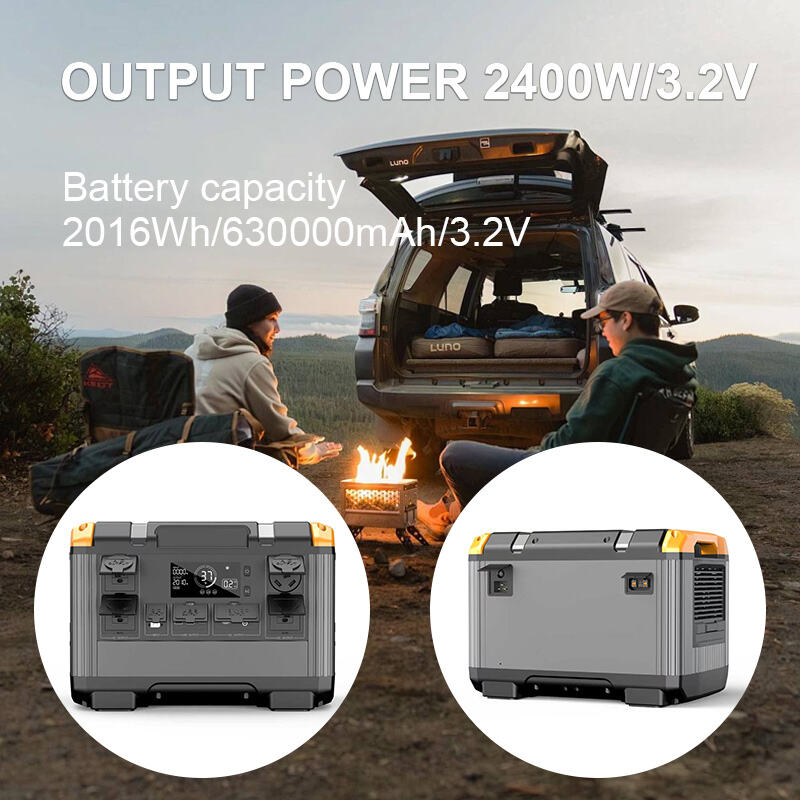
Why Portable Solar Power Stations Are Essential for Outdoor Emergency Readiness
When natural disasters strike or unexpected emergencies occur during outdoor adventures, access to reliable electricity becomes critical. Portable solar power stations provide indispensable backup energy where traditional grid power fails—enabling essential communication via GPS devices and satellite messengers during evacuations. Unlike fuel-dependent generators, these emission-free units operate silently and safely indoors, a vital advantage when sheltering from wildfires or storms in confined spaces.
Field data from alpine rescue teams shows solar-equipped power stations sustain 72+ hours of continuous operation for low-power medical equipment (5–15W loads) when fully charged. Their renewable energy source eliminates fuel supply concerns during extended crises, while rapid-deployment designs support immediate use in mobile scenarios. For outdoor enthusiasts and remote communities alike, this technology bridges the gap between emergency preparedness and sustainable resilience—transforming sunlight into potentially life-saving power during critical hours.
Key advantages driving adoption:
- Instant deployment in evacuation scenarios with no setup complexity
- Zero carbon operation, preserving air quality in enclosed shelters
- Multi-device support, powering communication, medical, and lighting systems simultaneously
- Renewable replenishment, with integrated solar charging sustaining operation during prolonged outages
As climate-related disasters increase by 37% globally (EM-DAT 2023), portable solar power stations have shifted from convenience to necessity in wilderness emergency kits—ensuring vital connectivity and safety when traditional infrastructure fails.
Critical Safety and Reliability Features of Emergency-Ready Power Stations
Fail-Safe Battery Management and Thermal Protection for Remote Use
Advanced Battery Management Systems (BMS) monitor individual cell voltage and temperature in real time, preventing catastrophic failures during critical operations. In off-grid emergencies—such as alpine rescues or desert evacuations—these systems automatically throttle charging speeds at 45°C (113°F) to avoid thermal runaway. Redundant circuit breakers and over-discharge safeguards extend battery lifespan by 30% compared to unprotected units. For medical devices like oxygen concentrators (50–100W loads), this ensures uninterrupted runtime without fire risk.
IP65-Rated Enclosures and Shock Resistance for Wilderness Durability
Top-tier models feature IP65-rated casings that block dust immersion and resist low-pressure water jets—essential during monsoons or coastal storms. Military-grade rubberized shells absorb 1.2-meter drops onto rocky terrain, while internal component suspension minimizes vibration damage during transport. Independent testing confirms these designs withstand 7G shock impacts, maintaining functionality when traditional generators fail.
Solar Charging Performance: Sustaining Power in Real-World Emergencies
MPPT Efficiency Under Variable Light: Field Data from Alpine and Desert Trials
Maximum Power Point Tracking (MPPT) technology maintains optimal solar harvesting despite unpredictable weather. Alpine trials at 3,000m elevation showed 92% efficiency retention during sudden cloud cover; desert testing confirmed consistent 85–90% performance amid 50°C heat and dust storms. This adaptive regulation prevents power drops when lighting shifts rapidly—and field data confirms MPPT controllers extract 30% more energy than traditional charge controllers in low-light emergencies.
Seamless Integration with Foldable Solar Panels (100–200W) for 1200–2000Wh Power Stations
Foldable solar panels deploy in under 90 seconds for rapid emergency response. Their 100–200W output aligns precisely with 1200–2000Wh power station capacities. Standardized connectors enable plug-and-play operation—no technical expertise required. During evacuations, this pairing delivers full recharges in 4–6 daylight hours. Compact, rugged designs fit in evacuation kits and survive rough transport, sustaining critical devices when grid power fails indefinitely.
Real-World Emergency Use Cases: Powering Critical Outdoor Devices
Runtime Benchmarks for GPS, Satellite Messengers, and HF Radios (5–15W Load)
Portable power stations deliver proven runtime for essential outdoor devices during emergencies. A 1000Wh station powers 5W GPS units for 200+ hours; 7–10W satellite messengers run 100–150 hours; and 10–15W HF radios maintain 80–100 hours of continuous communication. These benchmarks ensure reliable navigation and SOS capability when grid power fails—vital for backcountry safety and coordinated rescue efforts. Real-world field tests confirm endurance across sub-zero alpine conditions and extreme desert heat.
Performance as On-the-Go Backup During Wildfires, Storms, and Evacuations
During wildfire or storm evacuations, portable power stations provide instant, silent backup for life-saving devices—powering CPAP machines, emergency lighting, and communication tools without fuel, noise, or emissions. Their compact design enables rapid deployment in vehicles or shelters, maintaining critical functions throughout grid outages. Unlike generators, they eliminate fire hazards and toxic fumes—a distinction validated during California wildfire evacuations, where units sustained radios and phones for 72+ hours. This mobility makes them indispensable for both emergency responders and evacuees.
FAQs
Why are portable solar power stations better than traditional generators?
Portable solar power stations are emission-free, silent, and safer for indoor use compared to fuel-based generators. They don't rely on fuel supplies, making them sustainable and ideal for prolonged emergencies.
How long can a portable power station run on a full charge?
The runtime depends on device power needs. For instance, a 1000Wh station can power a 5W GPS for 200+ hours or a 10–15W HF radio for 80–100 hours.
Are portable power stations durable in harsh outdoor conditions?
Yes, models with IP65-rated enclosures and shock-resistant designs ensure functionality during harsh weather like storms, monsoons, or rocky terrain conditions.
How fast can these power stations recharge with solar panels?
Foldable solar panels can recharge power stations in 4–6 hours of daylight, depending on the station's capacity and panel output (100–200W).
What are the main safety features of these stations?
Advanced Battery Management Systems (BMS), thermal protection, and over-discharge safeguards ensure safe, reliable operation for essential devices in emergencies.