
 EN
EN



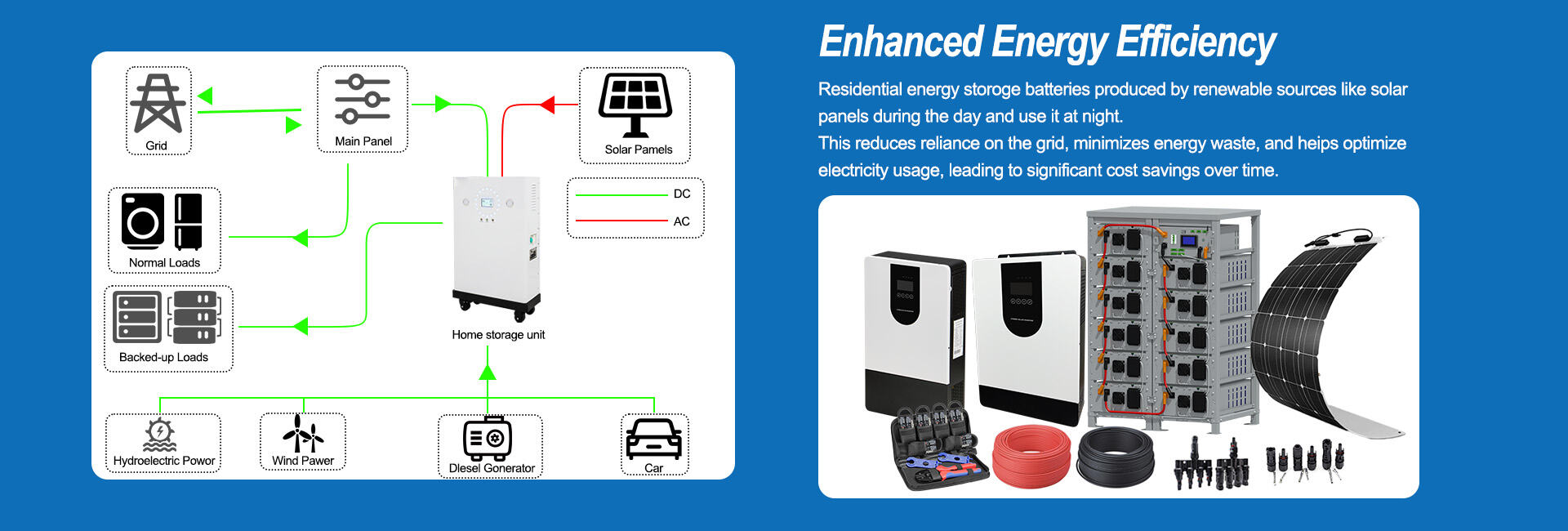
How Solar Energy Works: Core Technology and System Components
Photovoltaic conversion: from sunlight to usable electricity
Solar panels work their magic thanks to something called the photovoltaic effect. Basically, when sunlight hits those special semiconductor materials inside the panels, usually silicon, it gets electrons moving around. Think about it this way: photons from the sun literally knock electrons loose in these cells, which creates what we call direct current or DC electricity. Most modern solar setups manage to turn about 15 to maybe even 22 percent of all that sunlight into actual usable power. How efficient they are depends on several factors including how good the cells are made, what temperature it is outside, and general weather conditions too. Little things matter a lot here though. Just a bit of shading from nearby trees or some dust buildup on the panels can cut down production by nearly a quarter according to EPEVER's research back in 2023. That's why getting installation right matters so much. After the electricity is created as DC, it needs to go through an inverter first before becoming AC power that runs our appliances at home or keeps office equipment going during business hours.
Key system elements—panels, inverters, mounting, and monitoring
A complete solar energy system relies on four integrated components:
- Panels: Comprised of multiple PV cells, they capture sunlight and initiate electricity generation
- Inverters: Convert DC electricity into AC power with 97–99% efficiency in modern units, serving as the system’s operational hub
- Mounting structures: Secure panels at optimal tilt and orientation, engineered to withstand extreme conditions—including winds up to 140 mph
- Monitoring systems: Provide real-time tracking of energy production and system performance, detecting efficiency deviations within 0.5% accuracy
When properly configured, these components ensure reliable, long-term energy generation with minimal maintenance.
Residential Solar Energy: Savings, Sustainability, and Incentives
Energy bill reduction and long-term ROI for homeowners
Putting solar panels on homes cuts down electric bills because they generate power right where it's needed instead of relying entirely on the grid. Most folks report saving anywhere from half to almost all their monthly power costs, though this varies quite a bit depending on how big the system is, where they live, and how much electricity they normally use. The money usually comes back within about six to ten years, and since these panels can last well beyond 25 years, there's hardly any ongoing cost once the upfront expense is covered. Recent research from 2023 shows that homeowners generally get between 10 and 20 percent return on their investment throughout the life of the system. Real estate experts also note that houses with solar tend to sell for around 4% more than similar properties without them, which makes going solar not just good for the environment but also smart business sense in many cases.
Federal and state incentives (ITC, rebates, net metering) accelerating solar adoption
Money matters are really important when it comes to getting solar panels installed at home. The big federal tax credit called ITC helps out quite a bit, covering about 30 percent of what people spend on installation right now until 2032. That definitely makes going solar less expensive initially for folks who want to switch. Plus there are various state level deals too. Some places offer cash back rewards, others give money based on how much energy systems produce, and some even let homeowners skip paying extra taxes on their property because they have solar equipment. There's also something called net metering where if a house generates more electricity than needed during the day, the utility company actually gives credit towards future bills. All these different financial supports combined can bring down what someone actually pays for putting in solar power systems by over half. And we've seen this work wonders in practice too, with homes adopting solar technology growing by around 34% each year compared to previous years.
Commercial and Public-Sector Solar: Scaling Impact Across Businesses and Communities
Solar for businesses: lowering operational costs and enhancing ESG credibility
Businesses that install commercial solar systems typically cut their electric bills anywhere from 30% to maybe even 70%. Most find they get their money back within just six or seven years, sometimes faster depending on local incentives. With real time monitoring systems now available, companies can keep track of how well their panels are working day to day, which means catching problems early before they become costly issues. Going solar does more than save money though. It actually helps improve those ESG scores companies love talking about these days because it cuts down on carbon emissions in a way that's easy to measure and report. For many firms, this makes them look better to potential investors who care about green credentials and also resonates with customers looking for eco friendly options. Another unexpected benefit some businesses notice is that staff tend to stay longer when they work somewhere committed to sustainability. Employees today really seem to appreciate working for companies that take environmental responsibility seriously.
Community solar and public infrastructure—street lighting, transit hubs, and municipal buildings
Community solar expands access to clean energy for renters, low-income households, and others unable to install rooftop systems. Through shared solar farms, participants receive credits on their utility bills without needing personal panels. Municipalities are also integrating solar into public infrastructure:
- Solar-powered smart street lighting reduces energy costs by 50% while improving urban safety
- Transit hubs generate up to 40% of their energy needs on-site with rooftop and canopy installations
- Government buildings utilize solar arrays to lower taxpayer-funded electricity expenses
These initiatives promote energy equity, support climate resilience, and create local jobs in installation and maintenance—demonstrating how decentralized solar systems strengthen community infrastructure and reduce reliance on centralized grids.
FAQ
How do solar panels convert sunlight into electricity?
Solar panels utilize the photovoltaic effect, where sunlight hits semiconductor materials like silicon, knocking electrons loose to create direct current (DC) electricity.
What are the main components of a solar energy system?
The main components include solar panels, inverters, mounting structures, and monitoring systems.
How much can homeowners save with solar panels?
Homeowners generally save from 50% to almost their full electric bill amount, depending on system size and location.
What incentives are available for installing solar panels?
Incentives include the federal tax credit (ITC), state-level rebates, and net metering benefits.
What is community solar?
Community solar allows participants to benefit from shared solar farms and receive utility bill credits, expanding access to clean energy.