
 EN
EN



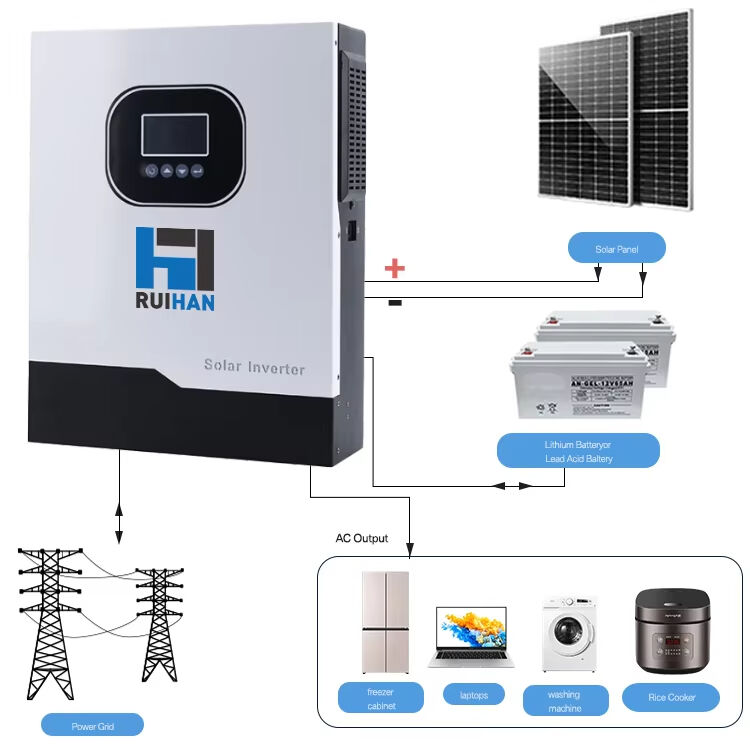
Why Standardized Solar Energy Systems Underperform for Real Homes
The truth is, most standard solar setups just don't cut it when it comes to meeting what households actually need for power. Generic designs simply don't match up with real world conditions at each installation site. Readymade systems miss out on important factors such as how roofs face, where shadows fall throughout the day, and what kind of weather hits an area regularly. These oversights can slash system efficiency by anywhere from 15 to 25 percent when compared to properly tailored installations. Take trees casting shade on those nice south facing panels for instance. If nobody deals with that problem first, homeowners might find their yearly electricity output drops more than 30 percent below expectations, which pretty much wipes out any savings they were hoping for.
Standard one-size-fits-all approaches just don't account for how different families actually use energy around their homes. When solar systems are built for what's considered average consumption, they end up leaving households that need more power still connected to the grid when electricity prices spike. Meanwhile these same systems create massive wasted excess for people who simply don't use as much energy day to day. The numbers back this up too. According to EnergySage research from last year, we're talking about over seven hundred forty thousand dollars worth of unnecessary expenses across the whole industry because homeowners got their solar panels wrong sized.
The long term reliability tends to take a hit as well. Regular racking setups just don't always fit different roof slopes or material types properly, which leads to problems like water getting in or putting extra strain on structures. A big issue here is when people try doing it themselves or go for generic solutions instead of proper customization. This usually means losing out on warranty coverage for equipment, something really important considering around 22 percent of solar panels need fixing within ten years according to NREL research from last year. And let's not forget about those little things either. If there aren't module level power electronics specifically designed for how sunlight hits each part of the property, even small shadows or dirt buildup somewhere on the array can actually cut down overall energy production quite significantly.
These limitations underscore why scalable, site-specific designs outperform one-size-fits-all approaches across all performance metrics.
How Modular Design Enables Scalable, Future-Ready Solar Energy Systems
Optimizing roof space and shading with module-level power electronics
Solar systems designed in modular fashion can make better use of those precious roof spaces thanks to smart component arrangements and what's called module level power electronics, or MLPE for short. The big advantage here is that each panel works on its own, which helps fight against those annoying shading problems that usually cut down regular solar systems by somewhere between 15% and 34%, according to NREL research from last year. When some panels get shaded, the ones that aren't still keep producing electricity at their best levels because they're not tied together. Another great thing about these MLPE setups is how they handle tricky roof shapes. Installers can point panels different directions across the same roof without worrying about losing efficiency. All this adds up to real gains too. Most installations see around 25% extra energy collected over the course of a year compared to older string inverter systems, making them especially valuable for properties with limited space available for solar panels.
Microinverters vs. hybrid inverters: Matching architecture to household growth plans
Selecting the right inverter technology is critical for scalable solar energy systems. Microinverters—converting DC to AC at each panel—suit homeowners anticipating gradual expansion, as new panels integrate seamlessly without rewiring. Hybrid inverters offer centralized conversion with built-in battery readiness, ideal for planned storage integration. Consider these factors:
| Growth Factor | Microinverter Solution | Hybrid Inverter Approach |
|---|---|---|
| Future panel additions | Add units individually | Requires oversizing initially |
| Battery integration | Needs separate equipment | Built-in battery compatibility |
| Partial shade exposure | Optimizes each panel independently | Affects entire string output |
Households expecting significant load increases—such as those adding EV charging—benefit from hybrid systems’ higher power thresholds, while those with complex roofs gain more from microinverter resilience. Either approach delivers future-ready energy infrastructure when aligned with long-term consumption patterns.
Energy Profile Mapping: Aligning Solar Energy System Output with Household Demand
Mapping out energy profiles changes how people design their solar systems because it matches power generation exactly with what households actually use day to day. Standard methods just guess based on average numbers, but energy profiling looks at detailed electricity consumption records to spot different types of loads around the house. When we track these patterns hour by hour and season by season using smart meters and other monitoring devices, homeowners end up with systems that aren't too big (which wastes money) or too small (which leaves them short on power). This approach helps families get the most value from their investment while making sure they have enough electricity when they need it.
Using AI-powered load monitoring to identify essential, critical, and surplus load tiers
Smart meters paired with artificial intelligence can sort out what's happening in homes by breaking down electricity usage into three main categories based on importance. The first group includes things we absolutely cannot live without, such as fridges keeping food fresh or machines helping people breathe when they need them. Next come those big power guzzlers like ovens and stoves that only run at certain times of day. And then there are all the extra stuff - televisions, gaming consoles, and other gadgets that don't really matter much if they get turned off for a few hours. When solar panels aren't producing enough energy, these smart systems automatically decide which appliances stay on and which ones get shut down temporarily. The AI gets even better over time because it looks at things like upcoming rain showers or when families tend to be home versus away. People who implement this kind of system usually see their solar panel efficiency jump somewhere between 20 to 30 percent, plus they spend less money on expensive backup batteries since they know exactly how much storage space they actually need for essentials.
Choosing the Right Customization Path: From Grid-Tied Starter to Resilient Solar Energy System
When thinking about going solar, homeowners need to look at what matters most for their energy needs and check how reliable their local power grid actually is. Going with a simple grid-connected setup usually costs around 40 percent less than trying to go completely off-grid from day one, plus it lets them take advantage of those net metering programs many utilities offer these days. As folks start caring more about having power during storms or other disruptions, adding batteries to create a hybrid system becomes pretty smart. For homes located where power cuts happen frequently, like areas prone to wildfires that might experience over a dozen blackouts each year, investing in an off-grid system with some kind of backup generator makes a lot of sense despite the higher upfront price tag.
Consider these progression factors:
- Load criticality: Medical equipment or remote workspaces demand immediate battery integration
- Utility policies: Net metering phase-outs accelerate payback periods for battery investments
- Disaster resilience: Multi-day backup requires 3–5× more storage than evening load-shifting
Always design with future expansion ports for battery banks and additional panels to avoid costly retrofits when needs change.
FAQ
What factors are often overlooked in standard solar installations?
Generic solar systems often overlook site-specific factors like roof orientation, shading, local weather patterns, and actual household energy use, which can significantly reduce system efficiency.
How do modular solar designs improve energy collection?
Modular designs use module-level power electronics to allow each panel to work independently, reducing the impact of shading and accommodating different roof shapes for better energy collection.
What are the benefits of mapping energy profiles for solar systems?
Mapping energy profiles allows the solar system to align its output with household demand, optimizing system size, reducing waste, and ensuring reliable power supply.
Should homeowners choose microinverters or hybrid inverters?
Microinverters are ideal for gradual expansion and managing partial shading, while hybrid inverters are better for homes planning battery integration and expecting higher power thresholds.
Table of Contents
- Why Standardized Solar Energy Systems Underperform for Real Homes
- How Modular Design Enables Scalable, Future-Ready Solar Energy Systems
- Energy Profile Mapping: Aligning Solar Energy System Output with Household Demand
- Choosing the Right Customization Path: From Grid-Tied Starter to Resilient Solar Energy System
- FAQ