
 EN
EN



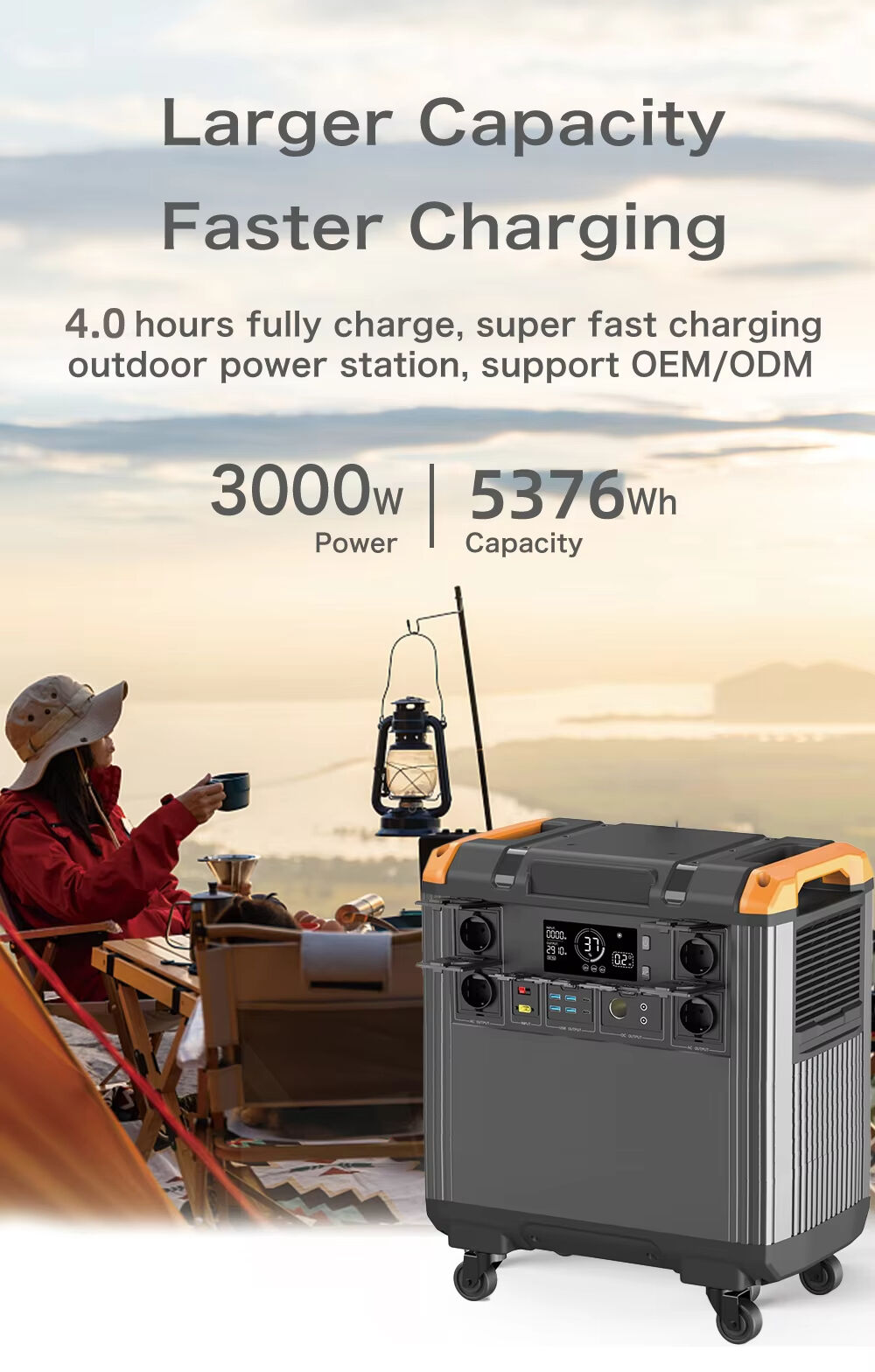
Why Portable Solar Generators Excel as Off-Grid Power Solutions
When it comes to powering gear in remote areas, portable solar generators beat out regular power sources for several reasons. For starters, these devices tap into free sunlight which means no ongoing fuel expenses and zero emissions unlike those noisy gas generators that everyone hates. That's why hikers and campers who care about nature love them, especially when backpacking deep into wilderness areas where silence matters. The second thing going for them is how small and light most models are. Some can fit easily into a backpack despite weighing less than 30 lbs but still pack enough juice for days of camping. Take the EcoVolt model for instance, it gives around 1,000 watt hours worth of power before needing a top up. And thirdly, these units come with multiple ways to charge them up. Most will work with direct sunlight obviously, but also connect to standard wall sockets or car cigarette lighter ports. On sunny days, full recharges happen within 4 to 8 hours depending on panel size. Even when clouds roll in, smart controllers inside these boxes keep things running smoothly so users don't get stuck without power.
Solar generators don't need nearly as much upkeep compared to those running on fuel. No messing around with spark plugs, changing oil, or cleaning carburetors. Just install them and forget about regular maintenance headaches. Some real world tests back this up too. Last year in Texas when the big winter storm hit, these solar units kept hospitals going for over three days straight without any power from the main grid. That's pretty impressive stuff. Plus they're built with modules that can be expanded easily just by adding more batteries or solar panels as needed. When heading into remote areas where there's no electricity nearby, this mix of green energy, easy transport, and flexible setup options explains why more people are choosing solar generators over traditional models these days.
How to Size a Solar Generator for Real Camping Loads
Calculating Total Watt-Hour Needs for Common Gear (Fridge, Lights, Phones)
Accurately sizing a solar generator starts with calculating your total daily energy consumption in watt-hours (Wh). List all essential devices, their wattage, and estimated runtime:
- Portable refrigerator: 50W – 10 hours = 500Wh
- LED camp lights (10W – 5 hours) = 50Wh
- Smartphone charging (5W – 3 charges) = 15Wh
Total daily needs = 565Wh. Add a 20% buffer for unplanned usage—bringing requirements to 678Wh. This prevents undersizing your power station for multi-day trips where solar replenishment may be inconsistent.
Accounting for Efficiency Losses: Inverter, Battery Derating, and Solar Input Variability
Real-world performance requires adjusting for three key efficiency losses:
- Inverter losses: DC-to-AC conversion wastes 10–15% of stored energy
- Battery derating: Lithium batteries deliver only 80–90% of rated capacity in cold temperatures
- Solar variability: Cloud cover reduces panel output by 60–80%, per the Wilderness Energy Study (2023)
To offset these losses, multiply your buffered watt-hour total by 1.5:
678Wh – 1.5 = 1,017Wh
Opt for MPPT charge controllers, which harvest up to 30% more solar energy than PWM alternatives—especially valuable during limited daylight or partial shading.
Charging Flexibility: Solar, AC, and DC Options Compared
Solar Charging Performance in Variable Weather Conditions
Solar power gives folks real independence from the grid, though Mother Nature has her say about how well it works day to day. When the sun is out full force, those shiny monocrystalline panels really shine, grabbing electrons at their best rate. But when clouds roll in, things get tricky fast. A thick layer of cloud can cut production down anywhere between forty to sixty percent. Rain doesn't help either since water droplets scatter sunlight and dirty panels just aren't efficient. Even so, most contemporary solar setups still manage to pull in some juice on gloomy days, usually around fifteen to twenty five percent of normal capacity thanks to that scattered daylight. Smart placement matters a lot too. Tilting panels properly and giving them regular cleanings helps squeeze every drop of energy possible when skies aren't cooperating. And let's face it, nobody likes waiting forever for batteries to fill up. During long stretches of bad weather, charging times often stretch out by half or even double what they would be under perfect sunshine.
MPPT Controllers and Dual-Input Charging Advantages
MPPT technology, which stands for Maximum Power Point Tracking, works by constantly tweaking the voltage and current settings to pull out around 30% extra energy from those solar panels. This makes a big difference when parts of the panel are shaded or when clouds pass overhead. The dual input systems take things even further by letting people charge their devices at the same time from both solar power and regular sources like wall outlets or car cigarette lighter ports. What we're seeing here is basically a two-for-one deal that gives users more flexibility and reliability in different situations.
- Cuts total recharge time by 35–50% versus single-source charging
- Enables automatic source switching when weather disrupts solar input
- Allows battery replenishment while simultaneously powering devices
- Minimizes downtime through flexible, location-agnostic power sourcing
This multi-path capability ensures operational readiness regardless of environmental constraints.
Key Considerations Before Buying a Solar Generator
Weight, Portability, and Cycle Life Trade-Offs
When choosing a solar generator, folks need to think about how much power it stores, how easy it is to carry around, and how long it will last overall. The most common type these days are LiFePO4 batteries, which generally last between 3,000 to 5,000 charge cycles, sometimes even reaching over 10 years of service. But here's the catch they weigh anywhere from 25 to 50 percent more than those lighter NMC lithium options. Those smaller NMC batteries might be easier on the back, but they tend to degrade after just 500 to 1,000 cycles. For backpackers who want something light enough to toss in a pack, look for models under 10 pounds with at least 200 to 300 watt hours of capacity. Car campers have more room to work with and can handle heavier systems weighing 20 to 50 pounds that provide 1,000 to 2,000 watt hours for running things like mini fridges or medical devices. And remember to check those cycle life claims manufacturers put out there. A good rule of thumb is making sure the battery still holds at least 80 percent of its original capacity when it reaches the end of its useful life.
Upfront Cost vs. Long-Term Value and Fuel-Free Operation
Solar generators definitely cost more upfront compared to gas ones. We're talking around $300 for something that gives 300Wh power versus maybe $3,000 for 2,000Wh capacity. Gas units tend to be cheaper initially, usually between $400 and $800. But here's the catch - those gas generators eat through fuel fast. Most burn about half a gallon every hour. At four dollars a gallon, that adds up to twenty bucks just for ten hours of running time. Multiply that by how often people actually need backup power throughout the year, and suddenly those gas generators start costing hundreds extra when maintenance isn't even counted yet. Solar systems don't need oil changes, no messing with spark plugs, forget about cleaning out carburetors. That alone saves anywhere from fifty to a hundred bucks each year on average. Plus, solar runs completely quiet and produces zero emissions, which means campers can legally use them in national parks where loud noises are banned. Another nice perk? Good quality solar generators hold their value pretty well. After five years of use, many still fetch 60% to 70% of what they originally cost because lithium batteries last so long and there's just not as much moving parts to break down over time.
FAQ
Why should I choose a portable solar generator over a traditional gas generator for off-grid camping?
Portable solar generators are ideal for off-grid camping because they offer clean, renewable power with zero emissions, require less maintenance, and create no noise pollution, making them more environmentally friendly compared to traditional gas generators.
How do I determine the right size of a solar generator for my camping needs?
To determine the right size, start by calculating the total daily energy consumption in watt-hours for all essential devices, add a 20% buffer for unexpected usage, and consider efficiency losses to ensure your power station is adequate for multiple days.
Do solar generators work well in cloudy weather?
While solar generators work best under full sunlight, they can still generate some power under cloudy conditions, usually around 15% to 25% of their normal capacity. Smart positioning of panels and regular cleanings can maximize efficiency.
What are the advantages of MPPT charge controllers?
MPPT charge controllers can extract about 30% more solar energy by optimizing voltage and current settings, making them effective in partially shaded conditions or with fluctuating weather patterns.
Are solar generators more costly than gas generators?
Initially, solar generators may come with a higher upfront cost compared to gas generators. However, they save on fuel and maintenance costs over time, leading to long-term value and cost-effectiveness.