
 EN
EN



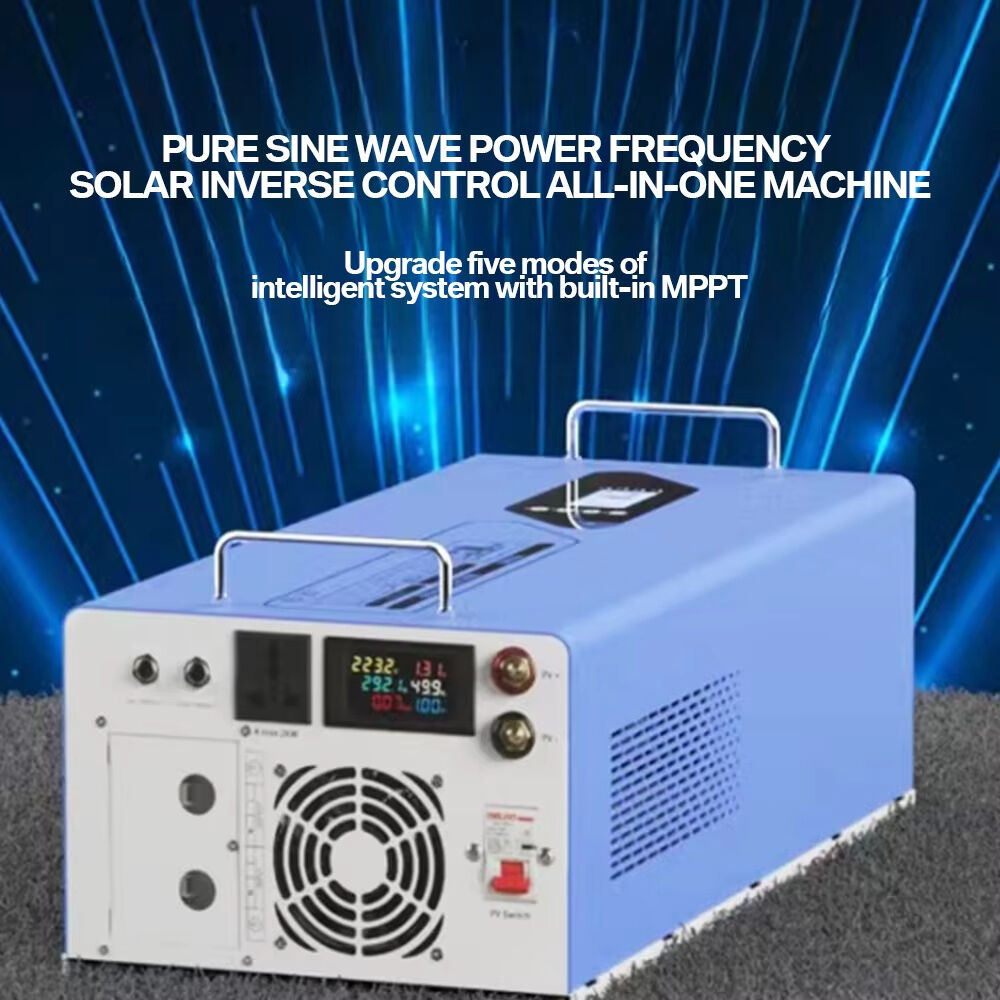
Why Pure Sine Wave Output Is Essential for Appliance Safety and Longevity
Voltage distortion and harmonic interference from modified sine wave inverters
When modified sine wave inverters create AC power through those stepped voltage changes, they end up creating total harmonic distortion (THD) levels often above 40%. What happens next? Well, this kind of distortion leads to unpredictable current surges which can really heat up motor windings and eventually break down insulation materials sooner than expected. The voltage jumps happening at each step transition put extra strain on delicate electronic equipment too. Think about things like hospital machines, speed control systems for motors, or even household gadgets controlled by tiny computer chips inside them. These components start to wear out faster as their capacitors degrade and timing mechanisms get messed up. Appliances need to pull in around 15 to 30 percent more electricity to work properly with these distorted waves, which means components suffer from both heat damage and electrical stress much quicker over time.
How <3% THD and precise zero-crossing enable stable motor control and sensitive electronics
Pure sine wave inverters produce AC power that looks almost identical to what comes from the electrical grid, thanks to their advanced pulse width modulation technology. These inverters keep total harmonic distortion under 3%, which is pretty impressive considering standard inverters often run much higher. The clean waveform they generate gets rid of those annoying harmonics that mess up things like electronic timers, cause problems with communication signals, and create issues for digital logic circuits. When it comes to zero crossing synchronization, these inverters do an excellent job matching when voltage and current reach zero at nearly the same time. This prevents dangerous arcing in relays and switches while allowing induction motors in HVAC systems and fridge compressors to work smoothly without any hiccups. Even sensitive devices like digital clocks, audio gear, and network routers function properly without picking up background noise, losing signals, or experiencing timing glitches that could disrupt operations.
Real-world impact: 68% lower compressor failure in refrigerators (NREL 2023)
According to a recent field study conducted in 2023 by NREL, refrigerators running on pure sine wave inverters had about 68 percent less compressor problems compared to ones using modified sine wave units. Why does this happen? Well, basically because there are fewer eddy current losses happening inside those motor windings, plus no nasty voltage spikes when things start up. And let's face it, most people know that fixing compressors costs a fortune since they account for almost half of all refrigerator repairs. So investing in cleaner power actually saves money over time. Another benefit worth mentioning is how consistent current regulation stops that annoying buzzing sound coming from transformers. We've all heard it before. That buzz isn't just irritating either; it's actually a warning sign that insulation might be failing soon.
How Solar Inverters Generate Pure Sine Wave Output
SPWM modulation, multi-stage LC filtering, and high-frequency switching architecture
Today's solar inverters create clean sine waves using several key components working together. The process starts with something called Sinusoidal Pulse Width Modulation, or SPWM for short, which turns direct current from solar panels into a stepped approximation of a sine wave. Then there are those fast switching transistors operating above 20 kilohertz that let the system adjust voltages quickly while losing minimal energy in the process. To get rid of any unwanted distortions, manufacturers use multiple stage LC filters. These combine inductors that stop harmonic noise with capacitors that eliminate voltage spikes, bringing total harmonic distortion down below 3 percent. Smart microprocessors constantly tweak how these components work together, maintaining good waveform quality even when sunlight levels change throughout the day or when appliances switch on and off. This means homeowners get reliable power without worrying about interference affecting sensitive electronics or putting extra strain on motors.
MPPT integration, anti-islanding compliance, and waveform fidelity across grid-tie and off-grid modes
Modern inverters come equipped with Maximum Power Point Tracking or MPPT technology which helps them grab as much energy as possible from solar panels while still producing clean sine waves. When connected to the grid, these devices keep their timing perfectly matched with what's coming from the utility company through constant voltage checks. The systems also have anti-islanding features that meet UL 1741 standards, so they shut down safely whenever there's a problem with the main power supply. For off-grid setups, manufacturers include special circuitry that keeps voltages steady even when batteries are running low on charge. Top performing units can hold voltage within about 1% accuracy and maintain nearly perfect power factors in every operating mode. This kind of performance makes them suitable for tough applications ranging from industrial compressors that need precise control to sensitive medical devices where reliability is absolutely critical.
Matching Pure Sine Wave Solar Inverter Capacity to Residential Load Profiles
Surge current handling for motor-starting loads (HVAC, well pumps, refrigerators)
When motors start up, they create short bursts of electricity demand that can be three to six times what they normally consume while running. Take a standard 600 watt fridge for instance it might actually pull around 1800 watts when first turned on. The same thing happens with HVAC systems and those big pumps used in wells too. They all need quite a bit more power just for a moment. For pure sine wave inverters, getting the right size matters a lot. Experts generally recommend adding about 20% extra capacity beyond whatever the biggest surge might be. Otherwise there's risk of things like voltage drops, unexpected shutdowns, or even overheating components. This becomes really important in systems not connected to the grid. If an appliance keeps trying to restart after failing, it wears down parts faster and makes the whole setup less reliable over time. We've seen this happen in remote cabins where folks didn't account for these surges properly.
Hybrid inverter trends: Adaptive load prioritization and critical-circuit backup
Modern hybrid inverters come equipped with smart load management features that figure out which circuits need power most during blackouts. Think things like keeping medical equipment running, making sure the fridge doesn't freeze everything, and maintaining basic lighting throughout the house. At the same time, they'll cut power to less important stuff such as pool filters or electric vehicle charging stations when needed. These systems actually learn how people use their electricity over time and then decide when to draw from batteries for maximum effectiveness. The result? Most homeowners report getting anywhere from 40 to maybe even 60 percent longer runtime on critical appliances during extended power failures. What really stands out though is how smoothly these inverters switch between regular grid power and emergency backup mode without anyone needing to flip switches or do anything at all. This kind of hands-off reliability makes all the difference for families who rely on continuous power for health reasons or other essential needs around the home.
FAQ
What is Total Harmonic Distortion (THD) and why is it important?
Total Harmonic Distortion (THD) is a measure of how much a waveform deviates from a perfect sine wave. In electrical systems, THD affects the efficiency and longevity of appliances. High THD can lead to issues like increased heat generation and premature component failure.
Why are pure sine wave inverters better for appliances?
Pure sine wave inverters offer a clean power output with minimal harmonic distortion, safeguarding sensitive electronics from interference and ensuring smooth operation. This reduces wear and tear on appliances, thereby enhancing their lifespan.
How do solar inverters ensure power quality?
Solar inverters use technologies such as Sinusoidal Pulse Width Modulation (SPWM), multi-stage LC filtering, and MPPT to produce stable, high-quality power that is nearly identical to the grid supply, minimizing harmonic distortion and energy loss.
What role does MPPT play in solar inverters?
Maximum Power Point Tracking (MPPT) helps solar inverters optimize the power harnessed from solar panels, ensuring maximum energy extraction and consistent power output, which is crucial for both off-grid and grid-tied systems.