
 EN
EN


Understanding Photovoltaic Self-Sufficiency: Beyond Net-Zero
Photovoltaic self-sufficiency vs. self-consumption: Key definitions and metrics
When talking about solar power, self-sufficiency and self-consumption actually mean quite different things when it comes to how independent we are from traditional energy sources. Let's start with self-consumption first. This basically tells us what percentage of the solar electricity produced gets used right there at home. Most homes without battery storage end up using around 20 to maybe 40 percent of their own solar power because people tend to generate electricity during the day but need most of it in the evenings. Now self-sufficiency looks at things differently. It measures how much of all the energy a house needs throughout the whole year actually comes from its solar panels. This number gives a clearer picture of just how little reliance exists on the regular power grid.
| Metric | Focus | Real-World Implication |
|---|---|---|
| Self-Consumption | On-site usage of solar generation | Maximizes solar ROI by reducing grid imports |
| Self-Sufficiency | Grid independence percentage | Determines true energy autonomy |
Even when a home manages to use all the electricity it generates (every single kilowatt hour), it might still only be about 40% self sufficient if the solar setup can't cover more than half of what the house needs over the whole year. The difference between these numbers explains why focusing solely on maximizing self consumption isn't enough for true energy independence. That's why getting the right size system matters so much it has to match actual usage patterns rather than just matching what the panels can produce.
Why photovoltaic systems alone aren’t enough—and what bridges the gap to true 24/7 independence
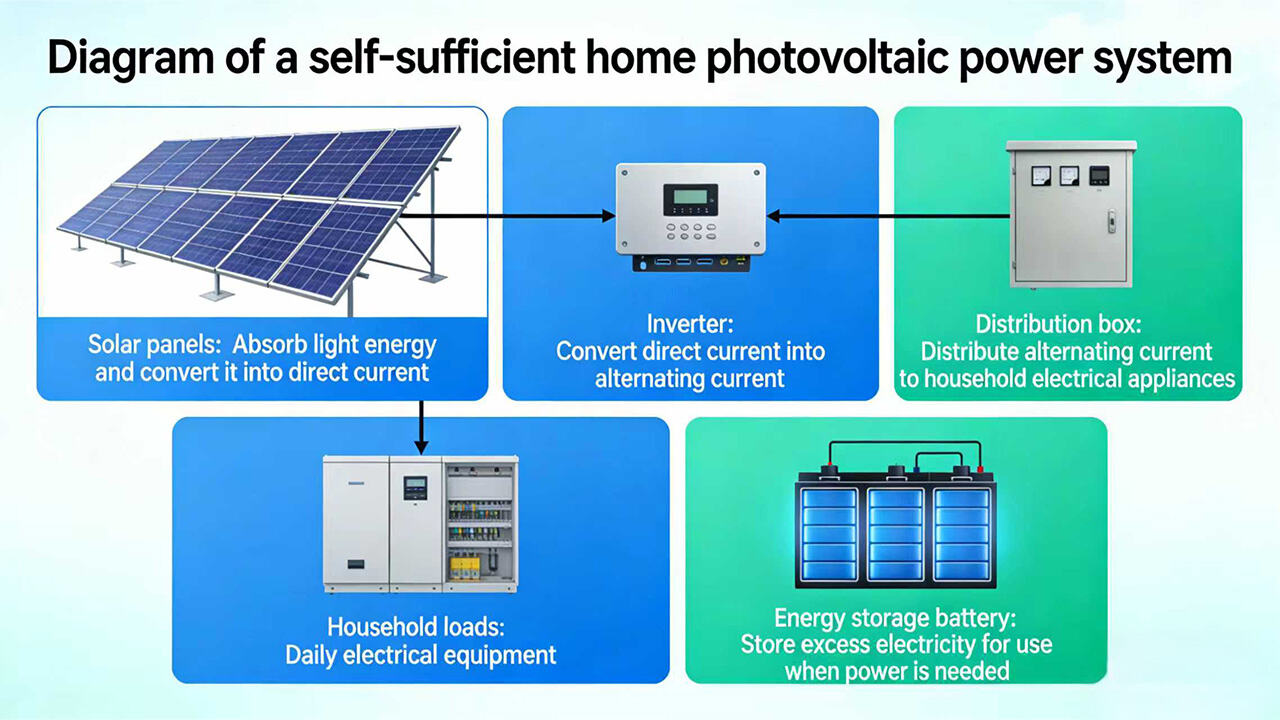
Solar panels alone just aren't enough for true all day energy independence. The sun stops shining at night, and production plummets when clouds hang around for days. But household energy needs don't take breaks. When there's no battery storage system installed, extra electricity gets sent back to the utility grid during daylight hours. Then comes evening time, and families find themselves completely reliant on traditional grid power again. This setup creates a real problem for anyone hoping to be self sufficient. Most homes can only achieve about 40 to 60 percent energy independence with solar panels, even if they install everything correctly with proper angles and positioning. The math simply doesn't add up without some kind of energy storage solution.
To close the gap between day and night power needs caused by changing weather conditions, we need more than just lithium ion batteries. Smart energy management systems are essential too. Today's technology brings together efficient storage solutions with artificial intelligence controllers that predict how much solar power will be generated and what households actually need at different times. These smart systems then move things like electric vehicle charging or water heater operation to daytime when sunlight is available. Take Germany for instance where these combined methods often hit over 90 percent yearly self sufficiency rates. The secret lies in constantly adjusting how electricity is produced, stored, and used throughout the day according to real time conditions.
Sizing and Optimizing Photovoltaic Systems for Maximum Self-Sufficiency
Matching photovoltaic array capacity to household energy demand, seasonal variation, and roof constraints
Getting the right size for solar panels requires looking at several factors together. First, we need to know how much electricity gets used throughout the whole year, then check out how sunlight changes across seasons, and finally consider what's physically possible on the roof itself. Most installers start by collecting a full year's worth of electricity bills to see what kind of usage pattern exists. But it's also important to think ahead about new appliances that might come along later, such as electric vehicles or heat pump systems. The difference between summer and winter performance matters a lot in places with four distinct seasons. For instance, solar panels in parts of Germany produce only about one fifth as much during winter months compared to peak summer days. That makes it necessary to plan for bigger systems than strict calculations suggest. When it comes to actual rooftop space, there are plenty of limitations to work around too. How much surface area is available? What about weight restrictions? Are there trees or nearby buildings casting shadows? And does the roof face south or something else? According to recent studies published last year, going for systems that cover 120 to 150 percent of yearly needs tends to work best in practice. These setups compensate for lower winter output while still avoiding problems caused by having panels that are simply too big for the available space.
Case insight: German net-zero home achieving 92% annual photovoltaic self-sufficiency through tilt, orientation, and oversizing strategy
A residential project near Frankfurt demonstrates how thoughtful design compensates for climatic limitations. Its 8.4 kW photovoltaic system achieves 92% annual self-sufficiency—producing 9,200 kWh against a total demand of 9,800 kWh—through three coordinated strategies:
- Precision tilt optimization: 35-degree south-facing panels maximize low-angle winter sun capture
- Dual-orientation layout: East-west arrays flatten the daily generation curve, boosting morning and afternoon output
- Controlled oversizing: A 40% capacity buffer ensures robust performance during extended cloudy periods
Crucially, summer surplus covered 78% of winter shortfalls—proving that intelligent photovoltaic design can significantly defer or reduce reliance on battery storage, especially where grid tariffs discourage large-scale export.
Enabling Continuous Supply: Energy Storage and Smart Photovoltaic Management
Lithium-ion and emerging storage technologies for overnight and cloudy-day photovoltaic resilience
Storage solutions help bridge that tricky time gap between when solar panels generate power and when people actually need it around the clock. Most homes still go with lithium-ion batteries because they work pretty well, getting over 95% efficiency when storing and releasing electricity. Prices have dropped too, down to about $139 per kilowatt hour last year according to industry reports. But there are other alternatives popping up these days. Flow batteries stick around longer than their lithium counterparts, sometimes lasting more than two decades while maintaining good performance even after many full charge/discharge cycles. They're great for situations where backup power needs to last several hours or more. Another interesting approach is thermal storage, which takes extra solar energy and turns it into heat instead. This can warm water for showers or heat rooms during colder months, all without needing additional electrical capacity from the grid.
According to research from 2023, houses that had properly sized and well-managed energy storage could stay self sufficient at around 80% efficiency even through five straight days of cloud cover. That kind of performance makes these systems about three times more resilient compared to homes without any storage at all. Finding the best storage option isn't really about going after those flashy spec numbers we see in marketing materials. Instead it comes down to pairing the right technology with what works for specific conditions. Things like how severe the local weather gets, how long power needs to last during outages, and whether the main goal is just cutting electricity bills during peak hours or running completely off grid matter much more than chasing the latest tech buzzwords.
Smart energy management systems: Forecasting, load shifting, and AI-driven photovoltaic self-consumption optimization
When it comes to managing energy smartly, photovoltaic systems aren't just sitting there generating power anymore. They've become these dynamic power networks that actually respond to what's happening around them. The controllers behind this tech use machine learning algorithms to look at past energy usage data, check current weather conditions, and monitor how much electricity the solar panels are producing right now. Based on all this information, they can shift when certain appliances run so they match up with times when the sun is shining strongest. This approach beats out old fashioned timers or rigid schedules hands down. Some studies show that homes using these smarter systems rely on the main electrical grid about 40% less than those sticking with traditional methods. That means homeowners save money and reduce their carbon footprint at the same time.
These systems bring more than just scheduling capabilities they actually boost operational smarts. Real time monitoring at the panel level catches performance issues before they lead to serious yield drops. Automated peak shaving helps cut down on those costly demand charges, while smart export controls keep stored energy available for when it matters most late evenings when prices are highest. According to the Sinovoltaics report from last year, when companies implement AI based optimizations, their self consumption rates jump over 90 percent without needing any extra solar panels installed. What this really does is transform energy storage from something sitting idle into an actual money maker that works hard during critical times.
Economic Viability of Photovoltaic Self-Sufficiency: Incentives, Costs, and Long-Term ROI
Going solar isn't just about saving the planet anymore—it actually makes good financial sense these days too. A complete home solar setup including panels, an inverter, and battery storage usually costs between fifteen thousand and thirty thousand dollars upfront. But wait! There are all sorts of government incentives that bring down what people actually pay out of pocket. The federal government's Investment Tax Credit gives folks back 30 percent right now until 2032. Combine that with various local rebates and many homeowners end up paying only about half of what they initially thought. Most find their money comes back within six to ten years after installation. And here's something interesting: once the initial cost is covered, those same solar systems keep producing free electricity for another twenty plus years. That means total savings over time often double what was originally spent on installation.
Consider a $20,000 system after ITC ($14,000 net): saving $1,500 annually in avoided utility bills yields over $30,000 in net gains after two decades—before accounting for rising electricity rates (averaging +3% yearly) or avoided outage-related costs. Key drivers of ROI include:
- Local electricity rates (higher rates accelerate payback)
- Solar resource quality (peak sun hours directly impact yield)
- Battery integration (adds 20–30% upfront cost but unlocks after-sunset savings and grid independence)
With photovoltaic equipment costs down 70% since 2010 and grid prices trending upward, self-sufficiency now delivers dual advantages: tangible financial resilience and measurable progress toward energy sovereignty.
FAQs
What is the difference between self-consumption and self-sufficiency in solar systems?
Self-consumption refers to the percentage of solar electricity produced that is used on-site, while self-sufficiency measures how much of a house's total energy needs are met by solar panels over a year, reflecting less reliance on the power grid.
Why is it important to have a battery storage system with photovoltaic panels?
Battery storage systems are crucial because solar panels alone can't provide energy 24/7. Batteries store excess energy produced during sunny times for use during the night or cloudy periods, enhancing self-sufficiency.
How does smart energy management contribute to photovoltaic self-sufficiency?
Smart energy management systems use AI to optimize when appliances are used, reducing reliance on the grid and increasing self-consumption efficiency by better aligning energy production with household needs.
Table of Contents
- Understanding Photovoltaic Self-Sufficiency: Beyond Net-Zero
- Sizing and Optimizing Photovoltaic Systems for Maximum Self-Sufficiency
- Enabling Continuous Supply: Energy Storage and Smart Photovoltaic Management
- Economic Viability of Photovoltaic Self-Sufficiency: Incentives, Costs, and Long-Term ROI
- FAQs