
 EN
EN



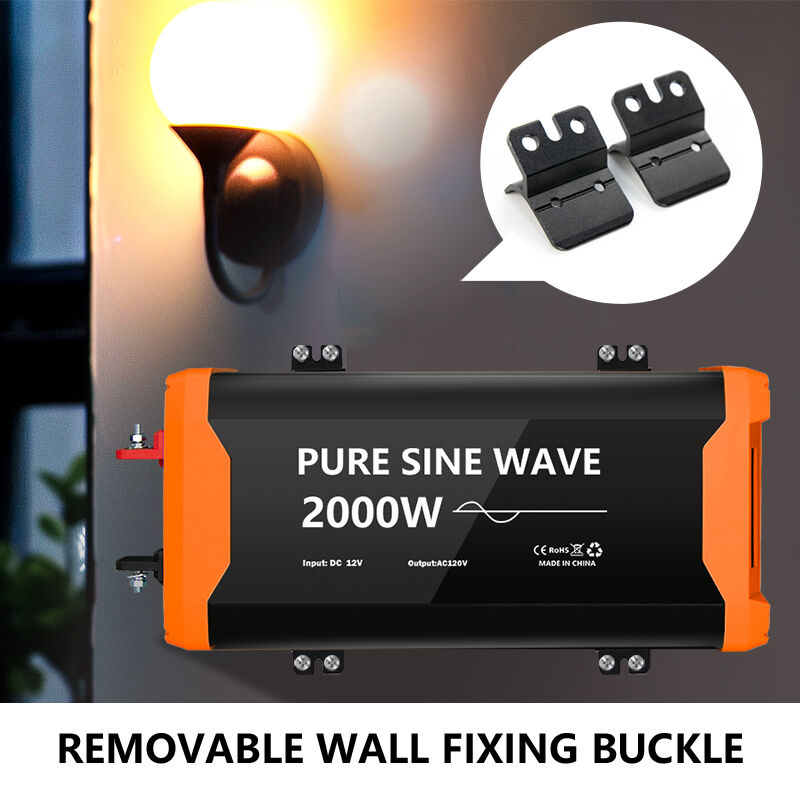
Why Pure Sine Wave Power Inverters Deliver Superior Compatibility and Safety
How waveform fidelity protects sensitive electronics and extends device lifespan
Pure sine wave inverters replicate the smooth, sinusoidal AC waveform of utility grid power—unlike modified sine wave inverters, which produce stepped, distorted approximations. This fidelity prevents harmonic distortion, a primary cause of overheating and premature failure in sensitive electronics. Medical devices, laptops, audio equipment, and variable-speed motors require stable voltage and frequency to operate safely and efficiently. Inconsistent or noisy power induces cumulative electrical stress on components, reducing energy efficiency by up to 15% and accelerating wear (U.S. Department of Energy, 2022). Pure sine wave output eliminates this stress, preserving performance and significantly extending equipment lifespan.
| Comparison Factor | Pure Sine Wave Inverter | Modified Sine Wave Inverter |
|---|---|---|
| Waveform Accuracy | Matches grid power perfectly | Stepped, distorted approximation |
| Device Compatibility | 100% (incl. sensitive electronics) | Limited (basic appliances only) |
| Energy Efficiency | >90% (optimal energy conversion) | 80–85% (losses from harmonics) |
| Device Damage Risk | Minimal (33% lower incidence) | Elevated due to electrical noise |
Pure vs. modified sine wave power inverters: performance, risk, and cost trade-offs
Modified sine wave inverters cost 30–50% less upfront but pose measurable risks to modern electronics—including CPAP machines, LED drivers, and microprocessor-based appliances. Their jagged waveform forces devices to draw irregular current, generating excess heat and electromagnetic interference that degrades internal components over time. Pure sine wave inverters maintain >90% conversion efficiency while eliminating audible buzzing in audio gear and flicker in sensitive lighting. Though priced higher initially, they prevent an estimated $740,000 in annual losses from avoidable device failures in field-deployed operations (Ponemon Institute, 2023). For mission-critical applications—especially medical, communication, or emergency systems—the reliability and safety benefits of pure sine wave technology far outweigh the incremental cost. Basic resistive loads like incandescent bulbs or simple power tools may tolerate modified sine waves briefly, but any electronic with switching power supplies, variable-speed controls, or precision timing requires true sine wave protection.
Selecting the Right Power Inverter for Automotive Use: Sizing, Integration, and Protection
Matching Wattage (150W–2000W) to Vehicle Type, Battery Voltage (12V/24V), and Load Profile
Accurate sizing starts with calculating the total continuous wattage of all devices used simultaneously—and adding a 20–30% buffer for startup surges. A 1000W inverter, for example, safely supports ~800W of sustained load, such as a compact refrigerator or cordless tool charger. Sedans and small SUVs with standard 12V batteries typically accommodate inverters up to 1000W; larger trucks, RVs, and commercial vehicles with 24V systems often require 2000W+ units to support high-demand loads like air compressors or induction cooktops. Crucially, match inverter capacity to your vehicle’s alternator output and battery reserve (Ah rating)—undersized charging systems lead to chronic undervolting and premature battery failure, while oversized inverters waste energy and strain wiring.
Essential Safety Features: Over-Voltage, Low-Battery Shutdown, and Thermal Protection
Robust safety integration is non-negotiable in automotive environments. Over-voltage protection disconnects loads instantly when input exceeds safe thresholds—typically >15.5V for 12V systems—preventing damage to connected electronics. Low-battery shutdown preserves cranking power by cutting output at ~10.5V (12V systems) or ~21V (24V systems), ensuring the vehicle can restart after use. Thermal protection triggers automatic shutdown above 60°C (140°F), mitigating the most common cause of inverter failure. When combined with short-circuit detection and fused DC inputs, these features reduce fire risk by 83% compared to unprotected units (Consumer Product Safety Commission, 2024).
Power Inverter Applications in Home and Fixed Installations: Backup, Solar, and Off-Grid Readiness
Scalable systems (2500W–6000W+) with battery storage, solar input, and grid-tie compatibility
Home and fixed-installation inverters scale from 2500W to 6000W+ to support diverse energy needs—from essential-load backup to full-home solar integration. These systems unify three core capabilities:
- Battery storage for seamless, uninterrupted power during outages
- Solar PV input compatibility, enabling direct DC-to-AC conversion from panels
- Grid-tie functionality, allowing automatic, zero-transfer-time switching between solar, battery, and utility sources
When properly configured, such hybrid systems cut grid dependence by up to 80% under optimal conditions and provide life-sustaining backup during extended blackouts. Modular designs let homeowners begin with critical circuits (refrigeration, medical devices, internet) and expand incrementally. Off-grid setups eliminate utility reliance entirely but demand larger battery banks and careful load management. Grid-tied systems with net metering can generate income by exporting surplus solar energy—subject to local utility policies. All configurations rely on built-in thermal monitoring and automatic transfer switches to ensure consistent safety and reliability.
Real-World Power Inverter Use Cases: From RVs to Emergency Preparedness
Pure sine wave power inverters serve as versatile, reliable power hubs across mobile and stationary scenarios. RV owners use them to run mini-refrigerators, induction cooktops, and LED lighting without generator noise or fuel dependency. Campers and remote workers depend on them to recharge drones, satellite phones, and CPAP machines—ensuring health continuity off-grid. During natural disasters or grid failures, these inverters deliver critical power for emergency radios, LED lighting, sump pumps, and life-support devices. Mobile businesses—from food trucks to artisan markets—leverage them to operate POS terminals, refrigerated displays, and blenders without access to shore power. This adaptability makes pure sine wave inverters foundational to both everyday mobility and resilient emergency planning.
FAQ Section
1. What is the main difference between pure sine wave and modified sine wave inverters?
Pure sine wave inverters produce a smooth, sinusoidal AC waveform identical to utility grid power, whereas modified sine wave inverters create a jagged, stepped approximation. This difference impacts efficiency, compatibility, and safety.
2. Are pure sine wave inverters necessary for all devices?
No, they are essential for sensitive electronics like medical equipment, laptops, and variable-speed motors. Basic resistive loads like incandescent bulbs may work with modified sine wave inverters.
3. How do I size the right inverter for automotive use?
Calculate the total wattage of devices used simultaneously, add a 20–30% buffer for startup surges, and ensure compatibility with your vehicle’s battery voltage and alternator output.
4. Can pure sine wave inverters be used for off-grid solar setups?
Yes, they are ideal for off-grid solar systems. They support battery storage, solar PV input, and grid-tie options, ensuring compatibility and efficiency.
5. Why are pure sine wave inverters more expensive?
They have superior waveform fidelity, higher efficiency, lower device damage risks, and greater compatibility with modern electronics, justifying the higher initial cost.
Table of Contents
- Why Pure Sine Wave Power Inverters Deliver Superior Compatibility and Safety
- Selecting the Right Power Inverter for Automotive Use: Sizing, Integration, and Protection
- Power Inverter Applications in Home and Fixed Installations: Backup, Solar, and Off-Grid Readiness
- Real-World Power Inverter Use Cases: From RVs to Emergency Preparedness
- FAQ Section